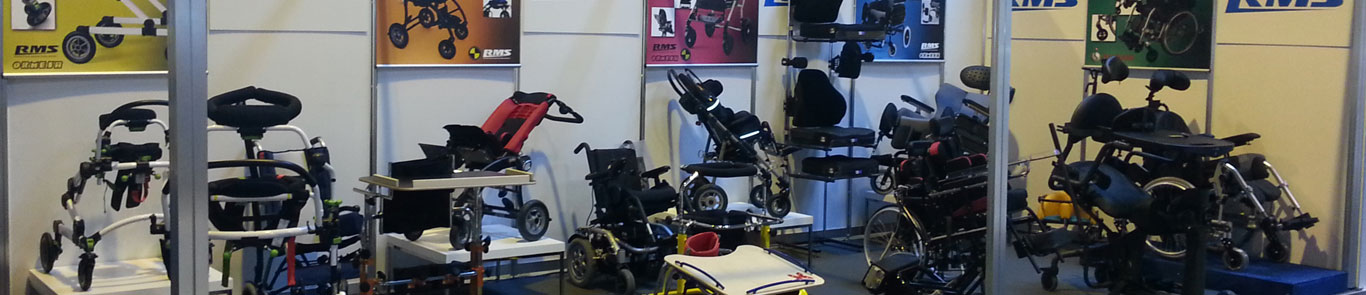
Naidex Birmingham 2027
23–24 March 2027 at the National Exhibition Centre (NEC), Birmingham, England. Naidex is the UK event focused on disability, accessibility and independent living. Its wider programme brings together specialist themes in children and young people, neuro-rehabilitation, care and dementia, and inclusive workplaces. More than a product display, it gives disabled people, families, professionals and suppliers a shared setting to explore practical solutions, exchange perspectives and consider what makes products and services useful in everyday life.
Naidex Birmingham at a glance
| Item | Information |
|---|
| Event | Naidex |
| Edition | 2027 |
| Type | Business event and exhibition |
| Category | Disability, accessibility, rehabilitation and independent living |
| Dates | 23–24 March 2027 |
| City and country | Birmingham, England |
| Venue | National Exhibition Centre (NEC) |
| Latest published scale | 3,736 attendees and 120 exhibitors, shown on the event’s Visitor Stats page; organiser-published figures associated with its 2026 materials |
| Current programme themes | Naidex, Naidex Junior, Business Without Barriers, Neuro Rehab, and Care & Dementia |
The event website currently lists 2027 dates and venue. The detailed schedule and visitor arrangements should be checked again before attending.
Why Naidex Birmingham matters
Explore practical solutions
Disability and independent-living needs span mobility, access, rehabilitation, communication and everyday activities. Naidex gives visitors a chance to see products in person, ask questions and compare approaches rather than relying only on catalogue descriptions.
Bring lived experience into product decisions
Disabled visitors and people with lived experience can assess whether a product is understandable, comfortable and relevant to the way they want to live. Families, carers and professionals can use those conversations to understand different requirements without assuming that one solution suits everyone.
Connect related areas of practice
The programme brings together accessibility, neuro-rehabilitation, dementia care, children’s needs and workplace inclusion. That mix can help practitioners and organisations notice where their work overlaps and identify topics to investigate further.
The organiser’s Visitor Stats page lists 3,736 attendees and 120 exhibitors. These are organiser-published figures associated with its 2026 materials, not independently audited totals.
Exhibition sectors and product groups at Naidex Birmingham
Use these product areas as a practical framework for planning what to compare. Check the 2027 exhibitor information as it is released for current brands and stands.
Mobility and wheelchair solutions
- Manual and powered wheelchair options
- Mobility scooters and walking aids
- Seating, positioning and supportive furniture
- Equipment for moving, handling and transfers
Accessible homes and adaptations
- Access and adaptation products
- Bathroom and kitchen accessibility
- Beds, chairs and household furniture
- Vehicle access and transport adaptations
Rehabilitation and daily living
- Rehabilitation equipment and independent-living aids
- Personal-care and daily-routine products
- Home-care equipment and support solutions
- Products intended to make everyday tasks easier
Assistive, communication and sensory technology
- Assistive technology and accessible digital tools
- Communication and telecare solutions
- Sensory products and support for children with additional needs
- Information, advice and specialist support
Inclusive participation, leisure and sport
- Adapted leisure and sports equipment
- Products that support participation in community activities
- Inclusive workplace practices and services
- Services and resources for disabled people and families
Who should visit Naidex Birmingham?
Disabled people and people with lived experience
Useful if you want to explore options directly and make your own assessment of how products or services fit your priorities.
- Compare mobility and daily-living equipment
- Ask suppliers about use, adjustment and support
- Explore accessibility ideas and community activities
- Identify products or questions to discuss with your support team
Families, carers and care providers
Useful if you help someone evaluate practical support, or are looking for products and services relevant to care and independent living.
- Compare equipment for daily routines and home use
- Discuss usability, maintenance and fitting requirements
- Explore care, dementia and family support themes
- Record questions to follow up with the relevant provider
Health, rehabilitation and accessibility professionals
Useful if you advise, assess, prescribe or deliver services involving disability, rehabilitation, access or inclusive practice.
- Review products and technologies relevant to your clients or service users
- Compare approaches and gather technical information
- Explore professional sessions and cross-disciplinary themes
- Identify questions for future practice, procurement or referral discussions
Suppliers, manufacturers and service organisations
Useful if your work relates to mobility, assistive technology, accessibility, rehabilitation, care or inclusion and you want to understand the needs represented at the event.
- Present products and services to a relevant community
- Listen to questions from users and practitioners
- Assess which product information visitors need to compare options
- Explore potential distribution or professional relationships without assuming a commercial outcome
Employers and workplace inclusion teams
Useful if you are reviewing accessibility or inclusion in the workplace. The Business Without Barriers strand is described as a summit and careers fair focused on inclusive workplaces.
- Review practical approaches to inclusive work environments
- Identify topics to discuss with colleagues and service providers
- Explore the relationship between accessibility, recruitment and participation
Why visit Naidex Birmingham?
- Compare products in context. Look closely at fit, adjustment, everyday use and the support a supplier provides.
- Test your assumptions. Ask disabled people and practitioners what matters in practice, rather than judging a product only by its specification.
- Find information across related fields. Use the specialist programme themes to explore rehabilitation, care, children’s needs and workplace inclusion.
- Evaluate mobility options. The current event site highlights a mobility test track; check the 2027 programme for its confirmed format and availability.
- Make professional learning purposeful. The event site describes a professional theatre with expert-led and CPD-accredited content; confirm the current session programme before planning around it.
- Identify next questions. Capture product details, service requirements and points that need a clinical, access or procurement review after the event.
Why exhibit at Naidex Birmingham?
Naidex may be relevant to companies and organisations working in disability, accessibility, independent living, mobility, rehabilitation, care and assistive technology. Its mix of disabled visitors, families, care professionals and business participants can help exhibitors hear different perspectives on product use and service needs.
- Explain how a product works and whom it is designed to support.
- Invite informed discussion about comfort, accessibility, fitting and day-to-day use.
- Understand the questions professionals and families ask before considering a solution.
- Show how a service fits alongside products, advice or care provision.
- Explore whether the event’s audience and themes match your participation objectives.
Before committing, clarify the intended use of each product, applicable safety and conformity requirements, stand arrangements and the support visitors may need to evaluate it. Product rules vary: not every item used by disabled people is a medical device.
What makes Naidex Birmingham distinctive?
Naidex connects product discovery with lived experience across several related specialist themes. The event website presents Naidex alongside Naidex Junior, Business Without Barriers, Neuro Rehab, and Care & Dementia. Its current programme highlights a professional theatre, mobility test track, Marketplace, Village Green, adaptive climbing wall and recruitment fair. These features give visitors more than one way to engage, but the 2027 schedule should be checked for confirmed activities.
What should you try to achieve at Naidex Birmingham?
“See what is new” is too broad to guide a useful visit. Set an outcome that matches your role.
If you are evaluating products for yourself
Compare three relevant options and write down what you need to test or ask next. Focus on practical fit, everyday use, adjustment and support.
If you support someone else
Leave with clear information about the options that merit a follow-up discussion. Keep the individual’s preferences at the centre of the decision.
If you are a professional
Identify products, evidence or session topics that could inform a specific service or practice question. Note what needs further clinical, technical or procurement review.
If you exhibit
Learn which user and professional questions recur around your offer. Use those conversations to refine product explanations and follow-up information.
How to prepare before Naidex Birmingham
1. Define your reason for attending
Choose a focus such as mobility, home access, communication, rehabilitation, care, inclusive employment or professional learning. Write down the decision or question you want to take forward.
2. Make a short comparison list
For each product or service, note the intended user, the situation it addresses, the features you need to compare and any constraints such as space, compatibility or support needs. The current 2027 exhibitor list and full timetable should be checked when available.
3. Prepare questions that reveal practical fit
- Who is this product designed for, and what use is it not designed for?
- How is it adjusted, fitted or configured for an individual?
- What training, maintenance or ongoing support is required?
- Which environments and daily tasks does it suit?
- What are the product dimensions, operating requirements and compatibility limits?
- What safety, conformity or regulatory information is available?
- Can the product be tried or demonstrated at the event, and under what conditions?
- What information should be shared with a clinician, care team or procurement lead?
4. Check the current event information
Confirm visitor registration, access arrangements, opening hours and programme details through the organiser’s website before travelling. The event site currently invites visitors to pre-register or register interest for 2027.
How to make the most of Naidex Birmingham
Use a simple note for each useful conversation: Product or service → intended user → what it may help with → evidence or demonstration → question to resolve → next action. Keep separate notes for personal decisions, professional evaluation and commercial follow-up. Ask before photographing people or products, and seek consent before sharing personal or health information.
For a product demonstration, record what you observed and what you still need to verify. A short follow-up list is more useful than collecting brochures without a decision in mind.
Beyond the exhibition floor at Naidex Birmingham
The current event website highlights a professional theatre with expert-led sessions and CPD-accredited content, as well as a mobility test track and community activities. The site also lists the Village Green, Marketplace, adaptive climbing wall and recruitment fair. Treat these as programme leads, not a guarantee that each feature or session will run in the same form; check the organiser’s 2027 schedule before selecting sessions or arranging your day.
Networking at Naidex Birmingham
Introduce yourself by explaining the role you play, the person or service you support, and the question you are trying to answer. If you are discussing a product, be specific about the use case, environment and requirements. If you are a supplier, make space for questions about limitations, maintenance and support as well as product benefits. Agree a clear next step—such as sending a specification or arranging a later discussion—before moving on.
Naidex Birmingham visitor profile and business opportunities
| Visitor profile | Areas to explore |
|---|
| Disabled people and people with lived experience | Mobility, accessibility, daily-living products and practical product comparisons |
| Families and carers | Home use, care solutions, support information and products for children or young people |
| Health and rehabilitation professionals | Assistive technology, rehabilitation products and professional learning |
| Care providers | Care, dementia support, equipment and services relevant to independent living |
| Accessibility and inclusion teams | Accessible environments, workplace inclusion and relevant services |
| Suppliers and manufacturers | User questions, product fit, professional perspectives and possible distribution discussions |
One day or both days at Naidex Birmingham?
Naidex is scheduled across two days. One day may be enough if you have a narrow focus and a short list of products or sessions to explore. Using both days may suit visitors who want to compare several areas, attend professional content and leave time for follow-up conversations. Check the 2027 timetable and access information before deciding how to structure your visit.
After Naidex Birmingham: where the value starts
Sort your notes into three groups: A — follow up now for a product, service or professional contact tied to an immediate need; B — assess further for an option that needs technical, clinical, access or budget review; and C — keep for reference for broader information or future planning. Request the specifications, fitting details, safety information or support terms needed for the next decision. Discuss personal equipment choices with the relevant professionals where appropriate.
Naidex Birmingham visitor checklist
Before
- ☐ Choose your focus and write down the question you need answered.
- ☐ Check registration, accessibility arrangements, opening hours and the latest programme.
- ☐ Prepare a short list of products, services or sessions to prioritise.
During
- ☐ Compare options against your actual needs and constraints.
- ☐ Record product details, limitations, support requirements and next actions.
- ☐ Ask before taking photographs or sharing personal information.
After
- ☐ Review notes and separate immediate follow-up from further assessment.
- ☐ Share relevant specifications with the people involved in the decision.
- ☐ Follow up with contacts while the discussion is still clear.
Is Naidex Birmingham worth visiting?
Naidex is most useful for disabled people, families, care networks, health and rehabilitation professionals, accessibility teams and suppliers who have a concrete question to explore. Its mix of product discovery, specialist themes and lived experience can support informed comparison and learning. The benefit depends on preparing around real needs, checking the current programme and following up; simply walking the floor is less likely to produce clear decisions.
Make your Naidex Birmingham visit purposeful
What do you want to understand, compare or decide—and what information will help you take the next step? Explore with a question in mind, listen to different perspectives and follow up on the options that fit.
Discover. Compare. Listen. Decide. Follow up.
Disability and assistive technology opportunities in the United Kingdom
Market context
The Department for Work and Pensions’ Family Resources Survey reports that one in four people in the UK were disabled in financial year 2024 to 2025. This is a population indicator, not a measure of spending on disability products or proof of demand for any particular solution. It provides context for an event focused on accessibility and independent living, while product-level demand needs to be assessed separately.
Product fit and market-entry checks
Naidex participants may use the event to compare mobility, rehabilitation, accessibility and daily-living solutions and to understand questions raised by users and professionals. Companies considering the UK market should check the intended use and product-specific requirements before making claims or planning distribution.
MHRA guidance explains that assistive technology may or may not be a medical device; classification depends on factors including the manufacturer’s stated purpose and the product’s intended use. Where a product is a medical device, Great Britain’s UK Medical Devices Regulations 2002 apply and appropriate conformity marking is required. Different rules apply in Northern Ireland. This makes product classification and regulatory advice important parts of market assessment.
What this means for exhibitors
Suppliers may find it useful to test whether their product information clearly explains intended users, use conditions, adjustment, maintenance and relevant conformity status. Participation can inform those conversations, but does not guarantee buyers, distribution or sales.
What this means for visitors
Visitors can compare options against their needs and ask how a supplier defines intended use, support and applicable regulation. The broad disability-prevalence figure does not identify which products will suit an individual; product decisions should be based on the person’s requirements and appropriate professional advice.
Explore Event Opportunities
Use Naidex Birmingham to explore accessibility and independent-living solutions, learn from different perspectives and plan a purposeful visit or participation with ilikevents.
Get Expert Assistance from ilikevents to plan your visit or exhibition participation.
See the ilikevents services for this event
For further information, please click
here .