Pure London Birmingham at a glance
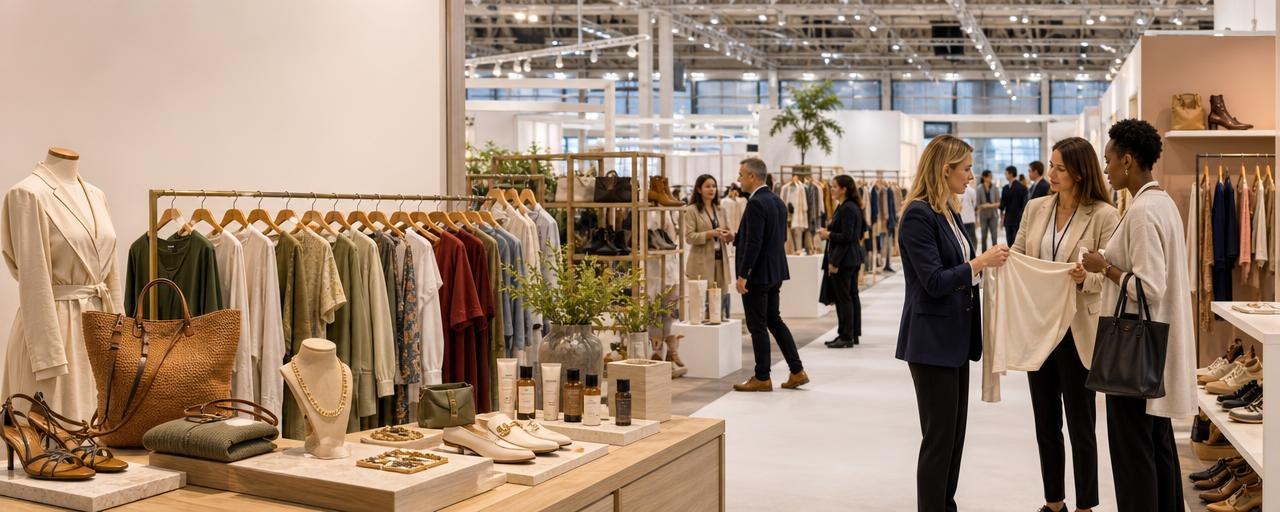
Pure London continues at Spring Fair as part of The Fashion Edit, a fashion sourcing destination for retailers and brands. The programme combines product discovery with buyer-focused trade activity and fashion content.
| Item | Information |
|---|
| Event | Pure London at Spring Fair |
| Format | Fashion trade fair and retail sourcing event |
| Dates | 7–10 February 2027 |
| Venue | National Exhibition Centre (NEC), Birmingham |
| Organiser | Hyve Group |
| Main sectors | Womenswear, jewellery and watches, footwear, fashion accessories, beauty and wellbeing, conscious fashion |
| Audience | Fashion buyers, independent retailers, larger retail buying teams and fashion brands |
| Published fashion figures | The official 2027 Fashion Edit page lists 240+ fashion brands and says 7,000+ fashion buyers attend Spring Fair; organiser-published figures |
| Opening hours | 7–9 February: 09:00–18:00; 10 February: 09:00–16:00 |
The current edition is presented as Pure London at Spring Fair, while Spring Fair describes its fashion destination as The Fashion Edit. The 2027 edition is scheduled at the NEC in Birmingham.
Why Pure London matters to fashion retail
Build a relevant collection
Retail buyers can consider clothing, shoes, jewellery, watches, accessories and beauty together rather than treating each product area as an isolated decision. That makes it possible to assess how a new label or category could fit the customer mix and price architecture of a store or online assortment.
Compare products in person
Seeing and handling collections gives buyers a chance to compare materials, finish, styling and presentation directly with brand representatives. Use the visit to test how a product looks alongside the ranges already sold, and to ask about the commercial details that matter to your business.
Explore current retail thinking
The Fashion Edit page describes a stronger Style Studio programme for 2027, including styling masterclasses and workshops. The 2026 programme included trend forecasting, styling masterclasses and live fashion experiences. These are previous-edition examples; check the current agenda before planning around a particular session.
The organiser-published 2027 page lists more than 240 fashion brands and over 7,000 fashion buyers attending Spring Fair. In 2026, 52 hosted buyers from 26 independent fashion retailers joined the fashion programme. These figures describe the sourcing environment and programme participation; they do not guarantee access to a particular buyer or a commercial result.
Fashion sectors and product groups at Pure London Birmingham
Womenswear
Explore apparel collections across the womenswear category. Buyers may compare:
- Everyday and occasion clothing
- Outerwear and layering pieces
- Knitwear and jersey garments
- Tailored and coordinated looks
- Seasonal collection direction and styling
Footwear
Use the footwear displays to assess how shoes could complement apparel and accessory ranges. Consider:
- Footwear design and finish
- Materials and construction details
- Styles suited to the retailer’s customer profile
- Coordination with seasonal clothing collections
- Range breadth and merchandising presentation
Jewellery and watches
This category supports retailers building a wider fashion offer or adding complementary products. Compare:
- Jewellery styles and material presentation
- Watches and related accessories
- Everyday and occasion-led designs
- Display and packaging approaches
- How pieces coordinate with apparel and accessories
Fashion accessories
Accessories can complete a collection and create additional options for buyers planning cross-category edits. Look at:
- Bags and small leather goods
- Scarves and fashion add-ons
- Belts and other styling accessories
- Complementary products for apparel and footwear
- Ways to build a cohesive product story
Beauty and wellbeing
The official event description includes beauty among the fashion destination’s categories. Retail buyers can assess:
- Beauty and personal-care ranges
- Wellbeing-related products shown within the category
- Packaging and shelf presentation
- Potential complements to fashion and lifestyle assortments
- How products fit the retailer’s customer and merchandising plan
Conscious fashion
The 2027 Fashion Edit identifies a Conscious Fashion Edit for sustainable and ethical brands. Buyers may use this destination to:
- Explore brands positioned around conscious fashion
- Ask how materials and product durability are addressed
- Compare collection claims and supporting product information
- Consider repair, reuse or longer-use approaches in assortment planning
- Identify questions to verify before placing an order
Who should visit Pure London Birmingham?
Independent boutiques and fashion retailers
Useful if you are refreshing a focused assortment, looking for distinctive labels or evaluating whether an adjacent category could work for your customers. Prioritise brands that fit your store’s price range, visual identity and expected delivery requirements.
Department-store, multi-store and online buying teams
Useful if you compare a wider mix of brands and categories or need to coordinate product choices across buying, merchandising and e-commerce. The combined fashion, gift, home and lifestyle context can help teams consider a broader retail offer, while the fashion destination provides a concentrated place to assess clothing and accessories.
Fashion brands and designers
Useful if you are developing retail stockists, presenting a collection or seeking conversations with buyers who source across multiple retail categories. Prepare a concise brand introduction, collection information and a clear explanation of the customer and retail position your products serve.
Relevant job roles include fashion buyers, buying directors, merchandisers, retail founders, category managers, e-commerce buyers and brand sales teams.
Why visit Pure London Birmingham?
- Refresh a category: compare new womenswear, footwear or accessories with the ranges already in your assortment.
- Find complementary products: assess jewellery, watches and beauty as additions to a fashion offer.
- Evaluate brands in person: inspect product quality, styling and presentation before deciding which suppliers merit follow-up.
- Explore conscious fashion: identify brands and product questions relevant to more durable or responsible retail choices.
- Learn from the programme: check the Style Studio agenda for relevant styling, trend and workshop sessions.
- Plan next steps: record product, supplier, commercial terms to request and the action needed after each useful conversation.
Why exhibit at Pure London Birmingham?
The fashion destination is intended for brands presenting womenswear, footwear, jewellery, watches, accessories, beauty and conscious-fashion ranges. It can suit companies seeking conversations with independent boutiques as well as larger retail buying teams. The official page also positions the event within a wider Spring Fair audience that sources across fashion, gift, home and lifestyle.
Exhibiting may help a brand present a collection face to face, introduce new products, assess buyer questions and explore potential retail stockists. The organiser’s 2026 account of 52 hosted buyers from 26 independent fashion retailers is evidence of a targeted buyer programme in that edition, not a promise of meetings or orders in 2027.
Before committing, clarify stand options, participation costs, product and sample logistics, staffing, lead capture and the retail terms you can offer. For international market entry, check applicable product labelling and import requirements for your specific goods and business model. Exhibitors can ask ilikevents for help assessing participation planning and organiser coordination.
How to prepare before Pure London Birmingham
1. Define the buying decision
Choose the categories you need to review and write down the gap you are trying to fill: a new label, a price point, a footwear offer, accessories to complete a range, or a conscious-fashion option. Set a realistic target, such as shortlisting a small number of suppliers for follow-up.
2. Build a category-led shortlist
Use the official exhibitor information and event agenda as they become available. Sort priorities into must-see, useful and explore-if-time-allows groups. Include adjacent categories only where they support a clear retail objective.
3. Prepare supplier questions
- Which products and price points are included in the collection?
- What materials, construction or care details should a buyer understand?
- What are the minimum order, delivery window and replenishment options?
- Which product information, images and samples are available for retail teams?
- For conscious-fashion claims, what evidence or product details can the brand provide?
- Which products are best suited to the retailer’s customer and sales channels?
4. Coordinate your team
Agree which categories each colleague will review and how you will compare notes. For multi-store and online retailers, include buying, merchandising and relevant digital teams in the evaluation where practical. If you need help with visit planning or registration, ilikevents can assist with the preparation process.
How to make the most of the fashion floor
Do not collect catalogues without recording why a product matters. For each promising conversation, note Brand → Category → Product → Customer fit → Commercial questions → Next action. Take time to compare similar products on construction, materials, presentation and the information available for your buying decision.
Fashion collections are easier to assess against a defined assortment plan than in isolation. Keep a clear record of products that require a second review, terms that need confirmation and contacts who should receive a follow-up. Check the official agenda for any 2027 Style Studio sessions relevant to your objectives, since the programme can change.
Beyond the exhibition floor
The 2026 fashion programme featured trend forecasting, styling masterclasses and live fashion experiences, including sessions with fashion commentator Caryn Franklin, stylist Rebekah Roy and retail buying director Gill McCulloch. These are examples from the previous edition, not a confirmed list for 2027. The organiser describes a stronger Style Studio programme for 2027, including styling masterclasses and workshops; review the current agenda for confirmed details.
Pure London Birmingham visitor profile and business opportunities
| Visitor profile | Potential focus |
|---|
| Independent boutique buyers | Distinctive apparel, footwear and accessories suited to a focused store assortment |
| Department-store buying teams | Range breadth, brand positioning and coordination across fashion categories |
| Multi-store retailers | Collections that can be evaluated for customer fit and a broader retail offer |
| Online fashion retailers | Brands and products that fit their digital assortment and product-information needs |
| Jewellery and watch buyers | Complementary ranges and category presentation |
| Beauty and wellbeing buyers | Products that fit a fashion or lifestyle retail context |
| Fashion brands | Potential retail stockists and feedback on collection positioning |
These are practical ways to use the documented sectors and audiences; they do not imply that a particular buyer, supplier or business outcome is guaranteed.
Travelling to Pure London Birmingham
The 2027 event information places Pure London at the National Exhibition Centre (NEC), Birmingham, postcode B40 1NT. Confirm venue access and travel arrangements using the organiser’s current visitor information before departure. The public visitor schedule is 09:00–18:00 on 7, 8 and 9 February, and 09:00–16:00 on 10 February.
Retail buyers are invited to register through the Spring Fair visitor route, which advertises free tickets for eligible retail buyers and industry visitors. Check the organiser’s current registration terms and eligibility before making plans.
Plan your time at Pure London Birmingham
A single day can work if you arrive with a short, prioritised category list and focus on the suppliers most relevant to your buying decisions. More time may help a team compare several categories, revisit shortlisted brands and fit relevant Style Studio sessions around product sourcing. The event runs over four days, but the right visit length depends on your categories, team size and appointment plan.
Before you leave
- Confirm your registration, current opening hours and any appointments.
- Check which fashion sectors and sessions matter most to your objectives.
- Prepare product and supplier questions, including delivery and order terms.
During the visit
- Record useful brand and product details in a consistent format.
- Compare collections against your customer, channel and assortment needs.
- Keep time for planned sessions as well as priority supplier conversations.
After the visit
- Group contacts by immediate, potential and research follow-up.
- Request the specifications, terms or product information needed for a decision.
- Agree owners and dates for next steps with your buying or sales team.
After Pure London Birmingham: turn conversations into decisions
Within a few days, review notes while product details and conversations are still clear. Separate suppliers that meet an immediate buying need from those requiring more information and those worth monitoring for market intelligence. For each potential order, confirm specifications, delivery timing, minimums, pricing and any product claims relevant to your business before making a commitment.
Brands can organise follow-up by buyer fit and the products discussed, then send only the collection information relevant to each conversation. A specific next step is more useful than a general post-show message.
Is Pure London Birmingham worth visiting?
Pure London at Spring Fair is most useful for fashion retailers and brands with a defined sourcing, collection-development or stockist objective. The combination of apparel, footwear, jewellery, watches, accessories, beauty and conscious fashion can support cross-category evaluation, while the Style Studio programme adds a learning dimension. The value of the visit depends on preparation: prioritise categories, compare products deliberately and leave with clear supplier follow-up actions.
Closing thought
What do you want your next fashion collection to do for your customers that your current assortment does not? Discover. Compare. Meet. Decide. Follow up.
Fashion and textiles opportunities in the United Kingdom
Market size and demand
WRAP reports that the UK bought 1.42 million tonnes of textiles in 2022. This is a broad clothing-and-home-textiles consumption indicator, not a measure of the fashion market’s monetary value. It shows the scale of textile purchasing, while WRAP’s 2024 report also highlights pressure on reuse and recycling systems: its research found that 49% of used textiles were put into general rubbish.
Market drivers and possible areas to explore
WRAP identifies clothing durability, reuse and stronger textile recycling as important issues for the UK sector. In that context, fashion brands and retailers could use Pure London’s Conscious Fashion Edit to explore products and business approaches associated with conscious fashion. Potential areas to investigate include durable product design, resale and reuse models, repair-related propositions, and partnerships connected with textile collection or recycling. The evidence describes sector challenges and priorities; it does not demonstrate demand for a particular product or guarantee commercial viability.
Market-entry considerations
Companies selling textile goods in the UK should check current product-labelling and import requirements for the specific products and trading arrangement. Requirements and costs can depend on product classification and the business’s role in placing goods on the market, so confirm them with the relevant official guidance before agreeing supply terms.
What this may mean for exhibitors
Brands with durable or consciously positioned collections may find it useful to explain product materials, care, lifespan and substantiation clearly to prospective retail buyers. They should also assess the commercial case, compliance requirements and supplier capability independently.
What this may mean for visitors
Retail buyers can use the event to compare the documented conscious-fashion offer and ask brands for specific product information. WRAP’s broad textile-consumption figure provides context for the scale of purchasing, while its waste findings underline why durability and circularity may be relevant questions in assortment planning.
Explore Event Opportunities
Explore how Pure London Birmingham may support your fashion sourcing or exhibition-participation goals, and plan the conversations and decisions that matter to your business with ilikevents.
Get Expert Assistance from ilikevents to plan your visit or exhibition participation.
See the ilikevents services for this event
For further information, please click
here .