Manufacturing World Tokyo 2027
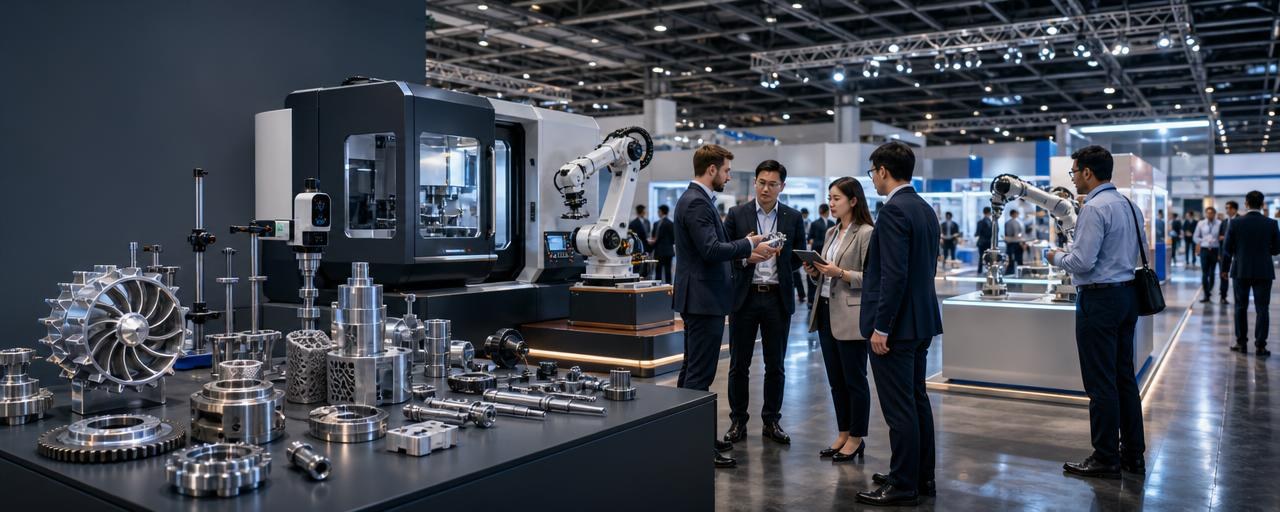
Manufacturing World Tokyo 2027 is scheduled for 16–18 June 2027 at Tokyo Big Sight, Tokyo, Japan. Organised by RX Japan GK, it brings together 12 specialised shows spanning manufacturing IT and digital transformation, mechanical components, factory facilities and equipment, machinery, additive manufacturing, measurement and sensors, industrial ODM/EMS, medical-device development, manufacturing cyber security, smart maintenance and physical AI. For manufacturers and technical teams, the value lies in comparing connected parts of the production environment—not only machines, but also the components, data, measurement and maintenance systems that support them.
Manufacturing World Tokyo at a glance
| Item | Information |
|---|
| Event | Manufacturing World Tokyo 2027 |
| Edition | 2027 Tokyo edition |
| Type | Business trade exhibition |
| Dates | 16–18 June 2027 |
| City and country | Tokyo, Japan |
| Venue | Tokyo Big Sight |
| Organiser | RX Japan GK |
| Format | 12 specialised shows |
| Main sectors | Manufacturing IT and DX; components; machinery and factory equipment; additive manufacturing; measurement and sensors; ODM/EMS; medical-device development; cyber security; smart maintenance; physical AI |
| Core audiences | Design and development, manufacturing, production engineering, purchasing and information-systems professionals |
| 2027 scale information | The organiser lists 2,000 exhibitors and 70,000 visitors. The exhibitor figure is a forecast and may change. |
The dates, venue and show structure are confirmed on the organiser’s current Tokyo edition pages. Detailed visitor-registration information and the full conference schedule are released separately as they become available.
Why Manufacturing World Tokyo matters
Compare connected manufacturing technologies
A manufacturing upgrade rarely involves one isolated purchase. A production team may need to assess equipment alongside components, measurement systems, software, maintenance and the skills required to operate them. The 12-show structure gives visitors a way to explore several parts of that decision in one professional setting.
Connect engineering priorities with procurement
Design and development teams can look for technologies that support shorter development cycles, while production engineers and manufacturing managers can compare equipment and process options. Purchasing professionals can bring supplier evaluation into the same discussion, and information-systems teams can examine the digital and cyber-security dimensions of factory change.
Use seminars to broaden the technical view
The organiser describes seminars on innovations and case studies as part of the show. Check the detailed 2027 programme when it is published; previous conference materials do not establish which sessions will return.
Understand the published scale carefully
- 2,000 exhibitors: an organiser forecast for 2027. The count includes co-exhibitors, group companies and association members and may differ from the final total.
- 70,000 visitors: a forward-looking figure listed on the official 2027 Tokyo page, not a completed-edition result.
The breadth and announced scale make advance prioritisation valuable: decide which technical questions matter most before trying to cover every show area.
Exhibition sectors and product groups at Manufacturing World Tokyo
Design and manufacturing solutions
This area is relevant to teams translating product concepts into manufacturable designs and repeatable production methods.
- Computer-aided design and engineering tools
- Computer-aided manufacturing and production-planning systems
- Product lifecycle and engineering-data management
- Design, prototyping and manufacturing-process support
Mechanical components and technology
Component and engineering suppliers serve manufacturers evaluating how individual parts fit equipment, assemblies and operating requirements.
- Precision mechanical components and motion-related parts
- Fasteners, fittings and machine elements
- Materials and technologies used in industrial assemblies
- Engineering solutions for component selection and integration
Factory facilities, equipment and automation
Factory teams can compare equipment and supporting technologies involved in production operations.
- Factory machinery and production equipment
- Automation and equipment-control solutions
- Facility systems and production-line support equipment
- Industrial technologies for improving process reliability
Additive manufacturing
The dedicated show gives product developers and production teams a place to examine additive-manufacturing options and their fit with specific applications.
- Industrial 3D-printing systems
- Additive-manufacturing materials
- Design and production workflows for printed parts
- Post-processing and inspection considerations
Measurement, testing and sensors
Measurement technologies matter where production quality, process control and reliable product performance must be evaluated.
- Measurement and inspection instruments
- Testing equipment and analysis systems
- Sensors for production and equipment monitoring
- Measurement technologies for quality-control workflows
Manufacturing DX, IT and cyber security
Digital transformation and cyber security connect production technology with factory data, systems and operational resilience.
- Manufacturing software and digital-transformation tools
- Factory data, communications and system integration
- Manufacturing cyber-security technologies
- Digital tools supporting production visibility and decision-making
Specialised and emerging manufacturing fields
The 2027 Tokyo programme also names industrial ODM/EMS, medical-device development, smart maintenance and Manufacturing × Physical AI among its specialised shows.
- Industrial original design and electronics manufacturing services
- Technologies for medical-device development
- Maintenance and asset-care solutions
- Physical AI applications for manufacturing environments
Who should visit Manufacturing World Tokyo?
Manufacturers and factory operators
Useful if you are looking to:
- Compare machinery, facility equipment or automation options for a defined production need
- Identify component and technology suppliers relevant to an existing product or process
- Review digital tools that may support production workflows
- Evaluate smart-maintenance or cyber-security solutions alongside operational requirements
- Prepare an upgrade shortlist for engineering and purchasing review
The organiser identifies manufacturing professionals as a central visitor group. Bring process requirements, operating constraints and the people who will assess implementation.
Design, development and engineering teams
Useful if you are looking to:
- Compare design-to-manufacture tools and development workflows
- Explore mechanical components and production technologies for a new or revised product
- Assess additive manufacturing for prototyping or production applications
- Discuss measurement and testing needs early in a development cycle
- Understand how suppliers support integration and technical evaluation
Design and development professionals are among the organiser’s stated visitor groups. Make each conversation specific to a design decision, material, tolerance or production route.
Production engineering and technical operations
Useful if you are looking to:
- Compare equipment and process-control options
- Review sensors, testing and inspection technologies for quality workflows
- Explore maintenance solutions against downtime and asset-care priorities
- Assess the relationship between machinery, software and factory data
- Gather technical information for a plant or line-upgrade proposal
Production engineering is explicitly part of the visitor profile. Coordinate with operations and purchasing so technical fit and procurement criteria are considered together.
Purchasing and information-systems professionals
Useful if you are looking to:
- Build a comparable supplier shortlist for a defined category
- Understand technical, service and integration requirements before procurement
- Review manufacturing software and digital-transformation solutions
- Consider cyber-security implications when evaluating connected systems
- Bring engineering, operations and IT requirements into one evaluation
The organiser names purchasing and information-systems departments among its manufacturing-sector visitors. Arrive with agreed requirements and a clear process for recording follow-up actions.
Why visit Manufacturing World Tokyo?
- Shortlist suppliers against a real project. Define the equipment, component or technology requirement, then compare suppliers on fit, specifications and support.
- Assess a production upgrade from several angles. Consider machinery together with controls, sensors, software, maintenance and workforce needs.
- Evaluate design-to-production options. Explore how design tools, components and additive manufacturing might fit a development or production workflow.
- Investigate measurement and quality technologies. Bring the process or inspection question that will determine whether a system is relevant.
- Connect digital and physical systems. Use the manufacturing DX, IT and cyber-security areas to consider data, integration and operational requirements.
- Build a focused learning plan. Review seminar details when available and choose sessions that support a specific engineering or management decision.
- Prepare an internal recommendation. Capture technical documentation, service conditions and unresolved questions so colleagues can compare alternatives after the show.
Why exhibit at Manufacturing World Tokyo?
The Tokyo show’s specialised areas are relevant to manufacturers and technology suppliers serving production, design, facility, measurement, digital and maintenance needs. The organiser lists a 2027 exhibitor forecast of 2,000, including co-exhibitors, group companies and association members; it notes that the figure may differ from the final count.
Potential reasons to exhibit include presenting machinery or components to a manufacturing-focused audience, explaining how a technology fits a workflow, discussing technical requirements with prospective users, and exploring distributor or integration relationships. These are opportunities to investigate, not guaranteed outcomes.
- Choose the specialised show that best matches your products and target users.
- Prepare a concise technical explanation, application examples and specification material.
- Clarify installation, compatibility, training, maintenance and spare-parts arrangements.
- Set measurable objectives for qualified conversations, product feedback or partner research.
For international suppliers, market-entry planning should include a realistic route to local customer support. Japan’s industrial-machinery market guide identifies knowledgeable local agents or distributors with after-sales networks, or a local office, as possible approaches; the right choice depends on the company and product.
What makes Manufacturing World Tokyo different?
Its defining feature is the breadth of manufacturing technologies organised into specialised show areas. The 2027 Tokyo programme lists 12 shows, from design and mechanical components through factory equipment, additive manufacturing, measurement, manufacturing DX, ODM/EMS, cyber security, smart maintenance, medical-device development and physical AI.
This structure can help visitors move between engineering, production and digital priorities without treating them as separate business problems. The show also includes seminars on innovations and case studies, although specific 2027 sessions should be confirmed when the programme is released.
What should you try to achieve at Manufacturing World Tokyo?
For manufacturers and factory operators
Identify a shortlist of suppliers for one production bottleneck or upgrade requirement. Record operating conditions, system interfaces and service questions for each option.
For design and development teams
Find technologies or components worth evaluating for one product-development challenge. Compare technical fit, prototyping routes and information needed for an engineering review.
For production engineers
Document the measurement, automation or maintenance capabilities needed for a specific process. Separate confirmed specifications from questions requiring a demonstration or site assessment.
For purchasing and information-systems teams
Create a comparable supplier and integration checklist. Include lifecycle support, data handling, cyber-security requirements, operating costs and compatibility with existing systems.
A useful visit produces decisions, technical questions and a prioritised follow-up list—not just a collection of brochures.
How to prepare before Manufacturing World Tokyo
1. Define the manufacturing problem
Write down the process, product or facility issue you are trying to solve. State the required output, operating conditions, existing equipment and constraints that matter most.
2. Choose the relevant show areas
Use the 12 specialised-show descriptions to focus your visit. Pick the areas most closely connected to your project, then leave time for adjacent technologies that affect integration, quality or maintenance.
3. Build a target-company list
Check the current exhibitor directory and floor information when the organiser releases them. Previous directories can help you understand the format but should not be treated as the 2027 exhibitor list.
4. Prioritise conversations
- A — Must meet: suppliers directly relevant to your defined requirement.
- B — Useful to meet: alternatives, component suppliers or integration partners.
- C — Explore if time allows: emerging technologies or adjacent show areas.
5. Prepare technical questions
- Which operating conditions and production volumes is the solution designed for?
- What interfaces, utilities or upstream and downstream equipment does it require?
- Which materials, tolerances or process limits should be checked?
- How are measurement accuracy, test methods and quality records specified?
- What software, data formats and system connections are supported?
- What training, maintenance and spare-parts arrangements are available?
- How does the supplier address cyber security and system updates?
- What technical documents can be provided for evaluation?
Visitor registration is required and free. The organiser’s 2027 visitor page currently says registration information is coming soon, so check the official page before making final plans.
How to make the most of Manufacturing World Tokyo
Use one record for every meaningful supplier conversation:
Company → Product or system → Why it fits → Evidence received → Open question → Next action
For example, a production engineer comparing inspection equipment might note the process measured, stated measurement range, integration requirements, documentation received and next technical question. Keep vendor claims separate from independently tested performance and request specifications that can be checked against your own requirements.
Use the floor plan and current exhibitor directory when published. With 12 specialised shows and a large announced scale, walking without priorities can make it harder to spend enough time on technical discussions.
Seminars and programme at Manufacturing World Tokyo
The organiser describes seminars on innovations and case studies as part of the show. A detailed 2027 schedule was not available on the reviewed pages. When the programme is published, compare its topics with the decisions you need to make and reserve time for sessions that add evidence or context to supplier conversations. Previous conference materials are historical references only; they do not confirm that a speaker or session will return.
Networking at Manufacturing World Tokyo
Manufacturing conversations become more useful when you can describe the application clearly. Prepare a short introduction covering your role, production environment, the problem under review and the next step you would consider if a solution appears suitable.
- For equipment suppliers, explain your process, operating conditions and required output.
- For component sourcing, specify interfaces, material, performance and qualification requirements.
- For software and DX discussions, describe existing systems, data needs and integration constraints.
- For potential distribution or technical partnerships, clarify target sectors, service coverage and local support expectations.
Before ending a conversation, agree what information is needed next—such as a specification sheet, compatibility note or technical meeting—and record who will follow up.
Manufacturing World Tokyo visitor profile and business opportunities
| Visitor profile | Potential focus |
|---|
| Design and development teams | Engineering tools, components, prototyping and design-to-production decisions |
| Manufacturing managers | Equipment, production technology, factory systems and process priorities |
| Production engineers | Automation, measurement, testing, maintenance and integration requirements |
| Purchasing professionals | Supplier comparison, specifications, support and procurement readiness |
| Information-systems teams | Manufacturing DX, software, data integration and cyber security |
| Medical-device developers | Technologies and suppliers relevant to medical-device development |
| Industrial ODM/EMS providers | Manufacturing services, technology requirements and business relationships |
Use these profiles as a planning aid, not as a promise that every supplier or buyer type will be represented in a particular show area.
Travelling to Manufacturing World Tokyo
The venue is Tokyo Big Sight at 3-11-1 Ariake, Koto-ku, Tokyo, Japan 135-0063. The organiser lists two rail approaches: Tokyo Big Sight Station on the Yurikamome Line is about a three-minute walk, and Kokusai-Tenjijo Station on the Rinkai Line is about a seven-minute walk. Confirm the 2027 access arrangements and any service changes before travelling.
Practical information for international visitors to Manufacturing World Tokyo
| Item | Information |
|---|
| Venue | Tokyo Big Sight, Ariake, Tokyo |
| Rail access | About 3 minutes on foot from Tokyo Big Sight Station (Yurikamome Line); about 7 minutes from Kokusai-Tenjijo Station (Rinkai Line) |
| Airports listed by the organiser | Haneda Airport and Narita Airport |
| Visitor registration | Required and free; 2027 registration information is coming soon |
| Exhibitor and programme information | Check the organiser’s current Tokyo show pages as 2027 materials are released |
Plan transport, accommodation, registration and any travel documentation in advance. Requirements depend on your circumstances and nationality; verify them with the relevant authorities.
One day or several days at Manufacturing World Tokyo?
One day
Worth considering if your goals are narrow and you have mapped the relevant show areas, exhibitors and meetings. Focus on essential conversations and reserve time for follow-up notes.
Two days
Useful when you need to compare more than one technology area or combine supplier meetings with selected seminars. Keep one day for priority visits and another for adjacent technologies and unresolved questions.
Three days
The full event duration may suit visitors with broad sourcing or upgrade projects, several technical stakeholders or multiple specialised areas to cover. A written daily plan can prevent an unfocused walk through the halls.
After Manufacturing World Tokyo: where the value starts
Within a few days of the show, sort contacts into three groups:
- A — Immediate evaluation: suppliers that match a defined project and have provided material for a technical or purchasing review.
- B — Potential: suppliers or technologies that need more information, a demonstration or an internal discussion.
- C — Market intelligence: conversations that clarify product direction, supplier availability or manufacturing trends but do not yet support a purchase decision.
For machinery and automation, request specifications, installation requirements, integration details, service coverage, training, spare-parts information and operating assumptions. For software and connected systems, document data, cyber-security and compatibility questions. Record an owner and a date for each follow-up.
Manufacturing World Tokyo visitor checklist
Before the show
- ☐ Define the process, sourcing or technology decision you need to advance.
- ☐ Select relevant specialised shows and create A/B/C priorities.
- ☐ Check registration, exhibitor information, programme and travel requirements.
- ☐ Prepare product, process, interface and support questions.
- ☐ Agree who from engineering, purchasing, production and IT should attend.
During the show
- ☐ Compare suppliers against the same requirements.
- ☐ Record evidence, open questions and agreed next actions.
- ☐ Distinguish product specifications from claims that need validation.
- ☐ Leave time for technical follow-up and relevant seminars.
After the show
- ☐ Classify contacts by urgency and project fit.
- ☐ Request missing specifications, service information or integration details.
- ☐ Share a concise comparison with decision-makers.
- ☐ Assign owners and dates to evaluation and follow-up actions.
Is Manufacturing World Tokyo worth visiting?
Manufacturing World Tokyo is most useful for professionals with a defined manufacturing, sourcing, engineering or digitalisation question. Its specialised shows connect machinery and components with measurement, factory systems, software, maintenance and other manufacturing technologies, while the organiser identifies design, development, production engineering, purchasing and information-systems staff among its visitors. The breadth is an advantage when you plan around a project; without priorities, it can be difficult to compare options in enough depth. Decide what evidence you need, who must assess it and what follow-up would make a supplier conversation useful.
Closing thought
Ask: What manufacturing decision can I make better by comparing technologies and suppliers in person? Discover. Compare. Evaluate. Decide. Follow up.
Industrial machinery and manufacturing technology opportunities in Japan
Market size and demand
The U.S. International Trade Administration’s 2025 Japan Country Commercial Guide reports a 2024 Japanese industrial machine-tool market of US?.771 billion, calculated as local production plus imports minus exports. This is a hardware-only indicator for industrial machine tools, not Japan’s entire manufacturing-technology market, and it excludes software. The same table reports 2024 local production of US?.951 billion, exports of US?.030 billion and imports of US?.850 billion. These figures describe a domestic production and export base alongside imports; they do not establish demand for any particular supplier or product.
Market indicators
- Industrial machine-tool market (hardware): US?.771 billion in 2024, calculated from production plus imports minus exports.
- Local industrial machine-tool production: US?.951 billion in 2024.
- Industrial machine-tool imports: US?.850 billion in 2024; this is an import measure, not total market size.
- Digital technology use in Japanese companies: the guide reports 80% in 2023, compared with 50% in 2027; this is not a manufacturing-software sales figure.
Market drivers and commercial opportunities
The guide identifies automation, robotics and advanced manufacturing technologies as relevant to productivity and workforce challenges. It also reports Japan was the second-largest industrial-robot market in 2023 and that 435,300 robotic units had gone into operation over the three years covered by the guide, a reported growth rate of 17%. These indicators support investigation, not an assumption that a specific product has a ready buyer.
- Machine-tool upgrades and process technology: suppliers may investigate whether their machine tools, components or process technologies fit Japanese manufacturers’ upgrade requirements. Local competition, application fit and service capability need assessment.
- Automation and robotics: manufacturers of automation equipment, robot-related components and integration technologies could explore relevant industrial use cases. Technical compatibility, local integration and after-sales support remain important considerations.
- Manufacturing software: digital-adoption figures suggest a reason to investigate selected software niches, but the guide’s machine-tool market values exclude software and do not quantify software demand.
- Components and software for end-user sectors: the guide identifies packaging, transport, logistics, food and pharmaceutical manufacturing as potential end-user areas. Product fit and buyer requirements need validation in each sector.
Market-entry considerations
The guide recommends that international suppliers consider working with local agents or distributors with sector knowledge and after-sales networks, or establishing a local office. This is commercial guidance, not a legal requirement or a guarantee of market access. Companies should verify product-specific standards, import conditions, customer qualification and service expectations for their offerings before committing resources.
What this may mean for exhibitors
Exhibitors could use the Tokyo show to test how their manufacturing technologies map to local applications, compare questions raised by prospective partners and identify evidence needed for a market-entry plan. The indicators are national and partly machine-tool-specific; they do not establish visitor demand at this event or promise business results.
What this may mean for visitors
Visitors could compare machinery, automation, measurement, components and digital tools against a specific production project, then ask suppliers about local compatibility, integration, maintenance and support. Buyers may also use the event to identify which market and technical assumptions need validation after the show.
Explore Event Opportunities
Explore how Manufacturing World Tokyo could help you compare manufacturing technologies, find relevant suppliers and develop a purposeful participation plan, with professional support from ilikevents.
Get Expert Assistance from ilikevents to plan your visit or exhibition participation.
See the ilikevents services for this event
For further information, please click
here .