Guangzhou International Lighting Exhibition 2027
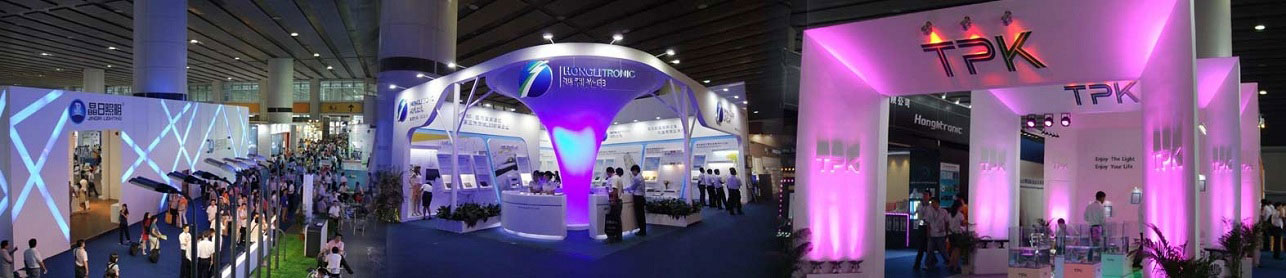
32nd Guangzhou International Lighting Exhibition (GILE) takes place 9–12 June 2027 at the China Import and Export Fair Complex, Guangzhou, China. The international lighting and LED trade fair spans architectural, indoor, outdoor, commercial, industrial and horticultural lighting, as well as components, controls and intelligent applications. More than a product display, GILE is a place for buyers, distributors, designers and project specifiers to compare products, test technical fit and develop supplier conversations.
Guangzhou International Lighting Exhibition at a glance
| Item | Information |
|---|
| Event | Guangzhou International Lighting Exhibition (GILE) |
| Edition | 32nd edition, 2027 |
| Event type | Business trade fair |
| Category | Lighting & Lighting Technology |
| Dates | 9–12 June 2027 |
| Visitor hours | 9–11 June, 09:30–18:00; 12 June, 09:30–14:00 |
| City and country | Guangzhou, China |
| Venue | China Import and Export Fair Complex, No. 380 Yuejiang Zhong Road, Haizhu District |
| Organiser | Messe Frankfurt |
| Main sectors | Indoor, architectural, commercial, outdoor, industrial and transportation lighting; components and controls; bio-optics and horticultural systems |
| Relevant audiences | Lighting buyers and distributors, manufacturers, designers, project specifiers, contractors and property owners |
| Latest published scale | 2026 organiser-reported figures: 2,802 exhibitors, 210,128 visitors and 210,000 gross m². Figures include the concurrent GEBT event. |
The 2027 dates, venue and daily opening times are published. The latest scale figures refer to the combined 2026 events, while the detailed 2027 exhibitor and programme information can be checked as it is released.
Why Guangzhou International Lighting Exhibition matters
Compare products across applications
Lighting decisions depend on more than appearance. Buyers can compare luminaires, light distribution, controls, component choices and use cases across residential, commercial, industrial, outdoor and public-space applications. A focused comparison helps teams turn a broad product search into a shortlist for a particular specification or market.
Connect engineering with project requirements
The event covers both finished lighting systems and upstream technologies. This gives specifiers and product teams a way to discuss how optics, drivers, controls and luminaire design work together, then assess whether a proposed solution suits installation conditions, maintenance plans and performance requirements.
Explore application-led lighting
GILE 2027 is organised around six application ecosystems: cultural tourism and visual experience; low-carbon and smart cities; bio-optics and smart agriculture; AI lighting; residential spaces; and commercial spaces. These themes connect product discovery to use cases, including connected infrastructure, human-focused environments and crop-specific lighting.
The organiser reports that the 2026 edition, including concurrent event GEBT, brought together 2,802 exhibitors from 18 countries and regions, 210,128 visitors from 164 countries and regions, and occupied 210,000 gross square metres across 21 halls. These are combined organiser figures, not GILE-only totals. The scale signals a broad sourcing environment; visitors will benefit from deciding in advance which applications and product groups matter most to them.
Exhibition sectors and product groups at Guangzhou International Lighting Exhibition
Indoor, architectural and commercial luminaires
- Recessed luminaires and downlights
- Track and magnetic lighting systems
- Surface-mounted and ceiling luminaires
- Suspended and pendant luminaires
- Wall, accent, cabinet and linear strip lights
- Portable, task and night lights
- Decorative and custom architectural lighting
Outdoor, public and life-safety lighting
- Street and municipal lighting
- Tunnel and solar lighting
- Outdoor landscape and architectural lighting
- Emergency lighting and life-safety systems
- Industrial high-bay and explosion-proof lighting
- Environmental durability and application-specific lighting
Lighting components, drivers and control technologies
- LED modules and component technologies
- High-reliability driver electronics
- Micro-optics and optical components
- Advanced substrates
- Interoperable Matter-over-Thread, Zigbee, Bluetooth Mesh and DALI-based controls
- Remote monitoring, commissioning and lighting-control interfaces
Connected and smart-city lighting
- Modular streetlights and standardised interfaces
- Connected outdoor lighting and remote control
- Low-voltage magnetic-track systems for adaptable interiors
- Energy-performance and light-distribution solutions
- Smart lighting applications for commercial and public environments
Bio-optics, horticultural and human-focused lighting
- Crop-specific horticultural lighting
- Plant-light spectrum and photon-output solutions
- Canopy-uniformity and thermal-management considerations
- Tunable-white and spectrally engineered systems
- Healthcare, educational and human-centric lighting applications
These groups reflect the published 2027 application themes and the organiser’s visitor sourcing guidance. Product lists and specific exhibitor offerings may evolve; use the official exhibitor search when planning a targeted visit.
Who should visit Guangzhou International Lighting Exhibition?
Lighting buyers, importers and distributors
Useful if your company sources luminaires, components or lighting systems for resale, projects or integration. Prioritise:
- Compare manufacturers’ indoor, outdoor and specialist product ranges.
- Review OEM/ODM capabilities against your portfolio and target specifications.
- Ask about driver, control and component compatibility.
- Check spare-parts availability, service support, lead times and minimum order conditions.
- Identify suppliers whose products fit your intended markets and channels.
The visitor information presents GILE as a sourcing platform connecting buyers and distributors with manufacturers, and lists business matching through the Global Buyer Mission Programme.
Lighting designers, architects and project specifiers
Useful if you develop lighting concepts or prepare specifications for buildings, landscapes or public infrastructure. Focus on:
- Compare optics, glare control and photometric evidence for the intended application.
- Assess track, recessed, linear and architectural systems against installation constraints.
- Review connected-control compatibility and commissioning requirements.
- Discuss durability, maintenance access and replaceable components.
- Evaluate tunable and human-focused systems against project needs rather than marketing labels.
GILE’s published visitor materials identify project specifiers and highlight visual comfort, interoperable controls, energy performance and circular design as sourcing considerations.
Contractors, property owners and facilities teams
Useful if you select, install or operate lighting for commercial, industrial, residential or public assets. Compare installation requirements, control systems, operating conditions and maintenance needs; bring project constraints and existing-system details so supplier discussions stay practical.
Lighting manufacturers and technology suppliers
Companies with luminaires, LED components, drivers, controls, optics or horticultural systems can assess the fair as a route to present products to professional visitors and explore distributor or OEM/ODM conversations. Confirm the current participation plan and stand options with the organiser before committing.
Roles with a close fit include sourcing and procurement managers, importers, distributor product managers, lighting designers, architects, electrical and lighting engineers, project managers, contractors, property and facilities managers, and product-development teams.
Why visit Guangzhou International Lighting Exhibition?
- Shortlist suppliers: identify manufacturers whose luminaires, components or OEM/ODM capabilities match your product brief.
- Compare technical options: review optics, drivers, controls, light distribution, system compatibility and service requirements side by side.
- Evaluate project fit: assess indoor, commercial, industrial, outdoor or horticultural solutions against site conditions and performance needs.
- Understand connected lighting: investigate interoperable control ecosystems and ask how commissioning and ongoing support work.
- Review lifecycle considerations: compare repairability, replaceable components, spare parts and environmental durability.
- Build a sourcing plan: use the Global Buyer Mission and business-matching initiative where eligible, then agree clear next steps with shortlisted suppliers.
Why exhibit at Guangzhou International Lighting Exhibition?
GILE is relevant to manufacturers and suppliers across luminaires, lighting components, drivers, control technologies, connected systems and horticultural lighting. The organiser positions the event as a meeting point for buyers, distributors and project specifiers seeking manufacturers and product solutions. Its 2026 combined figures indicate an international audience, though they include concurrent event GEBT and should not be treated as a GILE-only audience count.
Exhibitors may use participation to:
- Present product ranges to buyers and project professionals evaluating lighting solutions.
- Explain OEM/ODM options and technical capabilities directly to sourcing teams.
- Compare how distributors and specifiers assess controls, performance, service and product lifecycle.
- Explore potential distribution or supplier relationships through structured business conversations.
- Gather feedback on application fit across smart-city, commercial, residential and horticultural use cases.
Before booking, confirm stand availability, costs, deadlines and participation terms with the organiser. For cross-border market entry, independently check product-specific conformity, import, distribution and after-sales requirements; this guide does not establish which requirements apply to a particular product or destination.
What makes Guangzhou International Lighting Exhibition different?
GILE connects lighting products with six application ecosystems rather than presenting lighting as a single product category.
The 2027 themes include low-carbon and smart cities, AI lighting, bio-optics and smart agriculture, cultural-tourism visual experiences, and residential and commercial spaces. The official visitor guidance also highlights modular lighting, visual comfort, interoperable controls, circadian-supportive systems, energy performance, circular design, connected outdoor lighting, precision horticulture and environmental durability. This creates a useful lens for comparing products by their application, system compatibility and lifecycle needs, not only by fixture type.
What should you try to achieve at Guangzhou International Lighting Exhibition?
A broad goal such as “see what is new” is difficult to act on. Set a specific outcome before entering the halls.
If you are a buyer or distributor
Identify a shortlist of manufacturers for two priority product groups and record the technical, service and commercial questions that remain.
If you are a designer or specifier
Compare three candidate systems against a live project’s light distribution, controls, installation and maintenance requirements.
If you are a contractor or property team
Find solutions for one defined site challenge and confirm what evidence is needed to evaluate performance and lifecycle cost.
If you are exhibiting
Prioritise the buyer and project profiles most relevant to your products, then set a practical follow-up action for each useful conversation.
A productive visit creates clearer decisions, documented technical questions and purposeful next steps—not just a larger collection of brochures.
How to prepare before Guangzhou International Lighting Exhibition
1. Define the application and the decision
Write down whether you are sourcing for residential, commercial, industrial, public-space, horticultural or another application. Specify what decision the visit should support: supplier selection, product comparison, a project specification, distributor evaluation or a technology review.
2. Build a target list
Use the organiser’s exhibitor and product search to identify relevant companies and product groups as the directory is updated. Mark each target A (must discuss), B (useful) or C (explore if time allows). Do not assume the published 2026 directory is a final list for 2027.
3. Prepare technical questions
- What photometric files and test reports are available for the intended application?
- How are glare, colour consistency, light distribution and thermal performance measured?
- Which drivers, dimming methods and control protocols are supported?
- How does the system integrate with the existing building or lighting-control infrastructure?
- What are the environmental ratings for ingress, impact, corrosion, temperature or hazardous-area use?
- Can luminaires be repaired, and are replacement modules and spare parts available?
- What are the warranty, lead-time, minimum-order and after-sales arrangements?
- For horticultural lighting, what photon output, efficacy, spectrum and canopy-uniformity data are supplied?
- For OEM/ODM work, which design, tooling, testing and customisation steps are available?
4. Arrange priority conversations
Where the organiser’s business-matching initiative suits your eligibility and goals, check its current participation instructions and apply through the official route. For every meeting, bring a concise company introduction, product or project brief and the next decision you need to make.
5. Prepare travel and registration
Check the current visitor registration options, passport and visa requirements for your nationality, travel timing and the organiser’s published opening hours. The official page lists online and walk-in registration; verify the latest terms before travelling.
How to make the most of Guangzhou International Lighting Exhibition
Do not try to inspect every stand. Use your target list to spend time on the products and suppliers that can change a sourcing or project decision. For each conversation, record:
- Company: who you met and what they make.
- Product: model, application and relevant system components.
- Why it fits: the project requirement or portfolio need it may address.
- Evidence to request: photometric data, test reports, compatibility details, samples or references.
- Commercial checks: capacity, lead times, order conditions, service and spare parts.
- Next action: who will send what, by when, and what decision follows.
Compare like with like. A low-glare interior luminaire, a high-bay industrial fixture and a connected streetlight answer different requirements, even when all are described as energy-efficient. Ask suppliers to show application-specific evidence and clarify system boundaries.
Plan your time realistically
The latest published combined scale for the 2026 events was 210,000 gross square metres across 21 halls, including concurrent GEBT. That scale makes a focused route more useful than an unstructured walk. Confirm the 2027 floor plan and exhibitor locations when released, group target stands by hall or product group, and leave time for follow-up conversations.
- Before opening: confirm registration, priority targets and meeting locations.
- First part of the day: visit must-meet suppliers while attention and schedules are fresh.
- Midday: compare notes, revisit technical gaps and attend a relevant programme item if confirmed.
- Later sessions: explore secondary product groups and follow up with companies that need additional specifications.
- End of day: organise contacts and record promised documents or actions before the next day.
Beyond the exhibition floor
The organiser describes special exhibitions, interactive workshops and expert seminars as part of the fair’s fringe programme. The visitor page also lists the Global Buyer Mission Programme, a business-matching initiative intended to help relevant buyers meet lighting suppliers for direct discussions. Check the detailed 2027 programme and eligibility conditions as they are published; do not assume a previous or general programme item will run unchanged.
Networking at Guangzhou International Lighting Exhibition
Make each conversation easy to continue. Prepare a short introduction that explains your role, target applications, product interests and the decision you are working toward. For suppliers, bring the specifications that affect fit—such as installation conditions, dimming and control requirements, environmental exposure, project timing and service expectations. For buyers and distributors, be ready to explain channel coverage, customer type and the product gaps you are trying to fill.
Close by agreeing one concrete next step: an updated specification, sample information, compatibility check or commercial proposal. Record the responsible person and timing rather than relying on memory.
Guangzhou International Lighting Exhibition visitor profile and business opportunities
| Visitor profile | Main interests |
|---|
| Lighting buyers and importers | Manufacturer range, product specifications, OEM/ODM capability, quality evidence and supply terms |
| Distributors and wholesalers | Portfolio fit, channel suitability, product differentiation, service and spare-parts support |
| Lighting designers and architects | Optics, visual comfort, architectural integration, controls and application evidence |
| Project specifiers and engineers | Performance data, interoperability, environmental ratings and system compatibility |
| Contractors and installers | Installation requirements, commissioning, access for maintenance and system interfaces |
| Property owners and facilities teams | Operational fit, controls, energy performance, repairability and lifecycle considerations |
| Horticulture and controlled-environment professionals | Crop-specific spectrum, photon output, efficacy, canopy uniformity and thermal performance |
Travelling to Guangzhou International Lighting Exhibition
The venue is the China Import and Export Fair Complex at No. 380 Yuejiang Zhong Road in Haizhu District, Guangzhou. The organiser’s arrival information identifies Guangzhou Baiyun International Airport and describes access by high-speed rail, metro and taxi. Check the organiser’s current directions and local travel arrangements before setting a daily schedule.
Practical information for international visitors
| Item | Information |
|---|
| Venue | China Import and Export Fair Complex, Haizhu District, Guangzhou |
| Airport | Guangzhou Baiyun International Airport is identified in the organiser’s arrival information |
| Transport options | The organiser lists high-speed rail, metro and taxi access information |
| Registration | Online and walk-in registration options are listed; confirm current requirements before travel |
Arrange travel, accommodation, payment and any visa requirements in advance. Entry conditions depend on nationality and can change; check current official requirements for your circumstances.
One day or several days at Guangzhou International Lighting Exhibition?
A single day can suit visitors with a short target list and pre-arranged supplier meetings. More time may be useful if you need to compare several product groups, attend confirmed programme sessions or revisit suppliers with technical questions. Use the published daily hours and the 2027 floor plan when available to make a realistic schedule.
Guangzhou International Lighting Exhibition is particularly valuable if you have a project
Bring a project brief rather than relying on a general product search. Useful details include the application, installation environment, target performance, control-system constraints, maintenance access and delivery timeline. For outdoor or industrial settings, note exposure and durability requirements; for horticulture, identify crop, canopy and lighting-cycle needs. You do not need to disclose confidential information to ask whether a product category may fit, but precise requirements make technical conversations more useful.
After Guangzhou International Lighting Exhibition: where the real value starts
Sort contacts while the discussions are fresh:
- A — Immediate: suppliers that match an active project or near-term sourcing need; request missing technical and commercial evidence.
- B — Potential: promising companies that require a sample, compatibility test or further internal review.
- C — Market intelligence: product and technology observations that can inform future specifications or portfolio planning.
For each supplier, compare the same criteria: application, measured performance, controls, compliance evidence, service, spare parts, lead time and commercial terms. Share next actions with colleagues and set a date to review responses. A useful exhibition contact becomes valuable when it leads to a clear evaluation or decision.
Guangzhou International Lighting Exhibition visitor checklist
Before
- Define your priority lighting applications and the decisions you need to make.
- Check registration, current exhibitor information, programme updates and travel requirements.
- Prepare technical questions, project constraints and a target-company list.
During
- Record products, specifications, evidence required and next actions after each conversation.
- Compare products for the same application and verify controls, durability and service details.
- Use meeting and programme time for your highest-priority objectives.
After
- Classify contacts by urgency and fit; request missing files, samples or commercial details.
- Compare supplier responses against a consistent specification and document the decision.
- Share relevant product and market observations with your team.
Is Guangzhou International Lighting Exhibition worth visiting?
GILE is most useful for lighting buyers, distributors, designers, specifiers, contractors and property teams with a defined product, project or sourcing question. Its breadth across luminaires, components, controls and application-led systems can support meaningful comparisons, while the organiser’s business-matching initiative may help eligible buyers structure supplier discussions. The value depends on checking the current exhibitor and programme information and arriving with clear priorities; walking the halls without a plan is less likely to produce useful decisions.
Make your Guangzhou lighting visit purposeful
Which lighting decision could you make more confidently by comparing products and discussing requirements directly with suppliers? Go to GILE ready to discover, compare, specify and follow up.
Lighting industry opportunities in China
Market size and demand
China’s lighting exports to Belt and Road partner countries and regions totalled US?.688 billion in 2025, down 7.66% year on year, in a China Association of Lighting Industry brief hosted by China Light and attributed to the China Illuminating Engineering Society. This is an export-flow indicator for those partner markets, not the size of China’s domestic lighting market. The same brief says those destinations accounted for 47.47% of China’s total lighting exports in 2025, indicating the importance of export-market diversification while also showing that trade flows can fluctuate.
- Lighting exports to Belt and Road partners: US?.688 billion in 2025, down 7.66% year on year; measures exports to that partner group, not total domestic demand.
- Share of China’s lighting exports going to Belt and Road partners: 47.47% in 2025, compared with 38.93% in 2022; share of exports, not market growth.
- LED-only-source lighting fixtures exported to Belt and Road destinations: US?.015 billion in 2025, up 12.27% year on year; a product-segment export measure.
- LED modules exported to Belt and Road destinations: US? million in 2025, up 27.73% year on year; a component export measure.
Market drivers and commercial opportunities
The association brief describes lighting as an export-oriented industry integrated into international supply chains and notes that manufacturers are focusing on higher-value, greener and more technologically advanced products amid changing trade conditions. These observations support targeted investigation, not a promise of easy market access or demand for any individual product.
- LED fixture and module supply: the 2025 export indicators may help manufacturers and component suppliers identify product segments for further market research; validate destination-country demand, competition and buyer requirements.
- Connected and energy-conscious systems: GILE’s controls, smart-city and low-carbon themes align with the report’s emphasis on technology and higher-value products; assess protocol compatibility, application evidence and local service needs.
- Export-market diversification: the reported 47.47% export share to Belt and Road destinations suggests that companies may investigate distribution partners across those markets; each country’s demand, trade conditions and product requirements differ.
- Horticultural and specialist applications: visitors may compare crop-specific lighting technologies and assess their relevance to projects or distribution portfolios; verify performance data and customer needs at the product level.
Market-entry conditions
Product-specific Chinese certification, export documentation, destination-market conformity and import requirements were not established in the sources reviewed for this guide. Manufacturers and buyers should verify the rules that apply to each product and destination with the relevant authority or qualified trade adviser before making a market-entry decision.
What this means for exhibitors
Lighting exhibitors may use GILE to present products and explore supplier or distributor conversations, then test where their capabilities fit within export-oriented LED and component segments. The cited export figures are sector context only; they do not establish that the fair will provide particular buyers, contracts or access to any destination market.
What this means for visitors
Visitors may compare LED fixtures, modules, controls and specialist systems and use the trade indicators as prompts for deeper country- and segment-specific research. Check product performance, interoperability, service support and applicable destination requirements before treating a supplier discussion as a sourcing decision.
Explore Event Opportunities
Explore how Guangzhou International Lighting Exhibition can support your search for lighting suppliers, project solutions and relevant participation options, with practical assistance from ilikevents.
Get Expert Assistance from ilikevents to plan your visit or exhibition participation.
See the ilikevents services for this event
For further information, please click
here .