34th International Trade Fair for Plants, Horticultural Technology and Landscape Architecture
2–4 September 2027 | EXPO XXI Center, ul. Prądzyńskiego 12/14, Warsaw, Poland
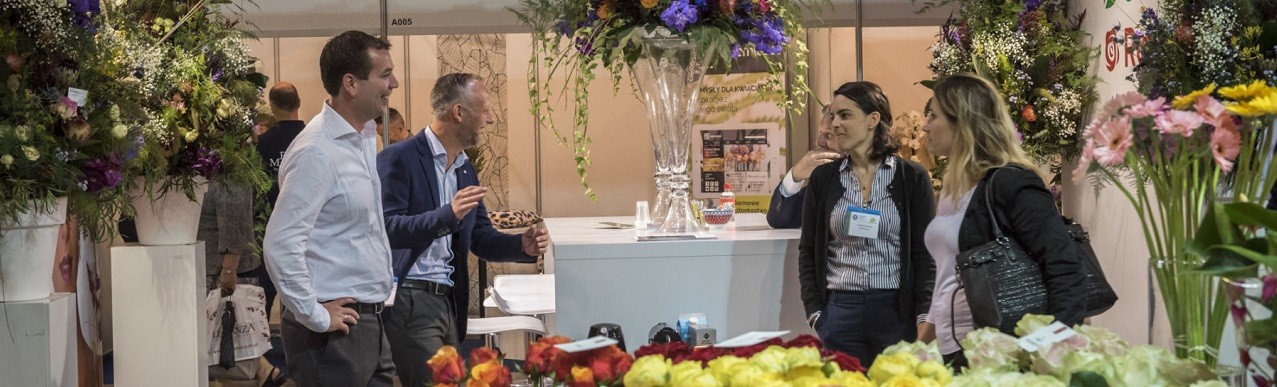
GREEN IS LIFE, including Flower Expo Poland, is a professional horticultural trade fair centred on nursery plants and plant production, with related sections for horticultural technology, landscape architecture, garden equipment and floristry. It brings growers and plant producers together with retailers, designers, contractors and suppliers of products and services. For visitors, the value lies in comparing plant ranges and cultivation inputs, assessing suppliers and finding ideas for commercial, private and public green-space projects.
Warsaw Green is Life 2027 at a glance
| Item | Information |
|---|
| Event | Warsaw Green is Life (Flower Expo Poland) |
| Full name | 34th International Trade Fair for Plants, Horticultural Technology and Landscape Architecture |
| Edition | 34th edition |
| Event type | Business trade fair |
| Category | Gardening, Horticulture & Floristic |
| Dates | 2–4 September 2027 |
| City and country | Warsaw, Poland |
| Venue | EXPO XXI Center, ul. Prądzyńskiego 12/14 |
| Organiser | Polish Nurserymen’s Association (Związek Szkółkarzy Polskich) |
| Main sectors | Nursery and garden plants; growing technology and supplies; landscape architecture; garden materials and equipment; floristry; horticultural publications and organisations |
| Main audiences | Plant producers, retailers and buyers, distributors, landscape professionals, contractors, florists and horticultural suppliers |
| Latest published scale | 2026 organiser-reported: 210 exhibitors from 11 countries and 8,939 visitors |
The 2027 dates and venue are published by the organiser. The latest available scale figures in the exhibitor information relate to the 2026 edition and are organiser-reported.
Why Warsaw Green is Life matters to the green industry
See the plant supply chain together
Plant producers are at the centre of the fair, with related growing inputs, sales-support products, garden equipment and landscape services represented around them. This makes the event relevant not only to nurseries but also to buyers who need to connect plant choice with availability, growing requirements, transport and the final application.
Compare products for real projects
Garden-centre buyers can assess plant varieties and presentation ranges; growers can examine substrates, irrigation and production equipment; landscape professionals can compare planting material with paving, lighting and design solutions. Arrive with a defined list of requirements so that conversations can lead to a useful comparison rather than an unstructured walk through the displays.
Follow plant innovation and professional exchange
The organiser lists a Plant Novelties Competition as part of the fair’s offer. It gives plant professionals a reason to look closely at new varieties and their potential uses. The 2027 programme details should be confirmed through the organiser’s current visitor and programme information before travel.
Latest published figures — organiser-reported, 2026:
- 210 exhibitors from 11 countries
- 144 plant producers
- 8,939 visitors, including 5,221 industry professionals
- International guests from 37 countries
This reported scale indicates a concentrated professional marketplace, while the figures describe the previous edition rather than a forecast for 2027.
Exhibition sectors and product groups at Warsaw Green is Life
1. Garden and nursery plants
- Trees and shrubs
- Perennials, climbers and ornamental grasses
- Fruit plants
- Bedding plants and bulbous plants
- Cut flowers, potted flowers and cut greenery
- Seeds, bonsai and Christmas trees
Plant producers form the fair’s central offer. Buyers may compare plant form, variety, intended use and the range of stock available for retail or landscape projects.
2. Horticultural technology, growing inputs and sales support
- Growing substrates and other production media
- Fertilisers, plant-protection products and plant-care products
- Greenhouses and tunnels
- Horticultural machinery and equipment
- Automatic irrigation and watering accessories
- Containers and plant labels
- Logistics and transport solutions for plant sales
Growers and wholesalers can assess how production equipment and sales-support products fit their crop mix, handling needs and distribution model.
3. Garden equipment, materials and decoration
- Garden sculptures, pots and containers
- Paving and garden-surface solutions
- Pond products and garden-landscaping materials
- Garden furniture
- Barbecues and fireplaces
- Garden lighting
- Products for roof gardens and conservatories
These ranges matter to garden retailers and project professionals who need to coordinate plants with durable materials, furnishings and outdoor features.
4. Landscape architecture and garden design
- Design services for public and private green spaces
- Landscape and garden-design software
- Garden realisation and landscaping services
- Specialist training for landscape professionals
- Tools and services supporting design practice
Designers and contractors can use this section to connect concepts with plant selections, construction materials and services for implementation.
5. Flower Expo Poland and floristry
- Floral materials
- Cut and potted flowers for interiors
- Products supporting interior-decoration work
- Floristry training and professional inspiration
Florists and floral buyers can explore material options and consider how current floral and interior-decoration trends fit their own assortment.
6. Horticultural publishing and professional knowledge
- Plant catalogues
- Gardening and nursery literature
- Landscape-architecture publications
- Trade press
- Scientific publications
Catalogues and specialist publications can support plant identification, assortment planning and continuing professional learning.
7. Organisations, associations and institutions
- Horticultural organisations and associations
- Institutions supporting horticulture and landscape architecture
- Industry contacts and professional exchange
- Initiatives connected with sustainable horticultural practice
- Work related to urban greenery
This part of the fair can help professionals understand the organisations and networks active in horticulture and green-space development.
Who should visit Warsaw Green is Life?
Plant producers, nurseries and professional growers
Useful if you are sourcing inputs, planning production or looking for plant ranges to grow on and sell:
- Compare ornamental trees, shrubs, perennials, grasses and seasonal plants
- Review substrates, fertilisers and plant-care products against crop requirements
- Assess greenhouses, tunnels, machinery and irrigation equipment
- Explore plant containers, labels and logistics support
- Discuss supply and distribution needs with relevant businesses
The organiser identifies plant producers as a core part of the fair; 144 producers were included in the reported 2026 figures.
Garden centres, retailers, wholesalers and distributors
Useful if you build an assortment, source plant stock or supply horticultural products:
- Compare plant varieties and seasonal ranges
- Assess supplier breadth and product presentation
- Review garden equipment, containers, labels and sales-support solutions
- Explore complementary ranges in flowers, décor and garden materials
- Prepare questions about availability, pack sizes, lead times and distribution terms
The official fair description names retailers and buyers among the professionals who meet plant producers and other green-industry suppliers.
Landscape architects, garden designers and green-space contractors
Useful if you develop public or private landscape projects and need to connect design choices with plants and materials:
- Compare trees, shrubs, perennials and grasses for different project roles
- Review paving, ponds, lighting and garden-construction materials
- Explore design software, specialist training and landscaping services
- Identify questions about plant suitability, maintenance and delivery for project schedules
- Consider options for roof gardens and conservatories
Landscape architecture and garden design are named parts of the trade fair, alongside products and services for green-space development.
Florists and floral businesses
Useful if you source floral materials or develop retail and interior-decoration offers:
- Explore cut and potted flower ranges
- Compare floral materials for different customer and project needs
- Review products linked to interior decoration
- Look for floristry training and professional ideas
- Assess whether garden and plant ranges complement your floral assortment
Flower Expo Poland is the fair’s floristry-focused section; its materials and training offer are described by the organiser.
Relevant job roles include nursery owners and production managers, purchasing managers, garden-centre buyers, wholesalers, importers and distributors, landscape architects, garden designers, landscape contractors, horticultural technicians, florists and floral buyers.
Why visit Warsaw Green is Life?
- Compare plant suppliers: assess trees, shrubs, perennials, grasses, seasonal plants and floral ranges against your assortment or project needs.
- Review production inputs: compare substrates, fertilisers, plant-care products, greenhouses, machinery and irrigation options for your growing operation.
- Build a retail range: consider how plant stock, pots, labels, garden décor and sales-support products can work together for your customers.
- Source for landscape projects: review plant material alongside paving, ponds, lighting, roof-garden products and design services.
- Follow new varieties: use the Plant Novelties Competition, where available in the programme, to focus attention on plant innovation.
- Assess commercial fit: use conversations with producers and suppliers to clarify assortment, availability, distribution and after-sales questions before taking a decision.
Why exhibit at Warsaw Green is Life?
Plant producers, horticultural-input suppliers, technology companies, garden-equipment brands, landscape-service providers, floristry businesses and publishers can consider exhibiting when their offer serves professional buyers, retailers, designers, contractors or growers. The organiser says the fair brings these groups together and reported 210 exhibitors from 11 countries in 2026, including 144 plant producers.
Exhibitors may use the fair to present their product range, compare customer feedback, discuss distribution and make their offer visible to professionals from Poland and abroad. These are opportunities to pursue, not guaranteed sales or partnerships. Before committing, define the product groups and buyer types you want to reach, check current participation terms and confirm which sections best fit your offer.
Market-entry note: international suppliers of plants and plant products should check product-specific phytosanitary rules, certificates and any restrictions applying to the product’s origin. Requirements differ by commodity and origin; do not assume that rules for one plant group apply to another. Assess local distribution, seasonal logistics, product suitability and service needs as part of your market plan.
How to prepare before Warsaw Green is Life
1. Set a focused objective
Choose a business question before you travel: for example, which plant varieties could strengthen your assortment, which irrigation or growing-media options fit a crop, or which materials support a specific landscape project. Separate immediate sourcing from longer-term market research.
2. Build a target list
Use the organiser’s current exhibitor information and catalogue where available. Group companies into A — must meet, B — useful to meet and C — explore if time allows. For plant suppliers, note the species or product range you need; for equipment suppliers, record the production issue or specification you want to discuss.
3. Prepare comparison questions
- Which plant varieties, sizes or forms match my customer or project requirements?
- What are the product’s growing conditions, maintenance needs and intended use?
- What availability, seasonality, quantities and delivery arrangements should I confirm?
- Which substrate, irrigation or plant-care requirements affect performance?
- For machinery or greenhouse systems, what capacity, installation and service requirements should I assess?
- For landscape materials, what dimensions, finish, durability and installation details matter?
- What documentation or phytosanitary requirements apply to plant products from the relevant origin?
- What follow-up information do I need: catalogue, technical specifications, samples or a quotation?
4. Plan participation around the published information
Check the organiser’s latest visitor registration, ticket, access and programme information before booking travel. Exhibitors should review the current application and participation terms. The exhibitor page says a 2027 first-minute offer is forthcoming and valid until 30 January 2027; confirm whether it has launched and what conditions apply before relying on it.
How to make the most of the exhibition
Do not collect catalogues without a decision in mind. For each useful conversation, record: Company → Product or plant group → Why it fits → Specification or commercial question → Contact → Next action.
For a nursery or garden-centre range, note the varieties, form, season and intended customer. For growing technology, capture capacity, compatibility and service requirements. For a landscape project, connect the plant or material to the site, design brief and delivery schedule. Ask permission before recording contact details or taking product photographs.
Warsaw Green is Life visitor profile and business opportunities
| Visitor profile | Main interests |
|---|
| Plant producers and nursery operators | Plant varieties, substrates, irrigation, machinery, greenhouses and sales support |
| Garden-centre and retail buyers | Seasonal plants, nursery stock, flowers, containers, labels and garden products |
| Wholesalers and distributors | Supplier ranges, availability, logistics and complementary horticultural products |
| Landscape architects and designers | Plant selection, design tools, paving, ponds, lighting and green-space materials |
| Green-space contractors | Plant stock, landscaping products, project materials and implementation services |
| Florists and floral buyers | Cut and potted flowers, floral materials and interior-decoration products |
| Horticultural educators and information providers | Plant catalogues, trade publications, scientific material and specialist training |
Getting to EXPO XXI for Warsaw Green is Life
The organiser lists the venue as EXPO XXI Center, ul. Prądzyńskiego 12/14, Warsaw. Check the current organiser and venue access information for transport, entrance and on-site arrangements before travelling; these details can change between editions.
After Warsaw Green is Life: turn conversations into decisions
Sort contacts into three groups: A — immediate action for suppliers or project partners that match a current need; B — further evaluation for options requiring technical or commercial comparison; and C — market intelligence for useful information without an immediate purchase plan.
Follow up with a specific request: plant catalogue and availability, growing or care instructions, technical specifications, delivery terms, product documentation, samples or a quotation. Compare options against the same criteria and record what must be verified before placing an order or recommending a product for a project.
Warsaw Green is Life visitor checklist
Before
- ☐ Set one or two sourcing, production or project objectives.
- ☐ Check registration, ticket, programme and access information with the organiser.
- ☐ Prepare a target-company list and event-specific questions.
- ☐ Check product-origin requirements if you plan to source or sell plants across borders.
During
- ☐ Prioritise the plant, technology and materials sections relevant to your objective.
- ☐ Compare products using consistent specifications and intended uses.
- ☐ Record contacts, the reason for relevance and a clear next action.
- ☐ Confirm details rather than relying on an informal conversation alone.
After
- ☐ Send tailored follow-up requests while the discussion is still fresh.
- ☐ Compare supplier information, availability, documentation and delivery terms.
- ☐ Decide which options need a sample, technical review or commercial assessment.
Is Warsaw Green is Life worth visiting?
The fair is most useful for people whose work depends on plant supply, horticultural production, garden retail, landscape design, green-space construction or floristry. Its combination of nursery plants, growing technology, garden materials and professional services supports cross-category comparison. Visitors will gain more from it when they arrive with target suppliers, project requirements or product questions and follow up systematically; an unplanned walk through the stands is less likely to produce decisions.
Make your Warsaw Green is Life visit purposeful
What do you need to compare, source or understand in the horticultural market that you cannot resolve from a catalogue alone? Set that objective, meet the relevant suppliers and leave with a clear next step. Discover. Compare. Evaluate. Follow up.
Horticulture and nursery-plant opportunities in Poland
Market size and demand indicators
A Dutch government agricultural network reported that Dutch exports of flowers and plants to Poland reached €467 million in 2025, up 12.1% on 2024, citing the Dutch Association of Wholesalers in Floricultural Products and Floridata. This measures one bilateral export flow, not the whole Polish horticulture market. A 2024 AIPH industry profile citing the Polish Nurserymen’s Association described more than 275 nursery-stock producers and suppliers operating across 7,174 hectares and producing €865 million worth of trees, shrubs and plants; treat this as a published industry snapshot, not an audited current annual total.
- Dutch flower-and-plant exports to Poland: €467 million in 2025, +12.1% year on year; bilateral trade, not total market size.
- Nursery-stock producer base: more than 275 producers and suppliers across 7,174 hectares; AIPH profile published in 2024, underlying measurement period not stated.
- Soil acidity: the Dutch government report cites Statistics Poland (GUS) that about 40% of Polish soils are acidic or very acidic; this is a national soil indicator, not a horticulture-only measure.
- Drought-related crop losses: the same report cites an estimate of up to PLN 6.5 billion annually across Polish agriculture; this is an estimated, economy-wide agricultural impact, not a nursery-sector loss figure.
Drivers and commercial opportunities
The export flow and nursery-stock profile point to a market where international plant trade coexists with domestic production. Separately, reported soil-acidity and water-stress indicators suggest practical questions around growing media, soil management and irrigation, although the cited impacts are broader than ornamental horticulture.
- Plant stock and nursery ranges: producers, exporters and distributors may assess demand for trees, shrubs, perennials, grasses and seasonal plants. Barriers to evaluate include variety fit, availability, seasonal handling and product-origin requirements.
- Flower and plant distribution: the 2025 Dutch export flow indicates a measurable bilateral trade channel. Suppliers may investigate product positioning and distribution partners; competition, customer requirements and logistics need separate assessment.
- Water-efficient growing: the national drought indicators make irrigation equipment, water management and growing-media performance relevant areas to investigate. The cited loss estimate is not horticulture-specific; buyers should establish the needs of their own crops and operations.
- Soil and plant-care inputs: the reported acidity indicator may make pH management, soil improvement and plant-care products worth evaluating for relevant customers. Product performance and local crop conditions should be checked rather than inferred from a national average.
Regulations and market-entry conditions
Poland’s State Plant Health and Seed Inspection Service points to EU plant-health rules under Regulation (EU) 2027/2072. For plants and plant products entering the EU from certain third countries, product- and origin-specific prohibitions, phytosanitary certificates or other requirements may apply. The applicable list differs by commodity and origin; exporters should check the current annexes and import conditions for each product before shipping. These third-country rules should not be assumed to describe every movement of goods within the EU.
What this means for exhibitors
Plant producers and suppliers may use the fair to test how their varieties, growing inputs, irrigation or garden products fit the needs of Polish retailers, growers and project professionals. The 2025 bilateral export figure and the reported domestic nursery base offer context for market assessment, not proof of demand for a particular product or a guarantee of buyers. Distribution, seasonal logistics, product suitability and plant-health compliance deserve specific preparation.
What this means for visitors
Buyers and growers could compare domestic and international plant ranges, assess growing and water-management solutions, and identify questions for potential suppliers. Landscape professionals may review plant material alongside garden and green-space products. The market indicators are limited to bilateral trade, an industry snapshot and wider agricultural conditions, so decisions should be based on product-level requirements and direct supplier information.
Explore Event Opportunities
Explore how Warsaw Green is Life may help your business compare plant and horticultural products, assess suppliers or plan an exhibition presence, with practical support from ilikevents.
Get Expert Assistance from ilikevents to plan a visit or exhibitor participation.
See the ilikevents services for this event
For further information, please click
here .