electronica Munich Electronics Trade Fair 2028
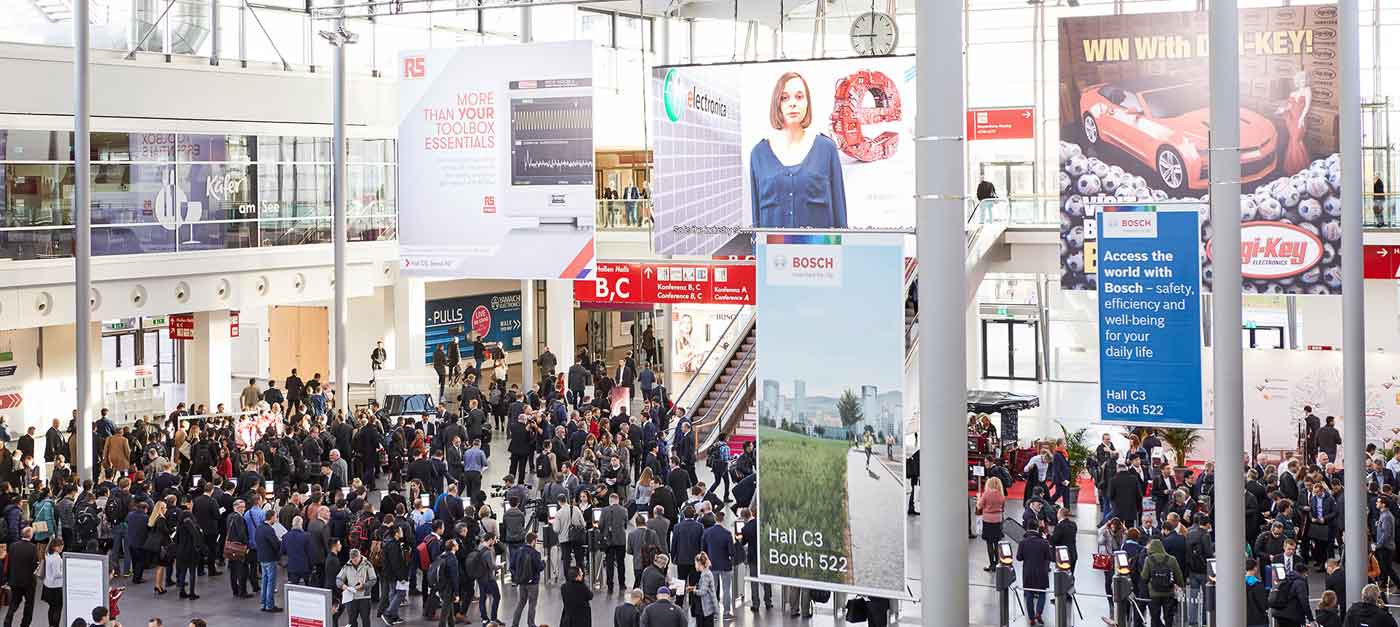
electronica takes place from 14 to 17 November 2028 at the Trade Fair Center Messe München in Munich, Germany. Messe München’s international electronics trade fair and conference covers semiconductors, embedded computing, sensors, displays, electromechanics, printed circuit boards and electronic manufacturing services. It is more than a product showcase: engineers can compare component and system options, buyers can evaluate supplier capabilities, and exhibitors can present technologies to an international professional audience.
electronica 2028 at a glance
| Item | Information |
|---|
| Event | electronica Munich Electronics Trade Fair |
| Official name | electronica |
| Edition | 2028; held every two years |
| Event type | International trade fair and conference |
| Category | Electronics & Electrical Engineering |
| Dates | 14–17 November 2028 |
| City and country | Munich, Germany |
| Venue | Trade Fair Center Messe München |
| Organiser | Messe München GmbH |
| Main sectors | Semiconductors, embedded computing, sensors, displays, electromechanics, PCBs and circuit carriers, EMS |
| Main audiences | Electronics developers and designers, product and engineering teams, procurement professionals, manufacturers and suppliers |
| Latest published scale | 2026 organiser-reported figures: 3,512 exhibitors and more than 86,000 visitors |
The 2028 dates are published on the event website. The 2028 programme, visitor hours and participation details should be checked as they are released; the figures above describe the 2026 edition.
Why electronica matters to the electronics industry
Compare technologies across a connected supply chain
Electronics projects depend on how components, software, assemblies and system peripherals work together. electronica’s breadth lets professionals explore several layers of that chain in one visit, from semiconductor and sensor technologies to embedded systems, circuit carriers and manufacturing services. Use the exhibition to identify candidate solutions, then compare technical specifications, integration requirements, availability and support directly with suppliers.
Connect components with real applications
The event’s subject matter reaches into automotive electronics, industrial automation, connectivity, energy systems and medical applications. These fields put different demands on reliability, power use, sensing, miniaturisation and system integration. Application teams can use conversations with component and system suppliers to test whether a technology fits a defined project rather than collecting product information without a decision in mind.
Follow technical themes and industry discussion
In 2026, the organiser highlighted artificial intelligence, cyber resilience and energy efficiency. The 2026 forums addressed areas including automotive, cybersecurity, embedded systems, the industrial internet of things, connectivity, printed circuit boards, power electronics, components, and measurement and sensor technology. These are examples from the previous edition, not a confirmed programme for 2028.
Understand the event’s international reach
Organiser-reported results for 2026 recorded 3,512 exhibitors from 60 countries and regions, with 74% from abroad, and more than 86,000 visitors from 107 countries and regions, 54% of them international. This scale gives technical buyers and suppliers a broad set of companies and perspectives to investigate, but it does not guarantee that a particular supplier, product or meeting will be available.
- Exhibitors: 3,512 in 2026, organiser-reported.
- Visitors: more than 86,000 in 2026, organiser-reported.
- Exhibitor reach: 60 countries and regions; 74% international exhibitors in 2026, organiser-reported.
- Visitor reach: 107 countries and regions; 54% international visitors in 2026, organiser-reported.
Exhibition sectors and product groups at electronica
Semiconductors and electronic components
Semiconductor devices and component technologies sit at the core of electronic products and systems. Depending on your application, compare performance, integration needs, operating conditions and supplier documentation.
- Integrated circuits and logic devices
- Discrete semiconductor components
- Memory devices and microprocessors
- Power semiconductor components
- Electronic components and component materials
Embedded computing and development systems
Embedded platforms combine processing hardware, software and interfaces for dedicated applications. Product developers can evaluate how platform choices affect functionality, lifecycle planning and integration effort.
- Embedded processors and microcontrollers
- Computer-on-module platforms
- Development and evaluation systems
- Embedded software and application tools
- Control and peripheral systems
Sensors, measurement and test
Sensor and measurement technologies help electronic systems detect, quantify and respond to conditions. Engineers can compare measurement ranges, precision, interfaces and environmental suitability against project requirements.
- Temperature, pressure and flow sensors
- MEMS and microsystem components
- Measurement and metrology equipment
- Test systems and electronic test equipment
- Signal-processing and sensor-interface components
Displays and human-machine interfaces
Display technologies connect electronic systems with their users, from embedded controls to mobile and industrial applications. Compare visibility, touch interaction, size, integration and operating requirements with suppliers.
- Display modules and panels
- Touch panels and interface components
- Display control and driver electronics
- Display-related system components
- Interface components for embedded products
Printed circuit boards, circuit carriers and EMS
Boards, circuit carriers and electronic manufacturing services link design decisions to physical assemblies. Product teams can discuss manufacturability, assembly requirements, testing and the production support they need.
- Printed circuit boards and circuit carriers
- Electronic assemblies and modules
- Electronic manufacturing services
- Prototyping and production support
- Assembly testing and quality-control equipment
Electromechanics, power and system periphery
Connection, switching, power and enclosure choices influence safety, reliability and the overall system design. Compare components in the context of the operating environment and the complete application.
- Connectors and connection systems
- Switches, relays and electromechanical components
- Power supplies and power conversion components
- Enclosures and housing technology
- Wired and wireless system peripherals
Who should visit electronica?
Electronics manufacturers and product-development companies
Useful if you are developing electronic products, systems or assemblies and need to assess the supply chain behind them.
- Compare components and embedded platforms against product requirements
- Review sensors, displays, circuit carriers and system peripherals
- Discuss integration, testing and production questions with suppliers
- Identify technologies to investigate further with your engineering team
- Check documentation, operating conditions and support requirements before shortlisting
The organiser identifies developers and designers of application-oriented electronic circuits and products as a target visitor group.
Procurement teams, component buyers and distributors
Useful if you source components, assemblies or electronic systems for manufacturing, resale or project delivery.
- Build a shortlist of suppliers across several electronics sectors
- Compare product ranges, application fit and support arrangements
- Ask about availability, minimum order conditions and lead times directly
- Explore potential distribution or sourcing relationships without assuming terms
- Record follow-up actions for each relevant supplier
These priorities are inferred from the trade fair’s product and supplier focus; check the exhibitor directory as the 2028 information becomes available.
Automotive, industrial and energy technology teams
Useful if your projects depend on electronics for vehicles, automation, connected equipment, power systems or energy applications.
- Review sensors, embedded computing and power electronics for application fit
- Compare control, connectivity and component options against system constraints
- Discuss integration, reliability and conformity questions with suppliers
- Identify relevant technical forums when the 2028 programme is published
- Separate promising concepts from solutions ready for project evaluation
These audiences are inferred from the event’s published industry topics and its 2026 forum themes.
Electronics exhibitors and technology suppliers
Useful if your company supplies components, systems, development platforms, electronic assemblies or manufacturing services.
- Present products to a broad professional electronics audience
- Assess how your offer fits application areas represented at the fair
- Prepare technical material that lets buyers evaluate specifications and integration
- Plan conversations around target markets, support needs and next steps
- Review participation costs, stand options and deadlines before committing
The 2026 organiser-reported international exhibitor share was 74%; this is a previous-edition figure, not a forecast for 2028.
Why visit electronica?
- Shortlist suppliers: identify manufacturers and service providers relevant to a defined component, system or assembly requirement.
- Compare technical options: assess sensors, semiconductors, embedded platforms, displays and power components against your product specifications.
- Evaluate production routes: discuss circuit boards, assemblies and electronic manufacturing services for a project’s manufacturing needs.
- Explore application-specific technologies: investigate electronics relevant to automotive, industrial, connected and energy systems.
- Check system integration: ask suppliers how components interface with existing hardware, software and operating conditions.
- Follow industry discussion: use the announced programme to select relevant forums or conference sessions when the 2028 schedule is available.
Why exhibit at electronica?
Manufacturers and suppliers of electronic components, semiconductors, embedded systems, sensors, displays, circuit boards, electromechanical products and EMS may consider electronica when their goals include reaching professional electronics audiences or presenting solutions for industrial and application markets. In 2026, the organiser reported 3,512 exhibitors from 60 countries and regions, including 74% from abroad; these results show the previous edition’s international exhibitor mix, not a guaranteed audience or outcome for 2028.
Before applying, define the products and applications you want to promote, the buyer roles you need to reach, and the evidence visitors will need to assess your offer. Prepare concise specifications, interface information, use cases and support details. Check participation conditions, stand options, deadlines and the 2028 exhibitor information with Messe München when published. ilikevents can assist exhibitors with registration coordination, participation planning, stand selection, booth design and construction, promotional materials, interpretation and business-meeting arrangements.
Market-entry note: electronics products placed on the EU market may fall under product-specific EU requirements. For equipment within scope, the European Commission identifies the Electromagnetic Compatibility Directive 2014/30/EU; applicable conformity assessment and CE-marking obligations depend on the product and legislation. Check the rules for each product with qualified compliance support before offering it in the market.
What makes electronica different?
Its breadth connects component technologies with electronics applications and manufacturing services. The official topic range spans semiconductors, embedded computing, sensors, displays, electromechanics, printed circuit boards and EMS, while 2026 focus areas included AI, cyber resilience and energy efficiency. That combination gives participants a reason to look beyond one product category: a product-development team can compare enabling components alongside the systems and services needed to turn them into an application. The event’s forums and Automotive Conference are additional knowledge formats documented for 2026; confirm the next programme rather than assuming those sessions will return unchanged.
What should you try to achieve at electronica?
Replace “see what is new” with a decision you can take back to your team. Keep the target specific enough to guide your conversations and follow-up.
If you develop electronic products
Identify a shortlist of component or embedded-system options that meet a defined project requirement. Record the specifications, integration questions and documentation still needed from each supplier.
If you buy or distribute components
Compare a manageable group of suppliers for a priority product category. Note portfolio fit, supply conditions, support arrangements and the next information required before a commercial decision.
If you supply electronics
Prepare a clear account of your target applications and the technical evidence buyers need. Use conversations to understand fit and agree appropriate follow-up, without treating a meeting as a guaranteed sale.
How to prepare before electronica
1. Define the engineering or sourcing question
Write down the project, product category or supply problem that makes the visit worthwhile. Add relevant specifications: operating conditions, interfaces, power requirements, form factor, lifecycle needs, compliance documentation and target production timing. A specific brief helps distinguish relevant suppliers from interesting but unrelated displays.
2. Build a target-company list
When the 2028 exhibitor directory is available, use it to identify companies by sector and product category. Group them into A — essential to the project; B — useful to compare; and C — explore if time permits. Do not assume the 2026 directory or exhibitor list will be unchanged.
3. Prepare questions for suppliers
- Which product variant best matches the intended application and operating environment?
- What electrical, mechanical and software interfaces are supported?
- Which test data, technical documentation and conformity information are available?
- What are the expected product lifecycle and revision-management arrangements?
- What support is available for evaluation, integration and troubleshooting?
- For EMS or assemblies, what production, inspection and test capabilities are relevant to the design?
- What are the current availability, lead-time and order conditions for the required item?
- Which questions require a written technical response after the fair?
4. Align the visit with the programme
The 2028 programme has not yet been announced in the sources checked. When it becomes available, select the forums and conference sessions that directly support your project, and leave enough time for supplier discussions and product comparisons.
5. Plan participation early
Review the official visitor or exhibitor information for registration, access, opening hours and any deadlines before making arrangements. International visitors should check visa requirements for their nationality. ilikevents can help visitors plan a visit and coordinate registration, travel and interpretation needs.
How to make the most of the exhibition
A busy hall can produce a large collection of brochures but few useful decisions. At each relevant stand, capture the same short record:
Company → product → project fit → technical question → next action.
For example, when reviewing a sensor, note its measured parameter, operating range and interface, then record which design requirement it may satisfy and what validation data you still need. For an EMS provider, capture the assembly or testing capability relevant to your design and the information needed for a production quotation. Separate confirmed specifications from verbal claims that need written follow-up.
Check the official exhibitor directory and hall information as the 2028 edition details are released. Prioritise the companies and sessions tied to your objectives; leave unplanned time for discoveries, but do not let them displace essential technical conversations.
Beyond the exhibition floor
In 2026, electronica’s published programme included 15 forums, the electronica Automotive Conference, the Executive Event, the electronica Fast Forward startup platform, a Career Area and Young Talents Days. The forums covered areas such as automotive, cybersecurity, embedded systems, IIoT, connectivity, PCBs, power electronics, components, measurement and sensor technology. These are examples from 2026 only. Review the 2028 programme when it is published and choose sessions for their relevance to your work rather than assuming a previous format or speaker will return.
Networking at electronica
Technical discussions are more useful when both sides understand the application. Prepare a short introduction to your role, company and project, then explain what the product must do and which requirements are fixed. For suppliers, bring a concise account of your product’s application, documentation and support offer. For buyers, ask focused questions about fit, interfaces, validation, availability and service. Before ending a conversation, agree what information should be exchanged next and who will follow up; do not treat a badge scan or business card as a qualified opportunity by itself.
electronica visitor profile and business opportunities
| Visitor profile | Main interests |
|---|
| Electronics developers and circuit designers | Components, embedded platforms, sensor systems, interfaces and technical documentation |
| Product and systems engineers | Integration options, power, connectivity, reliability and application fit |
| Procurement and sourcing teams | Supplier range, availability, commercial conditions and production support |
| Electronics manufacturers and EMS buyers | Circuit boards, assemblies, prototyping, testing and manufacturing services |
| Automotive and industrial technology professionals | Automotive electronics, sensors, embedded computing, power and automation technologies |
| Component distributors and suppliers | Product portfolios, potential channel fit and professional market conversations |
Travelling to electronica
The event’s visitor information gives the venue address as Am Messesee 2, 81829 Munich, Germany. Messe München states that its fairgrounds are connected to Munich public transport and that the journey from Munich Central Station takes about 20 minutes without changing trains. Visitor parking is available in marked areas. The official visitor information also says Munich Airport is 42 kilometres south of the fairgrounds, with shuttle buses, public transport and taxis providing routes to the venue.
Check the 2028 travel information before departure because transport arrangements, ticket conditions and event access can change. If you are travelling for a defined business programme, allow time for the journey between the airport, accommodation and exhibition centre.
Practical information for international visitors
| Item | Information |
|---|
| Venue address | Am Messesee 2, 81829 Munich, Germany |
| Airport | Munich Airport; the fairgrounds are 42 kilometres south of the airport |
| Public transport | The fairgrounds connect to Munich public transport; the organiser describes an approximately 20-minute journey from Munich Central Station without a change |
| Visa | Visitors from outside Europe may need a visa; check requirements for your nationality before travelling |
| Currency and language | Confirm practical payment and language arrangements before travel |
For international participation, plan registration and travel requirements early. Visa requirements depend on nationality and individual circumstances; allow time to confirm them. ilikevents can assist with visit planning, flight and hotel arrangements, visa-application assistance, local transport and interpreter services.
One day or several days at electronica?
The 2028 fair is scheduled across four days. A focused visit may suit a defined sourcing or engineering brief if you prioritise the relevant sectors and companies in advance. More time may be useful if your work spans several product groups, requires supplier comparisons, or includes both the exhibition and relevant conference sessions. Check the published 2028 opening hours and programme before deciding how much time to allocate; the next edition’s daily schedule is not established here.
After electronica: where the real value starts
Sort contacts and findings into three groups: A — immediate project relevance, B — potential supplier or partner, and C — market or technology intelligence. For each A or B contact, send a concise follow-up that recalls the application discussed and requests the specific next item: a datasheet, test report, integration note, sample conditions, quotation, manufacturing capability or meeting with a technical colleague. Compare replies against the same project criteria, document open questions and involve the engineers or buyers responsible for the decision. Keep emerging ideas in the C group until they have evidence and a practical route into a project.
Is electronica worth visiting?
electronica is likely to be most useful for professionals who develop, source, manufacture or supply electronic components and systems, especially when they arrive with a defined application or procurement question. Its published sector range links component technologies, embedded systems, circuit boards and manufacturing services, while the 2026 organiser-reported visitor and exhibitor figures indicate substantial international participation. The value of a visit depends on selecting relevant companies and checking technical fit; walking the halls without a plan can consume time without resolving a project decision. Review the 2028 exhibitor and programme information as it is released, and set objectives that can be evaluated after the visit.
Closing question
What can you validate, compare or source at electronica that would take longer to resolve through desk research alone? Arrive with a clear requirement, leave with evidence and next actions. Discover. Compare. Discuss. Decide. Follow up.
Electronics industry opportunities in Germany
Market size and demand
Germany’s electronics industry recorded aggregated turnover of EUR 225 billion in 2025, according to Germany Trade & Invest. This is sector turnover, not a measure of the addressable market for any single component or product. The same agency describes Germany as a leading European production and sales location for electrical and electronic goods, with an export share of around 50% for German electronics companies. These indicators point to a substantial industrial base, while product-level demand and market access still need to be assessed individually.
Market drivers and commercial opportunities
Germany Trade & Invest identifies semiconductor production, connected devices, automotive electrification, renewable-energy systems, industrial automation and medical electronics among relevant opportunity areas. For electronica participants, these provide directions for targeted research rather than assurances of demand:
- Semiconductors and microelectronics: component suppliers may investigate connections with German electronics manufacturers and the semiconductor ecosystem; qualification, scale and customer-specific requirements are material barriers.
- Automotive and power electronics: suppliers of power components, battery-management electronics and embedded systems could assess fit with vehicle and mobility applications; validation, integration and automotive customer approval can be demanding.
- Industrial automation and connected systems: sensors, embedded computing and control electronics may be relevant to manufacturing applications; buyers should check system compatibility, reliability and implementation requirements.
- Renewable energy and grid applications: power semiconductors, inverters, converters and energy-storage management systems are identified by GTAI as relevant areas; project specifications and procurement routes vary.
- Medical electronics: diagnostic, imaging and monitoring electronics are identified as application areas; product-specific regulatory and quality requirements must be established before market entry.
Regulations and market-entry conditions
The European Commission identifies the Electromagnetic Compatibility Directive 2014/30/EU as an applicable framework for equipment within its scope. It addresses electromagnetic disturbance and immunity. Product scope and conformity-assessment steps depend on the product and applicable legislation; verify the requirements for each product before placing it on the EU market. Do not rely on voluntary certificates as a substitute for the legally applicable conformity process.
What this may mean for exhibitors
Electronics exhibitors may use Germany’s documented sector scale and industrial application areas to prioritise which customer segments, integrators or distribution routes to investigate. A trade-fair conversation can help test product fit and identify information a potential counterpart needs, but the turnover figure does not demonstrate demand for a specific item or guarantee orders.
What this may mean for visitors
Visitors can use the event’s broad product mix to compare components and systems against German or European project requirements, identify suppliers for further technical review, and ask what documentation and conformity evidence applies. Treat possible market matches as leads for evaluation, not as proof of commercial viability.
Explore Event Opportunities
Use electronica to identify relevant technologies, compare suppliers and explore electronics-industry opportunities in Germany. ilikevents can help you plan a focused visit or prepare for exhibition participation around your objectives.
Get Expert Assistance from ilikevents to plan your visit or exhibition participation.
See the ilikevents services for this event
For further information, please click
here .