Düsseldorf Glasstec 2028: glass production, processing and applications
19–22 September 2028
Messe Düsseldorf Exhibition Centre, Düsseldorf, Germany
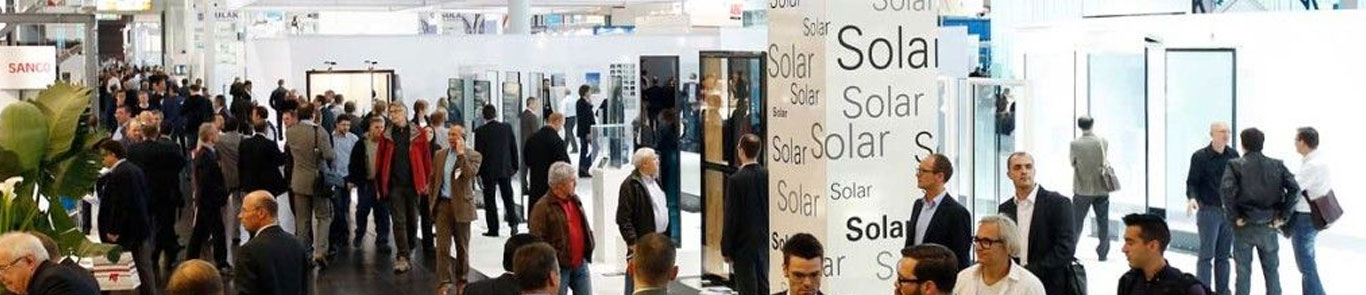
glasstec is Messe Düsseldorf GmbH’s international trade fair for glass production, processing and products. The exhibition connects equipment and technology suppliers with glass manufacturers, processors, glazing businesses and professionals specifying glass for architecture, façades, vehicles, solar and technical applications. The organiser has announced the 2028 dates; detailed programme and visitor arrangements for that edition should be checked as they are released.
Why Düsseldorf Glasstec matters
Explore the production chain
glasstec covers the chain from glass production technology and processing equipment to finished glass products and applications. That scope can help visitors connect an investment or specification question with machinery, materials, controls and downstream use.
Compare technology and products
Manufacturers and buyers can use the exhibition to compare glass, processing and finishing solutions alongside tools, replacement parts, measurement, testing, control technology and software. Bring defined requirements so supplier conversations can focus on operating conditions, quality, service and integration.
Understand current industry themes
The 2026 programme addressed decarbonisation, the circular economy and AI and digital technologies. Its programme included the glasstec conference, CircuClarity Two, glass trends sessions, the architecture forum and the glass technology live innovation showcase. These are examples from the previous edition, not a promise of the 2028 programme.
For scale, Messe Düsseldorf reported that the 2024 edition presented 1,257 exhibitors from 50 countries and welcomed more than 32,000 trade visitors from over 120 nations. The organiser also reported that around 80% of visitors were decision-makers. These are 2024 edition figures; final 2026 figures were not available in the reviewed official materials.
Who should visit Düsseldorf Glasstec?
Glass manufacturers and production engineers
Useful if you are evaluating production equipment, handling, inspection, controls or ways to improve product consistency and resource use. Compare technical specifications, throughput assumptions, energy and material requirements, maintenance needs and compatibility with your existing line.
Machinery, plant and technology buyers
Use the breadth of production and processing technology to compare suppliers and identify equipment or software relevant to a defined project. Prepare questions about operating range, integration, service support, spare parts, commissioning and evidence behind performance claims.
Glass processors, fabricators and glazing businesses
Look for processing and finishing systems, tools, replacement parts, handling solutions and products for fabrication or installation. Compare the range of materials and thicknesses handled, achievable finish, safety requirements and the workflow each system supports.
Architects, façade specialists and specifiers
Explore architectural, façade, smart, coated, laminated and insulating glass applications. Bring project requirements such as performance criteria, appearance and dimensions; use supplier discussions to clarify what is technically available and what needs project-specific verification.
Technical-glass, solar and specialist-product professionals
Technical glass, display and laser applications, solar-related products and other specialist uses connect the fair with teams developing or sourcing glass for demanding applications. Identify the performance properties, testing evidence and production constraints that matter to your application.
What can you find at Düsseldorf Glasstec?
Glass production and machinery
- Glass manufacture and production technology
- Glass-making machinery and plant engineering
- Process monitoring, quality control and production software
- Measurement, testing and control technology
Processing, finishing and installation
- Glass processing and finishing systems
- Tools, replacement and spare parts
- Handling, transport and mounting solutions
- Products for glazing, façade and construction applications
Glass products and applications
- Architectural and façade glass
- Smart, switchable, coated, laminated and insulating glass
- Technical and special glass, including display-related applications
- Solar glass and other glass applications
- Hollow, packaging and laboratory glass
- Recycling and circular-economy solutions
The exact 2028 exhibitor list and product catalogue should be checked when the organiser publishes them.
What makes Düsseldorf Glasstec distinctive?
It brings glass production technology, processing, products and applications into one industry-focused event. The range can be useful when a buying or design decision crosses several parts of the supply chain: for example, when a glass specification depends on both material properties and processing capability, or when equipment choices affect quality, maintenance and resource use.
The 2026 edition’s glass technology live showcase presented glass applications, façade solutions, materials, digital technologies and experimental concepts through exhibits, mock-ups and prototypes. The 2026 programme also featured the glasstec conference, CircuClarity Two, glass trends sessions and the architecture forum. Treat these as previous-edition examples and check the 2028 programme before planning around any particular feature.
What should you aim to achieve?
If you are a buyer or production engineer
Set a measurable goal such as: Shortlist three production or inspection solutions that meet my line’s operating requirements. Record the specifications still to verify, integration conditions and follow-up material needed.
If you are a processor or glazing professional
Set a goal such as: Compare finishing, handling or installation options against one live job or workflow problem. Bring material, finish, dimensions and safety requirements so that comparisons stay relevant.
If you are an architect or façade specialist
Set a goal such as: Identify glass systems worth evaluating for a defined façade or interior application. Separate visual inspiration from confirmed performance data and request supporting technical documentation where needed.
If you are an exhibitor
Define the product groups, customer types and commercial conversations that matter most to your team. Choose a small set of objectives—such as qualified product discussions, distributor research or feedback on a technical proposition—and plan how you will record and follow up those conversations.
How to prepare before Düsseldorf Glasstec
1. Write down the decision you need to make
Turn “see what is new” into a specific question: which process bottleneck, product specification, quality issue, energy or material-use target, or supply requirement are you trying to address? This helps you judge which stands and programme items deserve your time.
2. Build a target list
When the 2028 exhibitor directory and product information are available, use the organiser’s directory to identify relevant companies and categories. Group them as A—essential, B—useful, and C—if time allows. Do not assume a previous exhibitor will return in 2028 until the new list confirms it.
3. Prepare technical questions
For machinery and process technology, ask about materials handled, operating range, throughput assumptions, energy use, changeover, quality controls, maintenance intervals, spare-parts availability, integration and commissioning. For glass products, ask about composition, dimensions, coatings, performance evidence, testing, fabrication constraints and application limits. For recycling-related solutions, clarify feedstock quality, sorting requirements and how performance is measured.
4. Arrange priority conversations
Contact the companies you most need to meet once the official exhibitor information and contact channels are available. Share a concise project brief and the questions you need answered. Keep time for unplanned discoveries, but avoid filling every hour with low-priority appointments.
5. Check the practical details
Confirm registration, opening hours, hall and site plans, transport arrangements and any programme you intend to attend through the organiser’s 2028 visitor information. Details from the 2026 edition should not be assumed to apply unchanged.
How to make the most of the exhibition
Compare like with like. For each company or product, note: Company → product or process → why it fits → evidence to request → next action. For a processing system, for example, capture the material and finish it supports, the operating conditions discussed, integration requirements and who will supply technical documentation. This makes it easier to evaluate options after the fair instead of relying on memory.
Use the published hall plan and exhibitor information to group visits by category. Leave space to revisit a stand after comparing alternatives. If you attend a conference or forum, write down one question to test against the equipment or product discussions on the exhibition floor.
Beyond the exhibition floor
The previous edition, glasstec 2026, placed decarbonisation, circularity, and AI and digital technologies among its hot topics. Its programme included the glasstec conference, CircuClarity Two, glass trends sessions, an architecture forum and glass technology live. The showcase used exhibits, mock-ups and prototypes to present glass applications, façade solutions, new materials and digital technologies. These examples help explain the event’s wider knowledge programme, but the 2028 schedule has not yet been confirmed in the reviewed materials.
Networking with a purpose
Prepare a short introduction that explains your role, the glass products or processes you work with, and the decision or project you are exploring. Ask suppliers what information they need to assess fit, and agree a clear next step—such as receiving technical data, arranging a detailed discussion or comparing a specification. Record context with each contact so that follow-up is useful to both sides.
Travelling to Düsseldorf Glasstec
The fair takes place at Messe Düsseldorf in Düsseldorf. The organiser’s visitor travel information for the 2026 edition describes access by local public transport, train, car, taxi and air. It identifies Düsseldorf Central Station and Heinrich-Heine-Allee as transfer points for local transport and describes bus route 722 as connecting the city centre with stops around the exhibition grounds. The venue’s access information gives the road address as Am Staad (Stockumer Höfe), 40474 Düsseldorf, and notes the A44, Junction 29, Messe/Arena, with shuttle buses from car parks P1 and P2 to the entrances.
These are organiser-published access details for the current venue and earlier edition. Check the official 2028 arrival page for updated routes, parking, shuttle and public-transport arrangements before travelling.
After Düsseldorf Glasstec: turn conversations into decisions
Within a few days, sort contacts into three groups: A—immediate project relevance, B—potential supplier or partner, and C—market or technology intelligence. Send each a short follow-up that recalls the discussion and asks for the specific next item: technical specifications, test evidence, drawings, samples, service terms or a meeting with the relevant engineering team.
Compare supplier claims against the same requirements and document what remains unverified. For capital equipment, include integration, training, maintenance and spare-parts considerations in the evaluation. For glass products, confirm performance documentation and suitability for the intended application before making a specification or purchasing decision.
Who should consider exhibiting?
glasstec is relevant to companies involved in glass production, machinery and plant engineering, processing and finishing, glass products and applications, tools and spare parts, measurement and control technology, software, and related services or consulting. Manufacturers and technology providers should consider whether their offer addresses a defined industry need and what measurable result they want from exhibiting.
Before committing, confirm the 2028 exhibitor application, stand options, costs, deadlines and participation terms with Messe Düsseldorf GmbH. The information reviewed here does not establish those details for the 2028 edition.
Düsseldorf Glasstec visitor checklist
Before
- ☐ Define the technical or commercial decision you want to advance.
- ☐ Build a priority list from the confirmed 2028 exhibitor directory.
- ☐ Prepare product, process and project questions.
- ☐ Check registration, programme, hall plan and travel information when published.
During
- ☐ Compare alternatives against the same requirements.
- ☐ Record claims, evidence requested and a named next action.
- ☐ Balance planned meetings with time to explore adjacent categories.
After
- ☐ Follow up promptly with the requested technical information or next meeting.
- ☐ Check claims against project requirements and independent documentation.
- ☐ Update supplier, specification or investment decisions based on verified evidence.
Is Düsseldorf Glasstec worth visiting?
The fair is most relevant to professionals who work with glass production, machinery, processing, products or applications and who have a clear sourcing, technical, specification or market-learning objective. Its wide supply-chain scope and the reported scale of the 2024 edition make it possible to compare multiple parts of the industry in one visit. Value will depend on matching the published 2028 exhibitors and programme to your own requirements; a focused list of questions is more useful than trying to see everything.
Düsseldorf Glasstec 2028 at a glance
| Item | Information |
|---|
| Event | glasstec |
| Full name | International Trade Fair for Glass Production, Processing and Products |
| Date | 19–22 September 2028 |
| City and country | Düsseldorf, Germany |
| Venue | Messe Düsseldorf Exhibition Centre |
| Organiser | Messe Düsseldorf GmbH |
| Main industries | Glass production, processing and finishing, products and applications, machinery, measurement and control, technical and architectural glass, recycling |
| Main audiences | Glass manufacturers, machinery and technology buyers, processors and glazing businesses, architects and façade specialists, technical-glass professionals |
| Published scale | 2024: 1,257 exhibitors from 50 countries; more than 32,000 trade visitors from over 120 nations; around 80% decision-makers, as reported by the organiser |
| 2028 programme | Not yet confirmed in the reviewed organiser materials |
The organiser has announced the 2028 dates. Check Messe Düsseldorf’s official information for the programme, exhibitor list, registration and visitor logistics as they are published.
Plan a purposeful visit
Use your time to compare, question and record—not simply to collect brochures. Decide what evidence or conversation would help you move a glass-related project forward, then use the fair to explore relevant options.
Define. Compare. Verify. Follow up.
Glass-industry opportunities in Germany
Market size and demand
The German Environment Agency reports that Germany produced 6.601 million metric tons of glass and mineral fibres in 2025, including about 3.704 million metric tons of container glass and 1.734 million metric tons of flat glass. The German Glass Industry Association reports total glass-industry revenue of EUR 10.71 billion in 2025, down 4.8% year on year, while production tonnage fell 0.9%. The figures show substantial domestic production across product groups, alongside a difficult recent trading year rather than evidence of automatic market growth.
Market drivers and commercial opportunities
Glass recycling and resource efficiency are documented themes. The German Environment Agency reports that, as of 2023, the glass collection rate was 80.6%; it also states that the statutory target for glass placed on the market rose to 90% prepared for reuse or recycling from 1 January 2022. Its guidance estimates that each percentage point of cullet added to a glass melt reduces energy consumption by about 0.3%.
- Cullet preparation and recycling: manufacturers and technology suppliers may investigate sorting, cleaning and process solutions relevant to the statutory recycling target and the use of recycled feedstock. The quality and colour of cullet remain practical considerations.
- Production and process efficiency: equipment, measurement, control and software suppliers may discuss ways customers could assess material and energy use or process performance. The 2025 revenue decline is a reason to test investment priorities carefully, not evidence that demand for any particular technology is rising.
- Flat and container glass applications: buyers may use the reported domestic production volumes to frame supplier research in these segments, while checking customer specifications, competition and commercial fit independently.
Regulations and market-entry conditions
The German Environment Agency states that the German Packaging Act has required 90% of glass placed on the market to be prepared for reuse or recycling since 1 January 2022. This is a packaging-system target, not a product approval or guarantee of market access. Product-specific conformity, customs and customer qualification requirements for individual equipment or glass products were not established in this research and should be checked for the intended transaction.
What this may mean for exhibitors
Exhibitors in recycling, production technology, process measurement and control could use the market figures to frame discussions about efficiency, recycled feedstock and relevant glass segments. They may want to prepare evidence on performance, integration and operating conditions; the available data do not establish that a specific buyer or project will be present.
What this may mean for visitors
Visitors could compare equipment and products against Germany’s documented glass-production mix and recycling framework, then assess whether any option fits their own technical and commercial requirements. The reported year-on-year revenue and output declines support careful evaluation rather than assumptions of broad growth.
Discover Düsseldorf
Düsseldorf combines a historic centre with prominent contemporary architecture along the Rhine. Messe Düsseldorf is within Düsseldorf, so visitors can explore the city between fair commitments without confusing the venue municipality with a separate host city.
Altstadt (Old Town)
The city’s official tourism board highlights the Altstadt as a historic quarter. It offers a compact way to experience Düsseldorf’s older streets and urban character.
Rhine Tower
The Rhine Tower is a recognised Düsseldorf landmark featured by the city’s tourism board and provides a distinctive point of interest in the city.
MedienHafen
MedienHafen is an architecture district highlighted by Düsseldorf’s tourism board, known for its contemporary built environment.
Choose one or two city visits that fit around your fair schedule, and confirm current opening and access information directly with each attraction before setting out.
For further information, please click
here .