Cologne PSI 2027: PSI for promotional products and merchandising
PSI is the European trade fair for promotional products, incentives and merchandising. Its official site identifies manufacturers, suppliers, importers, distributors, agencies and marketing professionals among the sector participants it brings together. From 12 to 14 January 2027, the event is scheduled at Koelnmesse, presented by the organiser as the Exhibition Centre Cologne, Messeplatz 1, 50679 Cologne, Germany. RX Deutschland organises PSI. This is the first edition at the Cologne venue after the event’s long run in Düsseldorf; the organiser announced the move after the 2026 edition. For visitors, the practical value lies in comparing merchandise, decoration choices and supplier capabilities against a real campaign or sourcing brief.
Why Cologne PSI matters to the promotional-products trade
Compare products in a business context
Promotional merchandise ranges from textiles and writing instruments to bags, drinkware, household goods and outdoor products. A trade fair gives buyers and marketing teams a chance to examine products and finishes directly, put alternatives side by side and ask suppliers about the details that are hard to assess from a catalogue. Think about intended use, material, quality, colour consistency, print or decoration method, durability, packaging and replenishment before deciding whether an item fits a campaign.
Review supplier and distribution options
Manufacturers, suppliers, importers, distributors and agencies are part of the audience described by PSI. That mix makes the show relevant to people evaluating a product range, looking for a supply partner or exploring how a merchandise line might be represented in a particular market. Conversations can help clarify what a company offers, but visitors should confirm specifications, availability, delivery terms and commercial conditions directly with each supplier rather than assume that an introductory discussion establishes a deal.
Follow industry practice and new approaches
The official 2026 report covered product innovation, sustainable solutions, decoration technologies and artificial intelligence in marketing. It described a keynote, workshops and one-to-one consultations on AI in promotional products and marketing. These were elements of the 2026 edition, not a confirmed programme for 2027. Use them as evidence of the kinds of professional topics that have appeared at PSI, then check the organiser’s current programme before planning around a particular session.
In its report on the 2026 edition, PSI recorded more than 600 exhibitors and 9,735 trade visitors from 68 countries; 43 percent of visitors were international. These are the latest published event figures identified for this guide. They describe the 2026 edition, not attendance or exhibitor commitments for 2027. The reported scale and international reach can help visitors decide how much time to reserve for product comparisons and supplier conversations.
Who should visit Cologne PSI?
Promotional-product buyers and procurement teams
Buyers can use PSI to compare merchandise against a defined brief rather than choose an item only because it looks appealing. Start with the campaign audience, the expected use, the delivery window and any material or decoration requirements. Ask each supplier the same core questions so that quotations and samples can be compared on a consistent basis.
- Compare product construction, materials and finish across alternatives.
- Check decoration methods, colour options and artwork requirements.
- Ask about minimum order quantities, lead times, replenishment and packaging.
- Request relevant product-safety, material or compliance documentation for the intended use.
- Record what is confirmed, what needs a sample and what needs a separate technical review.
PSI’s reported 2026 trade visitor and exhibitor figures show that it can support a broad supplier-research agenda. The 2027 exhibitor mix and specific product availability should be checked with the organiser as they are updated.
Distributors and importers
Distributors and importers can review product breadth, supplier positioning and possible additions to a portfolio. The show’s stated participant mix includes importers and distributors as well as manufacturers and suppliers, so visitors can frame meetings around the commercial role they want to explore: sourcing a new line, assessing a producer, comparing decoration capabilities or discussing possible representation.
- Bring a short description of your customer base and the product categories you already sell.
- Identify gaps in your range, such as a material, price position, use case or decoration technique.
- Ask how products are differentiated and what evidence supports claims about durability or sustainability.
- Clarify territorial rights, sales support, stock arrangements and after-sales responsibilities directly with the relevant company.
- Keep market-entry assumptions separate from facts supplied by an individual exhibitor.
A conversation can identify a possible fit, but distribution terms and product demand require independent evaluation after the fair.
Marketing agencies and brand teams
Agencies and in-house marketers can explore how promotional goods might support a campaign, customer relationship or internal programme. PSI’s focus on incentives, merchandising and brand communication makes it useful to compare products not only by appearance but by the role they could play, the audience who will use them and the practical constraints of customisation.
- Bring the campaign purpose, target audience and intended setting for the item.
- Compare decoration options, artwork limits and production samples.
- Consider whether the item will be used repeatedly, carried, worn or kept at a desk or home.
- Ask how material choices, packaging and product lifespan affect the brief.
- Note what content, artwork files or approvals the supplier would need to quote accurately.
The previous edition included discussions of sustainability, durable promotional products and service innovations. Treat these as themes reported for 2026, not as a guarantee that the same sessions or products will be repeated in 2027.
Manufacturers, suppliers and prospective exhibitors
For companies that make or supply promotional merchandise, PSI is a setting to present product ranges and explain manufacturing, sourcing and decoration capabilities to a trade audience. The organiser’s event pages describe a participant community that includes manufacturers, suppliers, importers, distributors, agencies and marketing professionals. Exhibitors may use that context to set focused objectives, while recognising that the visitor profile and business results of any individual stand cannot be guaranteed.
- Decide which products, applications and customer problems the stand should make easy to understand.
- Prepare concise specifications for materials, decoration, production capacity and fulfilment.
- Bring samples that show meaningful differences in finish, construction or customisation.
- Set a realistic objective for product feedback, distributor discussions or market learning.
- Plan how enquiries will be qualified and followed up after the show.
Use exhibitor enquiry and preparation information from the organiser for current booking, stand and deadline details; this guide does not state fees or application deadlines.
What products and solutions can you explore at Cologne PSI?
The official product directory groups products across categories including apparel and textiles, beauty and health, electronics and multimedia, garden and outdoor, home and living, and home improvement. The directory displayed product-group filters when reviewed; its individual product listing was not populated in the page snapshot. PSI’s home page and 2026 report also describe promotional products, incentives, merchandising, sustainable solutions and decoration technologies.
Apparel and promotional textiles
Textile-related products are relevant when a campaign needs wearable items or fabric merchandise. Compare fibre and fabric feel, construction, colour range, size availability, decoration placement and the finish after printing or embroidery. Ask suppliers how they manage repeat orders and whether the same specifications can be maintained across colours and sizes. If sustainability is important to the brief, ask for the specific material, certification or supply-chain evidence behind each claim instead of relying on a general label.
Writing instruments, bags and everyday goods
Writing instruments, bags and cases appear in the existing event record and fit the broad promotional-products focus described by PSI. The 2026 report also mentioned products such as mugs, umbrellas, gadgets and other useful merchandise. Compare the intended recipient, frequency of use, portability, storage and decoration area. For an item intended for repeated use, look at construction and finish as well as the initial visual impact.
Drinkware, home, garden and outdoor products
The official directory lists home and living, garden and outdoor, and related product groups. The 2026 report described examples including mugs, umbrellas and products associated with outdoor interests. Visitors considering these categories can ask about material composition, care, intended use and the conditions under which the product is suitable. For drinkware or products that contact food, check the product-specific rules and documentation that apply to that particular item.
Beauty, health and electronic products
The product directory includes beauty and health as well as electronics and multimedia. These categories may involve requirements that differ substantially from those for a simple textile or stationery item. Ask suppliers which standards, safety assessments, instructions or market-specific documents are relevant, and identify the intended user and use before comparing products. Do not assume a promotional item is exempt from product obligations merely because it is provided as part of a campaign.
Decoration, personalisation and print technologies
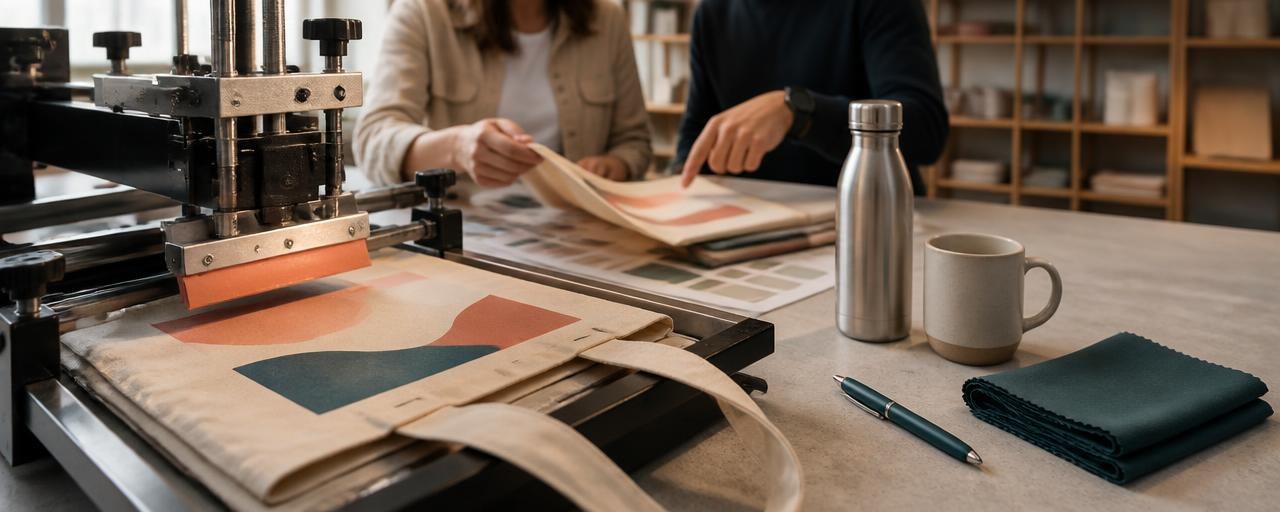
PSI identifies decoration technologies as part of the event’s offer. Visitors can use a product conversation to ask how a logo or artwork can be applied, what files are needed, which surfaces are suitable and how the method affects appearance, durability, colour and production time. A sample can help reveal whether a finish meets the campaign brief. Separate what has been demonstrated from what still needs a production sample or written specification.
What makes PSI useful for a focused visit?
A cross-section of the supply chain
PSI describes a participant mix that includes producers and suppliers alongside importers, distributors, agencies and marketers. That breadth is useful when a visitor needs to understand several parts of the supply chain, not just browse finished goods. A buyer can discuss a product with a supplier, while a distributor can explore whether the supplier’s range and support model match its customer base.
Product ideas connected to customisation
Promotional merchandise is selected for both the object and the way it communicates a brand or message. PSI’s stated focus on products, decoration technologies and brand communication connects product selection with personalisation. Bring the intended application and artwork requirements so that discussions can move beyond a general product demonstration to questions about fit, finish and production.
Evidence from the previous edition
The official report for 2026 described a Newcomer Area, product innovations and an AI-focused keynote, workshops and consultations. It also reported attention to sustainability, longer-lasting promotional products, transparent supply chains, digital services and 3D printing. These examples can help visitors decide what to ask about, but they should be treated as previous-edition context only. Confirm the 2027 programme and exhibitor details with the organiser rather than assuming a feature will return.
What should you aim to achieve at Cologne PSI?
“See what is new” is too broad to guide a useful visit. Choose a practical objective that matches your role and can be reviewed afterwards. The objective need not be a promised purchase or a guaranteed business result; it should help you decide which conversations and product comparisons deserve your time.
If you are buying for a campaign
Set a clear brief: the audience, use, approximate quantity, delivery window, material expectations, decoration needs and any product-specific compliance checks. Your objective could be to identify a small shortlist of products and suppliers for follow-up samples. Record why each option fits, what evidence is missing and what would disqualify it.
If you distribute or import promotional goods
Choose one or two product groups where you need new options or a stronger supply relationship. Your objective could be to compare several suppliers on range, customisation, fulfilment and support. Capture the commercial questions that must be resolved before you make a portfolio or representation decision.
If you work in marketing or an agency
Start with the communication task, not with a product trend. Your objective could be to find product formats that suit a defined audience and use case, then compare how materials and decoration alter the idea. Note which concepts need client approval, samples, budget review or a product-safety check.
If you exhibit
Choose what you need to learn from the trade audience as well as what you wish to present. Your objective might be to explain one range clearly, collect qualified enquiries or assess interest in a defined application. Decide how you will record the question, contact, product and next step so conversations can be followed up consistently.
How to prepare before Cologne PSI
- Write your brief. Note the audience, campaign or sourcing need, product use, relevant quantity range, required arrival date and any design or material constraints. Keep must-have requirements separate from preferences.
- Set comparison criteria. Decide how you will compare products: material, construction, decoration, durability, packaging, lead time, minimum order, documentation and total commercial terms. Use the same questions for comparable suppliers.
- Make a target list. Use the organiser’s current exhibitor and product information when it is available to identify companies and categories worth prioritising. The product-directory page reviewed showed product-group filters but no individual product results, so check its live status closer to the visit.
- Prioritise conversations. Group targets into essential, useful and optional. If an exhibitor or supplier offers a meeting request through its own channels, confirm the appointment directly; do not assume a meeting service or appointment is available unless the organiser or exhibitor confirms it.
- Prepare technical questions. For textiles, ask about fabric, sizes, print or embroidery. For drinkware or household goods, ask about materials, care and intended use. For electronics, ask which product safety and market documents apply. For any category, ask for samples or written specifications where a decision depends on details.
- Check registration and access. The official PSI site provides a visitor registration route. Confirm current registration conditions, any admission charge and the documents you need directly with the organiser. Review the venue’s travel updates, especially the published rail-station closure information for January 2027.
- Plan for follow-up. Decide how you will capture contacts and product details, who will review samples and who can approve next steps. Leave time after the event to compare notes and request information while conversations are still fresh.
How to use the event floor and visitor tools
Divide your time by objective, not by the number of aisles you hope to cover. Begin with the product groups that meet your brief, then reserve time for suppliers or new ideas that could broaden your options. If the organiser publishes a floor plan or exhibitor list for 2027, check it before travel and revise your route when the live information changes.
Capture product information consistently
PSI describes a Colleqt QR Code tool for paperless access to exhibitor and product information, including contact details, and an end-of-day email summary of collected information. Confirm the current availability and instructions with the organiser. If you use the tool, add your own note beside each saved item: the need it addresses, the question still open and the next action. A saved catalogue entry is not a completed supplier evaluation.
Use a short comparison record
For each promising item, record the company, product, why it is relevant, material and decoration, stated lead time, minimum order, evidence received and follow-up action. Mark details as confirmed, quoted or still to be checked. This helps prevent a vivid demonstration from being remembered as a confirmed specification and makes post-show comparison more reliable.
Keep discussions focused
Explain your role and the practical requirement in a few sentences, then ask targeted questions. If a product is not a fit, note why and move on. If it is promising, ask what would be needed for a meaningful next step: a sample, a quotation, a technical sheet, compliance documents or a follow-up meeting. Avoid sharing confidential campaign or client information unless you are authorised to do so.
Programme and learning at PSI
The official 2026 final report described a keynote on artificial intelligence and customer engagement in marketing, followed by workshops and one-to-one consultations that addressed AI applications in promotional products and marketing. It also described the Newcomer Area and product examples spanning personalised goods, umbrellas, mugs, gadgets and other merchandise. These are verified examples from the previous edition, not a promise of a 2027 speaker, workshop, special area or exhibitor.
When the 2027 programme is available, choose sessions that answer a defined question: how a technology works, what a material claim means, how a decoration method affects use, or how marketers can assess a product idea. Check the organiser’s current schedule for confirmed topics, speakers, room locations and timings. Leave room between appointments so you can follow up with a supplier or revisit a product after a session.
Travelling to Cologne PSI
The 2027 event is scheduled at Koelnmesse, known on the PSI site as the Exhibition Centre Cologne. The organiser’s venue page gives route information for rail, road and air travel. Verify current arrangements before departure, since transport works can change how you reach the grounds.
Rail and public transport
The PSI venue page states that Cologne Central Station is scheduled to be closed from 8 to 19 January 2027. Visitors are advised to use Cologne Messe/Deutz Station beside the exhibition grounds as their main arrival point. The page says long-distance trains will use platforms 11 and 12 and S-Bahn services platforms 9 and 10; some regional train journeys may need a transfer at a nearby station. The 2027 timetable was described as forthcoming, so check the organiser’s travel updates and current rail information before setting your route.
By car
The organiser identifies motorway connections from the A3, A4 and A59 and recommends visitor parking at Messeparkhaus P22a, Pfälzischer Ring 105, 50679 Cologne. Follow current on-site traffic directions and parking signs. Allow time for local traffic and verify parking availability and any applicable charges before travelling; this guide does not state a price.
By air
The official venue page identifies Cologne Bonn Airport as about 15 minutes from the venue by taxi or S-Bahn. It also names Düsseldorf and Frankfurt airports as alternatives with direct train connections to Cologne. Check the current service and transfer details for your arrival time rather than relying on a general journey estimate.
Daily opening hours
The PSI home page lists Tuesday and Wednesday opening hours as 09:00 to 18:00, and Thursday hours as 09:00 to 16:00. Confirm the final schedule with the organiser before making appointments or travel plans.
How many days should you plan?
PSI is scheduled across three days. The right visit length depends on the number of product groups, meetings and decisions in your brief. The suggestions below are planning approaches, not a claim about the time needed to see every exhibitor.
One focused day
A single day may suit a visitor with one well-defined product need and a short target list. Prioritise confirmed appointments and essential product groups, capture comparable specifications and leave a small buffer for follow-up conversations. Avoid adding distant categories simply because they look interesting if doing so would compromise the main sourcing objective.
Two days for comparison and learning
Two days can give a buyer or distributor more room to compare alternatives and revisit promising suppliers. One approach is to reserve the first day for the core target list and the second for samples, questions, programme sessions and a final comparison. Keep a record of why an option is preferred and which terms still need confirmation.
Three days for broad coverage
A three-day visit may be appropriate for visitors with several product categories, multiple appointments or combined sourcing and learning objectives. Spread the work across the days, review notes at the end of each day and change the plan when a product or meeting turns out to be less relevant than expected. A longer visit is useful only when it supports defined decisions.
Exhibiting at Cologne PSI
PSI’s official pages provide an exhibitor enquiry route and information for preparing to exhibit. Companies considering a stand should use the organiser’s current material for application requirements, stand options, prices, deadlines, technical services and rules. Those details can change and are not established here.
Before committing, define the products and audiences the stand is intended to serve. Decide what a qualified conversation means for the business: a product discussion, a distributor enquiry, feedback on a new finish, a campaign application or a potential supply relationship. Make the stand easy to understand by grouping products by use or category and showing relevant specifications alongside samples.
Prepare staff to distinguish confirmed capabilities from options that depend on order volume, artwork, materials or production schedules. Have a consistent way to record enquiries and agree who will respond after the show. Review which products attracted informed questions and which explanations were unclear; this can make the next sales conversation more useful without treating visitor interest as a guaranteed order.
After Cologne PSI: turn notes into decisions
Set aside time soon after the event to review saved product details, written notes, samples and supplier contacts. Sort them by next action: request a sample or quotation, obtain technical or safety documentation, compare terms, discuss with a client, keep for market monitoring or close as not suitable. Record the reason for each decision so colleagues can understand the comparison later.
- For a buyer, compare the candidate products against the same specification and delivery requirements.
- For a distributor, validate product availability, support, commercial terms and any proposed territory arrangement.
- For an agency or brand team, confirm that product, artwork and use case fit the campaign brief and client approvals.
- For exhibitors, follow up with the agreed information and distinguish a requested next step from general interest.
Where a product decision depends on a sample or a compliance statement, wait for the relevant evidence before treating the item as approved. A conversation at a fair is a useful starting point; the final sourcing decision still depends on suitability, documentation, cost and delivery conditions.
Cologne PSI visitor checklist
Before the visit
- ☐ Write down your campaign, procurement or distribution objective.
- ☐ Define product requirements, material preferences and any compliance questions.
- ☐ Check visitor registration and current access details with the organiser.
- ☐ Review the current exhibitor, product and programme information when published.
- ☐ Prioritise essential companies and prepare comparable supplier questions.
- ☐ Check the January 2027 rail-station closure information and plan a route.
- ☐ Decide how you will record contacts, samples and follow-up actions.
During the visit
- ☐ Follow your priority list but make room for relevant alternatives.
- ☐ Record product, company, material, decoration and next step together.
- ☐ Separate a supplier’s confirmed specification from a point that needs proof.
- ☐ Ask for samples or documents where quality or safety affects the decision.
- ☐ Use the organiser’s Colleqt QR Code information tool if available and suitable.
- ☐ Review your notes each day and adjust the route to your remaining goals.
After the visit
- ☐ Sort contacts by urgency and the next action agreed.
- ☐ Compare like-for-like product specifications and commercial terms.
- ☐ Request missing samples, written quotes or product documentation.
- ☐ Confirm campaign, client or internal approvals before placing an order.
- ☐ Record which suppliers merit another discussion and why.
Is Cologne PSI worth visiting?
Cologne PSI is most relevant to professionals sourcing or supplying promotional products, incentives and merchandising, and to agencies or marketers evaluating branded merchandise for a defined use. The reported 2026 scale, international visitor mix, product categories and programme examples give visitors concrete reasons to plan a targeted visit. The value depends on matching those opportunities to your own product brief and following up on evidence, terms and samples. Visitors who arrive without priorities may find it harder to distinguish useful options from the many possible products and conversations.
Cologne PSI 2027 at a glance
| Item | Information |
|---|
| Event | Cologne PSI |
| Full name | PSI trade fair for promotional products, incentives and merchandising |
| Dates | 12–14 January 2027 |
| City and country | Cologne, Germany |
| Venue | Koelnmesse, Exhibition Centre Cologne, Messeplatz 1, 50679 Cologne |
| Organiser | RX Deutschland |
| Main sectors | Promotional products, incentives, merchandising, textiles, decoration technologies and related product groups |
| Relevant audiences | Buyers, distributors, importers, agencies, marketing professionals, manufacturers and suppliers |
| Latest published event figures | 2026: more than 600 exhibitors; 9,735 trade visitors from 68 countries; 43 percent international visitors |
| Daily hours listed by PSI | Tuesday and Wednesday 09:00–18:00; Thursday 09:00–16:00 |
| Programme context | 2026 included a keynote, workshops and one-to-one consultations on AI in promotional products and marketing; check the organiser for 2027 details |
| Visitor information tool | Colleqt QR Code for paperless exhibitor and product information, subject to current organiser instructions |
Dates, venue and the daily schedule above are the organiser’s current published information; confirm live transport, registration and programme details before travel.
Make your Cologne PSI visit count
Choose a clear purpose, compare products against consistent criteria and leave each important conversation with a next step. PSI’s mix of merchandise, decoration and trade participants can support sourcing and campaign planning when you connect what you see to a real requirement. Discover, compare, verify and follow up.
Promotional-products opportunities in Germany
Market size and demand
The Gesamtverband der Werbeartikel-Wirtschaft reports annual promotional-products industry sales of 3.33 billion euros in Germany in 2024, down 0.8 percent from 3.36 billion euros in 2023. This is a broad industry turnover figure, not a product-category forecast or a measure of demand for any individual exhibitor. It gives buyers and suppliers a dated market-level reference, while the decline is a reason to test assumptions about specific customer groups and product lines.
Regulations and market-entry conditions
Regulation (EU) 2023/988 on general product safety has applied since 13 December 2024 to consumer products within its scope. It sets a general safety framework and operates alongside more specific product legislation. Promotional goods suppliers should identify the intended use and check which obligations apply to each item; electronics, textiles, drinkware and other product types may involve additional requirements. Confirm product-specific documentation with the responsible supplier or a qualified compliance adviser.
What this may mean for exhibitors
Manufacturers, importers and distributors exhibiting at PSI could use the German market’s reported 2024 turnover as context for testing whether their range and route to market merit further investigation. The aggregate figure does not establish category growth, buyer access or commercial viability. Companies should validate demand, compliance, price position and channel terms for their own products before committing resources.
What this may mean for visitors
Buyers and marketing teams could use the fair to compare product and decoration options against defined campaign needs, then check which suppliers can meet the relevant specifications and safety requirements. The market total is not evidence that a particular item will perform well; product-level fit, customer demand and fulfilment conditions still need to be established.
For further information, please click
here .