APLF Leather 2027: leather and materials sourcing
APLF Leather is scheduled for 31 March to 2 April 2027 at the Hong Kong Convention and Exhibition Centre, Hong Kong. Organised by APLF Ltd, the international trade fair connects suppliers and buyers across leather production, processing and downstream fashion, footwear and leather-goods applications. The organiser's 2026 post-show report records more than 10,000 visitors from 66 countries and regions and over 500 exhibitors. For buyers, designers, tanners and suppliers, the practical value lies in comparing materials and production options against defined product, quality and sourcing requirements.
Why APLF Leather matters
Compare materials across the leather chain
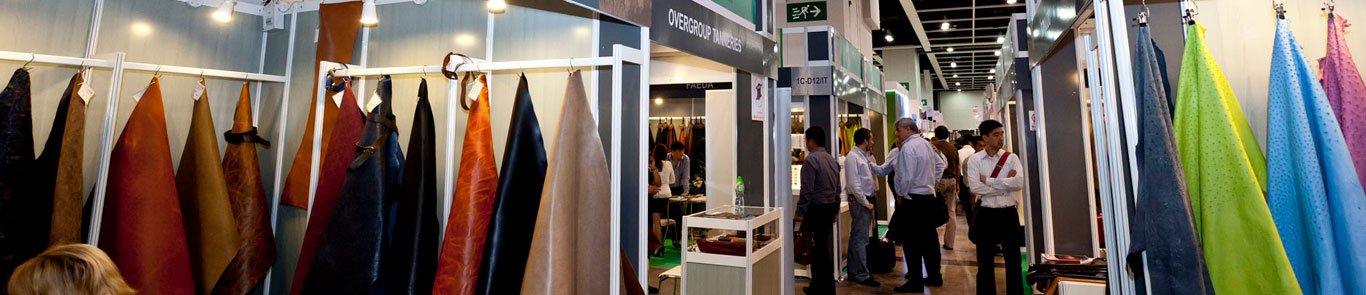
The official exhibitor sectors span hides and skins, wet-blue and crust leather, finished and exotic leather, machinery and parts, tanning and finishing chemicals, release paper, and technology and testing services. Seeing these categories together can help buyers connect a material choice with its processing requirements and intended application.
Bring sourcing and product development together
APLF's official 2027 information presents the event as a meeting place for manufacturers, designers, retailers and innovators. Buyers can use the mix to investigate alternatives; product teams can compare surface, performance and supply options before deciding which samples or specifications need further review.
Use the scale as context, not a forecast
The organiser's 2026 post-show report says the fair attracted 10,000+ visitors from 66 countries and regions and included 500+ exhibitors. These are figures for the completed 2026 edition, not guaranteed attendance or exhibitor numbers for 2027. The official 2027 page describes a programme of forums, trend areas and matchmaking; check the organiser's current information for updates.
Who should visit APLF Leather?
Leather, footwear and leather-goods buyers
Useful if you source hides, finished leather, exotic leather, footwear components or materials for bags and accessories. Prepare a product brief covering target use, finish, thickness, performance, compliance and expected volumes. Compare suppliers against the same criteria and note which details require samples or technical documentation.
Tanners, processors and production teams
Useful if you are assessing machinery, parts, chemicals, release paper or testing services. Map the process stage you want to improve, then ask about throughput, operating requirements, maintenance, consumables, technical support and compatibility with your existing line. Separate a promising demonstration from evidence that needs validation at your facility.
Designers, brands and product developers
Useful if you are exploring material directions for fashion, footwear or lifestyle products. Record the intended product, performance needs, finish and colour direction, and any constraints on sourcing or production. Trend areas and material displays may prompt ideas, but confirm availability, specifications and lead times with suppliers.
Importers, distributors and sourcing agents
Useful if you are building a supplier shortlist or evaluating categories for a portfolio. Compare product range, export experience, documentation, minimum order conditions and after-sales support directly with each company. Use the event to identify questions and possible contacts rather than assuming a meeting guarantees a commercial outcome.
What can you find at APLF Leather?
Hides, skins and leather materials
- Hides and skins
- Wet-blue and crust leather
- Finished leather
- Exotic leather
Buyers can compare material stages and finishes with the intended end product. Ask for the relevant grades, processing details and sample conditions before making a purchasing decision.
Machinery, process inputs and services
- Leather machinery and parts
- Tanning and leather-finishing chemicals
- Release paper
- Technology and testing services
For production teams, these categories link process equipment and consumables with quality-control needs. Bring the current process specification and identify the performance or maintenance question that matters most.
Fashion and footwear sourcing
The fair's material and component focus supports sourcing conversations for footwear, fashion and leather goods. Confirm which specific components and product suppliers are present in the current exhibitor information; the event listing does not establish the availability of any individual brand or product.
What makes APLF Leather distinctive?
It brings upstream leather materials and production inputs into a sourcing setting used by downstream fashion and footwear professionals.
The official 2027 page identifies hides and skins, leather at several processing stages, machinery, chemicals and testing services, alongside trend and industry programming. This combination can help visitors relate a design or purchasing requirement to the material and process behind it. The organiser also promotes matchmaking and specialised forums; check the latest programme to confirm the sessions and arrangements available for the 2027 edition.
Set a useful objective for APLF Leather
If you are a buyer
Set a measurable goal such as shortlist three suppliers for one material category and record the specifications needed for a sample comparison. Define the product application, quality requirements and order conditions in advance.
If you work in tanning or manufacturing
Choose one process question, such as reducing a finishing bottleneck or assessing a machinery component. Record the current process, required output and service expectations so supplier discussions can focus on fit rather than broad claims.
If you are a designer or brand team
Identify the product range and material direction you are developing. Compare colour, texture, finish and performance, and note which options need swatches, testing or confirmation of production availability.
How to prepare before APLF Leather
1. Define your sourcing brief
Write down product use, material stage, finish, thickness or performance needs, relevant documentation and target volumes. Separate essential requirements from preferences so you can compare supplier responses consistently.
2. Build a focused company list
Review the organiser's current exhibitor information and group companies by material, machinery, process input or service. Prioritise essential meetings, then add alternatives that could help you compare price-quality trade-offs, technical support or supply options.
3. Prepare technical questions
For leather and components, ask about grading, consistency, finish, sample availability, production capacity and documentation. For machinery and chemicals, ask about line compatibility, operating conditions, consumables, maintenance, testing and service support. Confirm commercial terms directly with the supplier.
4. Plan conversations and evidence
Where the organiser's matchmaking arrangements are available, check their current process and schedule. Keep a record for each discussion: company → category → specification → evidence or sample required → next action. Do not treat a trend display or brief demonstration as a substitute for technical evaluation.
Make the most of the exhibition
Group your route by material or process stage to reduce repeated comparisons. Capture product identifiers and the supplier contact responsible for follow-up. When two materials appear similar, compare them against the same application, finish, consistency, documentation and supply criteria. Ask which claims can be supported with a technical sheet, test result or sample.
Forums, trends and industry exchange
The organiser's 2027 information promotes forums and specialised conferences on leather, footwear and sustainability, as well as curated trend areas. These are useful signals of the subjects the organiser intends to feature, but the final session timetable and speakers should be checked in current event information. Select sessions that answer a sourcing, production or product-development question, and reserve time to follow up with relevant exhibitors.
Travelling to APLF Leather
The organiser identifies Hong Kong Convention and Exhibition Centre in Wan Chai as the venue and describes access by Hong Kong's public transport system. Check current local transport and venue guidance before travelling, and allow time for registration and movement between the exhibition and any scheduled sessions.
One day or several days at APLF Leather?
One day
A focused day may suit visitors with a short supplier list and one or two material categories. Arrange priority conversations first and leave time to compare notes before leaving.
Two days
Two days can allow a buyer to inspect materials first, then revisit shortlisted suppliers or machinery and service providers with more specific technical questions.
All three days
Consider the full three-day schedule if you need to cover several parts of the supply chain, attend relevant forums and conduct follow-up conversations. Build in time to organise samples and notes rather than filling every hour with meetings.
After APLF Leather: evaluate and follow up
Sort contacts into immediate sample or specification review, potential supplier fit and broader market intelligence. Request missing grades, test information, machinery details, service conditions or commercial terms. Compare options with production, design and procurement colleagues using the same criteria. Assign an owner and date to each next step, and verify availability and delivery details before committing to a purchase or product change.
Who should consider exhibiting at APLF Leather?
The official exhibitor sectors include suppliers of hides and skins, leather processors, machinery and parts, tanning and finishing chemicals, release paper, and technology and testing services. Participation may be relevant to companies seeking conversations with buyers, manufacturers, designers and retailers in the leather, footwear and fashion materials chain. Before committing, define target buyer groups, the samples or technical expertise your team will present, and how you will qualify and follow up enquiries. The organiser's 2027 information promotes matchmaking and industry forums, but exhibition participation does not guarantee leads, sales or partnerships.
APLF Leather visitor checklist
Before
- Set a sourcing, production or product-development objective.
- Prepare a written specification and shortlist relevant exhibitor categories.
- Check the current programme, registration information and transport guidance.
- Prepare questions on materials, grading, processing, testing and supply terms.
During
- Record company names, material or equipment identifiers and next actions.
- Request samples or technical documents where they will help comparison.
- Separate verified specifications from impressions or preliminary claims.
- Review notes daily and refine the next day's route.
After
- Compare supplier responses against the same requirements.
- Follow up for missing samples, tests, service details or commercial terms.
- Share findings with design, production and procurement stakeholders.
- Record a decision owner and deadline for each shortlisted option.
Is APLF Leather worth visiting?
APLF Leather is most useful for professionals who need to compare leather materials, process inputs, machinery or supplier options across a defined sourcing or production brief. Its published sectors span several stages of the leather chain, and the organiser's 2026 report shows international participation. The value of a visit depends on translating that breadth into specific comparisons and verifying samples, specifications and terms after conversations.
APLF Leather 2027 at a glance
| Item | Information |
|---|
| Event | APLF Leather |
| Date | 31 March–2 April 2027 |
| Venue | Hong Kong Convention and Exhibition Centre, Wan Chai, Hong Kong |
| Organiser | APLF Ltd |
| Main sectors | Hides and skins; leather; machinery and parts; tanning and finishing chemicals; release paper; technology and testing services |
| Latest published scale | In 2026, 10,000+ visitors from 66 countries and regions and 500+ exhibitors, according to the organiser |
| 2027 programme | The organiser promotes forums, matchmaking and trend areas; check the latest timetable for confirmed details |
Make APLF Leather a purposeful visit
Choose the material, process or supplier decision you want to advance, then record what evidence and follow-up it requires. Specify. Compare. Verify. Source. Follow up.
Leather and fashion-material opportunities in Hong Kong
Market context
Hong Kong Trade Development Council Research reported that Hong Kong's leather consumer-goods exports fell 7% year on year to HK?.9 billion in the first half of 2026; re-exports accounted for more than 99% of the total. This describes trade flows in consumer goods, not demand for every leather input or a forecast for the fair.
Opportunities for exhibitors
- Leather-material, component and machinery suppliers may use the event to explore contacts among international buyers and sourcing businesses operating through Hong Kong, then assess whether their products and service model fit those customers.
- Companies should verify relevant product requirements, documentation and distribution arrangements before treating a conversation as a market-entry opportunity.
Opportunities for visitors
- Buyers may compare international material and process options in one place and identify suppliers for later sample, quality and commercial checks.
- Design and production teams could use the Hong Kong sourcing setting to investigate alternatives for footwear, fashion and leather goods, while validating supply capacity and product fit directly.
The export figure and high re-export share indicate Hong Kong's role in cross-border leather consumer-goods trade, but they do not establish demand for a specific product. The market may be relevant to participants whose sourcing or distribution model fits the region's trade links and customer requirements.
Discover Hong Kong
Hong Kong combines a dense harbour cityscape with museums and cultural venues. The exhibition centre is in Wan Chai on Hong Kong Island, within the city, so visitors can plan city experiences around business commitments without confusing the venue district with a separate municipality.
The Peak
The Hong Kong Tourism Board describes The Peak as a viewpoint for the city's skyline, reached by the historic Peak Tram. It offers a contrast to the harbour-level exhibition district and a way to see the urban landscape from above.
Hong Kong Palace Museum
The Hong Kong Tourism Board highlights the museum's galleries and collections, including ceramics and jade, as well as views across Victoria Harbour. Check current visitor information before planning a visit, and fit cultural time around the fair programme.
For further information, please click
here .