Istanbul Expomed Eurasia 2027: a practical guide
Expomed Eurasia is an international trade fair for medical devices, laboratory technologies and healthcare products. The next edition is scheduled for 15–18 April 2027 at Tüyap Fair and Congress Center in Büyükçekmece, Istanbul, Türkiye. Reed Tüyap Fairs Inc. organises the event. Its scope connects equipment manufacturers and suppliers with healthcare providers, medical technology buyers, laboratory professionals, distributors and other sector participants.
Use the fair as a structured product and market-research visit rather than trying to inspect every stand. Decide which equipment or supply decisions matter to your work, identify the product groups that fit those decisions, and record what you learn in a way that supports follow-up after the event.
Why Istanbul Expomed Eurasia matters
Compare connected medical technology categories
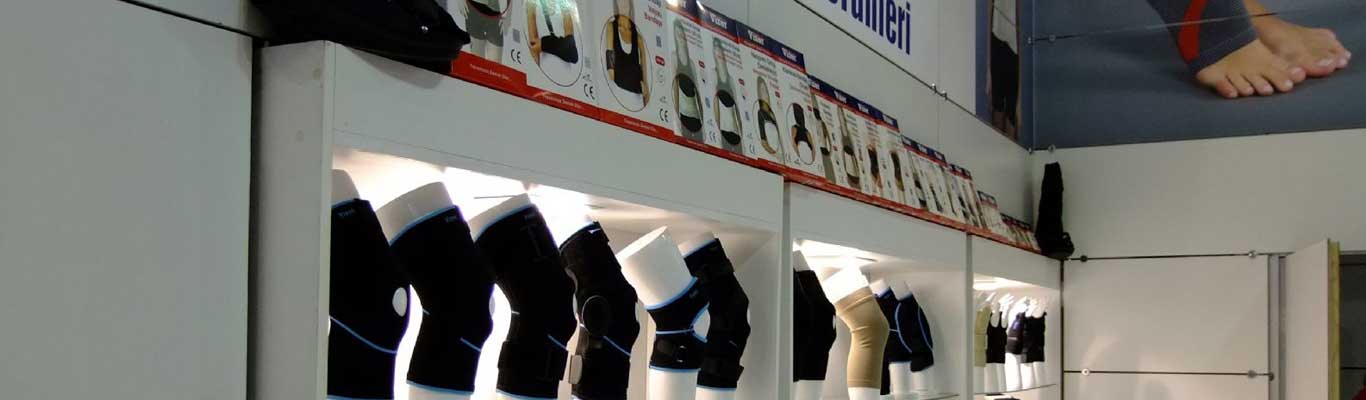
The fair covers electro-medical and laboratory technologies, diagnostics, medical consumables, orthopedics, physiotherapy and rehabilitation, hospital construction and facility management, and over-the-counter healthcare products. Seeing connected categories together can help procurement teams and distributors compare potential solutions across several needs rather than evaluating each product in isolation.
Connect product research with operating requirements
Medical equipment decisions involve more than the purchase price. Technical specifications, intended use, interoperability, installation, maintenance, training, consumable availability and regulatory documentation may all affect suitability. Visitors can use direct product discussions to identify which details need written confirmation before a purchasing or distribution decision.
Follow current sector discussion
The organiser's account of the 2026 edition highlighted productive healthcare, digitalisation in healthcare and domestic production. It also described an Innovation Area where entrepreneurs, universities, technology centres, professionals and investors encountered emerging healthcare technology projects. These are examples from the previous edition, not a promise that the 2027 programme will repeat them.
Understand the scale of the previous edition
In 2026, the organiser reported more than 500 exhibiting companies and company representatives from 25 countries, and 19,308 visitors. It also reported 4,208 international visitors from 133 countries. These reported figures describe the 2026 fair and provide context for its international reach; they are not forecasts for 2027.
Who should visit Istanbul Expomed Eurasia?
The event is most useful when visitors arrive with a defined healthcare technology, supply or sourcing question. The audience groups below are grounded in the fair's published product scope and the organiser's account of the previous edition; specific job-title attendance figures have not been published in the sources used here.
Hospital, clinic and healthcare-provider teams
For healthcare providers reviewing equipment or services, prioritise products that fit a real operational requirement. The fair's electro-medical, diagnostic, consumable and hospital-facility categories support product research across clinical and institutional needs.
- Compare equipment intended for the service areas you support.
- Ask how a device is installed, maintained and serviced locally.
- Check compatibility with existing infrastructure and workflows.
- Clarify consumables, accessories and replacement-part requirements.
- Separate features demonstrated at a stand from claims that require written specifications or validation.
- Record what must be assessed by clinical, biomedical engineering, IT, finance or procurement colleagues after the fair.
Useful outcome: a short list of technically plausible options and the outstanding questions your internal team must resolve.
Medical and laboratory procurement teams
Procurement professionals can use the event to build a comparable view of suppliers across medical and laboratory products. A fair conversation is an initial screening step, not a substitute for tender rules, product registration, technical evaluation or internal approvals.
- Bring the required use case, specifications and purchasing timeline.
- Ask suppliers to distinguish standard configurations from optional components.
- Compare service coverage, consumable availability, warranty terms and delivery assumptions.
- For diagnostic and laboratory systems, record throughput, sample requirements, calibration and maintenance questions relevant to your facility.
- Identify which documents your technical and compliance teams need before evaluation.
- For public-sector purchasing, verify procurement requirements through the responsible institution rather than relying on a trade-show conversation.
Useful outcome: a documented comparison set with the same questions asked of each shortlisted supplier.
Distributors, importers and channel partners
Distributors and importers can assess whether product lines complement their portfolio and whether prospective suppliers can support the intended market. The event's range of devices, consumables, rehabilitation products and over-the-counter healthcare products gives channel teams several categories to investigate.
- Define the customer segment, territory and product group you want to develop.
- Ask about authorised-channel expectations and existing representation.
- Check product-registration responsibilities, language and documentation needs, and local service arrangements.
- Discuss minimum order quantities, lead times, training, spare parts and after-sales support only where the supplier can provide documented terms.
- Compare products against competing or complementary lines already in your catalogue.
- Record whether the next step is a technical review, market check, sample request or distribution discussion.
Useful outcome: a qualified shortlist for follow-up, not an assumption that a meeting guarantees territory or commercial terms.
Medical technology manufacturers, entrepreneurs and research organisations
Manufacturers and technology developers can use the fair to understand how their products relate to hospital, laboratory and distribution needs. The previous edition's Innovation Area included entrepreneurs, universities, technology centres, industry professionals and investors, making innovation and commercialisation a documented part of the event's recent profile.
- Prepare a concise explanation of the problem addressed and the intended user.
- Bring non-confidential technical information that helps a visitor assess product fit.
- Identify the validation, quality, registration or manufacturing questions that remain open.
- For possible collaboration, distinguish a request for feedback from a proposal for research, pilot work or distribution.
- Ask potential partners what evidence and decision process they require before a next meeting.
Useful outcome: better-defined product feedback and specific, permission-based follow-up discussions with relevant organisations.
What can you find at Istanbul Expomed Eurasia?
Electro-medical equipment and medical technologies
This category covers medical devices and electro-medical systems. Visitors may compare intended use, technical configuration, installation requirements, service arrangements and supporting accessories. Check each product's documentation and confirm whether the displayed configuration is the one offered for your market.
Medical and laboratory technologies
Laboratory and diagnostic equipment supports testing, measurement and related workflows. Ask about sample types, throughput, calibration, consumables, service intervals, software requirements and compatibility with laboratory processes. These are evaluation prompts, not claims that each listed feature applies to every exhibited product.
Medical consumables and commodities
Consumables can have recurring supply, storage, compatibility and quality-assurance implications. Compare the product specification, packaging and intended use, then ask suppliers how availability, substitutions and ordering arrangements are documented.
Orthopedics, physiotherapy and rehabilitation
This product group includes equipment and products associated with orthopedic care, physiotherapy and rehabilitation. Visitors can compare design, adjustment, supported use cases, maintenance and the information required for professional assessment.
Hospital construction and medical-facility management
Facility-related solutions can affect room planning, utilities, workflow, installation and ongoing operations. If you are working on a project, bring relevant technical constraints and confirm which planning details need review by your engineering and clinical teams.
Over-the-counter healthcare products
The fair's published scope includes over-the-counter healthcare products. Buyers and distributors should clarify product classification, labelling, documentation and applicable authorisation requirements with qualified advisers and relevant authorities before placing products on a market.
Healthcare innovation and digital solutions
The organiser reported digital health and AI-powered healthcare among the themes and product developments highlighted in 2026. Treat these as previous-edition examples. When assessing a technology, ask what data it uses, how it fits existing systems, what evidence supports its intended function and who is responsible for implementation and maintenance.
What makes Istanbul Expomed Eurasia distinctive?
Its published scope spans clinical equipment, laboratories, rehabilitation, facility needs and healthcare products within one trade-fair setting. That breadth can be useful for visitors whose responsibilities cross departmental boundaries or whose sourcing work involves several related categories.
The organiser's 2026 report also described an Innovation Area established with contributions from the Health Institutes of Türkiye and in cooperation with the Istanbul Health Industry Cluster Association. It brought entrepreneurs, universities and technology centres into contact with industry professionals and investors, and included panels on opportunities and challenges from an entrepreneurial perspective. This is evidence of a previous-edition feature only; check the organiser's programme for any 2027 equivalent.
The same report described business meetings, procurement engagements and business-development activity, alongside products from medical devices and consumables to orthopedic products and life technologies. For visitors, the practical distinction is the opportunity to investigate products and sector discussion in one place, while still verifying claims and terms independently.
What should you try to achieve at Istanbul Expomed Eurasia?
If you work in a hospital or care provider
Leave with a decision-ready shortlist for one defined equipment or supply requirement. Set the clinical or operational use case, list non-negotiable specifications and identify who must review the options. Capture service, installation, consumables and documentation questions for each supplier.
If you are a procurement professional
Compare several suppliers against the same evaluation questions. Use a consistent record for product configuration, documents, local support, lead-time assumptions and unresolved issues. Do not treat a verbal answer as a formal offer or as a procurement approval.
If you are a distributor or importer
Identify a small number of product lines that fill a defined portfolio need. Check representation, regulatory responsibilities, after-sales support and the supplier's willingness to provide current written materials before investing time in commercial negotiation.
If you are a manufacturer or technology developer
Test whether your product's value proposition is understandable to its intended professional user. Ask for specific feedback, document recurring questions and distinguish interest from a validated purchase requirement or partnership commitment.
How to prepare before Istanbul Expomed Eurasia
1. Define the decision you are trying to make
Write down the question that makes the visit worthwhile. Examples include identifying equipment options for a laboratory workflow, evaluating rehabilitation products for a defined service, checking alternatives for recurring consumables or exploring a distributor for a product category. A focused question helps you decide which conversations merit time.
2. Map the decision-makers and technical reviewers
List the people whose judgement is needed after the fair: clinical users, laboratory leads, biomedical engineers, IT or data teams, procurement, finance, compliance or facility planners. Note what evidence each person needs. If you are a distributor, include regulatory and service capabilities as well as sales potential.
3. Use organiser information as it becomes available
The official site provides exhibitor and product-list sections and promotes the MyTüyap digital fair experience. Check the organiser's current pages for the 2027 list, product categories, map, registration and any application or digital planning tools before travelling. The pages reviewed include material for the previous edition; do not assume a 2026 list or feature is the 2027 version.
4. Build a priority list
Classify companies or product groups as A — essential, B — useful and C — explore if time allows. Give each A priority a reason linked to your need. Keep the list short enough to allow for a substantive technical conversation and time to record what you learned.
5. Prepare medical-technology questions
- What intended use and user group is this product designed for?
- Which configuration, accessories and consumables are included?
- What installation, utilities, training or integration requirements apply?
- What maintenance, calibration, spare-part and service arrangements are available?
- Which product documentation, conformity evidence and registrations can be supplied?
- What evidence supports performance claims for the intended use?
- How does the supplier handle software updates, cybersecurity and data exchange, where relevant?
- What are the assumptions behind availability, delivery and product support?
- For distribution, what are the channel, territory and after-sales responsibilities?
- What is the next verifiable step, and who will provide the required information?
Adapt this list to the product category. A question about calibration may matter to a laboratory analyser, while installation and room constraints may be central to hospital equipment.
6. Bring project information without exposing unnecessary confidential data
For a facility or equipment project, prepare non-sensitive requirements such as intended workflow, available space, utility constraints, capacity needs, procurement timing and internal review steps. Share detailed or confidential documents only through an approved process and with the appropriate permission.
7. Plan a record for every useful conversation
Use the same notes format throughout the fair: Company and product → fit to requirement → evidence received → open technical or regulatory questions → contact and consent → next action and owner. This keeps an interesting conversation from becoming an untraceable business card.
How to make the most of Istanbul Expomed Eurasia
Start with your A priorities, then use the product categories to explore adjacent options. At each stand, explain the application you are assessing and ask a few comparable questions. If the response is promising, agree what material the supplier will send and who will follow up. Keep time for note-taking and internal discussion; a larger number of conversations is not necessarily a better result.
For example, a laboratory buyer comparing diagnostic equipment might record sample type, workflow fit, calibration, consumables, maintenance and documentation for each option. A hospital team reviewing electro-medical equipment might add installation, utilities, interoperability, service coverage and staff training. A distributor assessing a consumable line might prioritise product classification, local authorisation responsibilities, availability and channel support.
Use the current MyTüyap and organiser tools only after confirming that they apply to the 2027 edition. If an exhibitor list or map is available, filter it by the products tied to your objective. Do not infer an exhibitor's current range from a broad company name alone; verify the specific product and its status directly.
Beyond the exhibition floor at Istanbul Expomed Eurasia
The organiser's account of the previous edition described discussion of productive healthcare, digitalisation in healthcare and domestic production. It also highlighted an Innovation Area with entrepreneur, university, technology-centre, industry and investor participation, plus panels concerning the challenges and opportunities of entrepreneurship. These examples can help visitors identify themes to watch, but the next edition's schedule and any repeat features should be checked on the organiser's current programme pages.
If conferences, demonstrations or special areas are announced for 2027, select them against your objective rather than trying to attend everything. Record one practical point from each session, the source or speaker responsible for the claim, and how it changes a product or procurement question.
Networking at Istanbul Expomed Eurasia
Prepare a brief introduction that states your organisation's role, the healthcare setting or product group relevant to you, and what you hope to learn. For supplier conversations, be specific about the intended use, market, project stage and support needs. For a technology developer, explain the product's readiness accurately and identify the kind of feedback or collaboration you are seeking.
Ask permission before adding a contact to a mailing list or sharing their details. Before a conversation ends, agree whether a follow-up is appropriate and what information would be useful. A meaningful next step might be a technical document, a product demonstration, a compliance review or an introduction to the correct product specialist; do not assume that interest guarantees a deal or access.
Travelling to Istanbul Expomed Eurasia
The event site identifies Tüyap Fair and Congress Center in Büyükçekmece, Istanbul, as the venue. Its transportation page lists Metrobus, Rail System, Marmaray, Istanbul Airport, Sabiha Gökçen Airport and car information. The exact route and event-day arrangements should be checked in the organiser's 2027 guidance and with the relevant transport provider before travel.
The venue is in Büyükçekmece, a district of Istanbul; it is outside the historic central districts. Plan the location in relation to your accommodation and any meetings elsewhere in the city. Do not assume that a route, shuttle, airport transfer or travel time described for a past edition will operate in 2027.
One day or several days at Istanbul Expomed Eurasia?
The 2027 fair is scheduled across four days. How long to attend depends on the number of product categories, technical discussions and programme sessions that matter to you; the schedule and layout for the new edition should be checked when released.
One day
A focused day may suit a visitor with one product category, a short supplier shortlist and pre-arranged priorities. Select the essential conversations first, leave time for note-taking and avoid adding unrelated categories unless the main objective is complete.
Two days
Two days can allow a buyer or distributor to separate broad market scanning from detailed technical discussions. Use the first visit to identify relevant products and the second to revisit the strongest options with more specific questions or colleagues.
Three or four days
A longer visit may make sense when your remit spans several categories, you have a project requiring multiple technical reviews or the organiser publishes sessions relevant to your work. Build a realistic daily plan and leave buffer time for follow-up conversations rather than trying to cover every stand.
Istanbul Expomed Eurasia is particularly valuable if you have a project
Bring a clear, non-confidential brief: the care or laboratory context, the product function needed, relevant technical constraints, intended users, implementation timing and the internal approval route. For facility projects, include room or utility constraints that can be shared safely. For a procurement or distribution review, identify the documentation, service, registration and commercial terms your team needs to evaluate.
Use the event to discover what should be assessed next, not to bypass clinical, engineering, regulatory or procurement checks. If a solution appears suitable, record its exact model or configuration, the supplier contact, evidence still required and the person responsible for follow-up. Confirm that the eventual proposal matches the product discussed at the stand.
After Istanbul Expomed Eurasia: where the value starts
Within a short time after the visit, sort notes into three groups:
- A — Immediate review: products that appear to match a live requirement and need technical, clinical, regulatory or procurement assessment.
- B — Potential: products or suppliers that may fit a future project, distribution line or research question but need more information.
- C — Market intelligence: product trends, alternative approaches and recurring issues that inform planning without an immediate purchase.
For each A contact, send a concise follow-up that names the product or conversation, asks for the specific missing documents or details and sets an agreed next step. For equipment, request the applicable technical specifications, configuration, service information, training and compliance material. For consumables, confirm product identifiers, packaging, availability and quality documentation. For software-enabled products, identify the data, integration and security questions for the relevant specialists.
Compare supplier information on a like-for-like basis. Check whether the stated product, accessories and service assumptions match your requirement; verify regulatory status and procurement conditions with the appropriate people; and document reasons for excluding an option. Keep contact details and follow-up records only in accordance with your organisation's policies and the other person's consent.
Who should consider exhibiting at Istanbul Expomed Eurasia?
The event's published categories are relevant to manufacturers, brands, technology providers and suppliers working in medical devices, electro-medical equipment, laboratory technologies, diagnostics, consumables, orthopedics, physiotherapy and rehabilitation, hospital facility solutions and over-the-counter healthcare products. The organiser reported more than 500 exhibiting companies and company representatives from 25 countries in 2026; that figure is a previous-edition report, not a guarantee of the 2027 audience or results.
Before committing to exhibit, set a measurable objective such as testing a product proposition with a defined professional group, presenting a new configuration, identifying potential distribution partners or gathering structured feedback on service requirements. Build the stand plan around the product's intended user and evidence, not only its visual appeal. Prepare accurate product documents, staff who can answer technical questions and a process for recording consent-based follow-up.
For medical products, make clear which claims are supported, which authorisations apply and what remains subject to review. Do not imply that a meeting, visitor count or product demonstration guarantees orders, approvals or partnerships. Confirm current exhibitor terms, deadlines, stand services and regulations directly with the organiser.
Istanbul Expomed Eurasia visitor checklist
Before the fair
- ☐ Define the equipment, product or market question that justifies the visit.
- ☐ Identify the clinical, laboratory, procurement or distribution colleagues who must review the findings.
- ☐ Check the official 2027 exhibitor list, product categories, registration and digital tools when published.
- ☐ Mark essential suppliers and sessions, and confirm that the information refers to the 2027 edition.
- ☐ Prepare comparable product questions and a simple note-taking template.
- ☐ Confirm current venue access and travel requirements through official sources.
During the fair
- ☐ Ask about intended use, configuration, service, consumables and required documentation.
- ☐ Record exact product identifiers and distinguish written evidence from verbal claims.
- ☐ Note unresolved technical, regulatory, installation and procurement questions.
- ☐ Ask permission and agree a useful next step before exchanging follow-up details.
- ☐ Review notes at the end of each day and adjust priorities.
After the fair
- ☐ Sort contacts into immediate review, potential and market-intelligence groups.
- ☐ Request only the documents and information needed for your decision.
- ☐ Compare suppliers against consistent specifications and support requirements.
- ☐ Assign an internal owner and date to each agreed next action.
- ☐ Verify regulatory, clinical, engineering and procurement matters independently.
Is Istanbul Expomed Eurasia worth visiting?
The fair is most likely to be useful for people involved in healthcare equipment, diagnostics, laboratory technology, consumables, rehabilitation, medical distribution or facility projects who have a defined question to investigate. The range of categories and the organiser-reported 2026 international participation offer a basis for product comparison and sector research, while the prior Innovation Area shows that recent editions have also included technology development and entrepreneurship themes.
Value depends on matching the programme and exhibitor information to your own needs, asking comparable questions and following up with evidence-based evaluation. If you have no product or market objective, a broad walk through the fair may produce ideas but is less likely to support a clear decision. Confirm the 2027 exhibitor list, programme and visitor arrangements before finalising plans.
Istanbul Expomed Eurasia 2027 at a glance
| Item | Information |
|---|
| Event | Istanbul Expomed Eurasia |
| Official name | Expomed Eurasia |
| Date | 15–18 April 2027 |
| City and country | Istanbul, Türkiye |
| Venue | Tüyap Fair and Congress Center, Büyükçekmece, Istanbul |
| Organiser | Reed Tüyap Fairs Inc. |
| Main sectors | Medical devices, electro-medical and laboratory technologies, diagnostics, consumables, orthopedics, rehabilitation, hospital facilities and over-the-counter healthcare products |
| Relevant audiences | Healthcare providers, medical and laboratory procurement teams, distributors, manufacturers, technology developers and research organisations |
| Latest published scale | In 2026, the organiser reported more than 500 exhibiting companies and representatives from 25 countries, and 19,308 visitors |
| 2027 programme | Check the organiser's current pages for the programme and exhibitor information for the new edition |
The next edition dates and venue are published by the organiser; use current official information for registration, programme and travel details.
Plan a purposeful visit to Istanbul Expomed Eurasia
Choose one decision to advance, prepare the questions that will test product fit, and leave with documented next steps. Discover. Compare. Evaluate. Follow up.
Medical technology opportunities in Türkiye
Market size and demand
The U.S. International Trade Administration's Türkiye Country Commercial Guide, published in January 2026, estimates the medical-device market at USD 3.3 billion at the end of 2024. It reports that imported devices made up about 75% of that market, approximately USD 2.5 billion. These are estimates in the guide, not a forecast of sales available to any particular supplier. The guide also describes a healthcare system with 1,566 hospitals and 267,000 beds in 2023, plus substantial installed diagnostic capacity. Those figures offer dated context for equipment and service needs; they do not establish a product-level supply gap.
Market drivers and commercial opportunities
The guide identifies a sizeable hospital network, public and private healthcare provision, and demand for medical devices and health technologies as market context. It also notes domestic manufacturing incentives in the 12th Development Plan and growing medical-device exports. The event's categories overlap with medical devices, diagnostics, laboratory equipment, consumables, orthopedics and rehabilitation, while its previous edition highlighted digital health and AI-powered technologies.
- Device and diagnostic distribution: import share in the guide suggests international supply is material; manufacturers and distributors may investigate product fit and local channel partners. Registration, service capability and competition remain important barriers.
- Laboratory and hospital equipment: the reported hospital and diagnostic infrastructure provides context for supplier research and replacement or expansion needs. Buyers should validate procurement plans and technical specifications with each institution.
- Digital and emerging technologies: the guide describes technology start-ups and innovation ecosystems, while the fair's 2026 report highlights AI and digital-health themes. Technology providers may explore research or distribution discussions, but the sources do not establish customer demand or commercial success for a specific solution.
Regulations and market-entry conditions
The January 2026 guide states that medical devices are registered in Türkiye's Product Tracking System, ÜTS, administered by TİTCK. It says manufacturers or local authorised representatives typically provide CE-marking evidence, ISO 13485 quality-system certification, a technical file and a declaration of conformity. The guide also describes alignment with EU Medical Device Regulation and In Vitro Diagnostic Regulation requirements. Requirements depend on the product and responsible market operator; confirm current rules and product-specific obligations with TİTCK and qualified advisers before market entry.
The guide reports that public hospitals primarily procure devices and consumables through competitive tenders, while private hospitals have more flexibility to purchase directly or negotiate with suppliers. These channels differ: exhibitors should investigate eligibility, tender specifications and local representation, while visitors should confirm the route that applies to their institution and product.
What this means for exhibitors
Medical-device and laboratory suppliers could use the fair to test product fit, discuss distribution and understand the questions local providers or partners may raise. A credible market-entry plan should account for ÜTS registration, documentation, service and the distinction between public tender and private procurement channels. Market estimates and fair attendance do not guarantee buyers, approvals or contracts.
What this means for visitors
Healthcare and procurement visitors may compare domestic and imported options, ask suppliers about registration and service evidence, and use the dated market indicators as context for due diligence. Product choice should still follow clinical, technical, regulatory and procurement review. The market data supports investigation, not a conclusion that any device category is underserved.
Discover Istanbul
Istanbul combines historic districts and landmark architecture with the modern business districts of a large metropolitan city. The fair venue is in Büyükçekmece, whereas the verified heritage attractions below are in the historic city areas; plan them separately from fair attendance.
Hagia Sophia and the Sultanahmet Archaeological Park
The Istanbul Directorate of Culture and Tourism identifies Hagia Sophia as part of the Sultanahmet Archaeological Park, within the Historic Areas of Istanbul inscribed on the UNESCO World Heritage List. The site connects visitors with the city's long architectural and cultural history.
Topkapı Palace
Topkapı Palace is also included in the Sultanahmet Archaeological Park listed by the Istanbul Directorate of Culture and Tourism. Its historic setting offers a different perspective on Istanbul's imperial and civic heritage. Check current visitor arrangements directly before planning a visit.
Because the fair takes place in Büyükçekmece, allow time to plan separately for the central historic districts and verify current transport options. A business trip can combine fair meetings with a focused cultural visit without assuming particular journey times or opening hours.
For further information, please click
here .