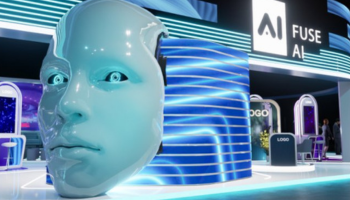
The AI Revolution Has a Playground: FUSE AI Zone at WFES 2026
News date : 2025 - 12 - 17سهیل صنیعی
what FUSE AI Zone is, and where it sits
FUSE AI makes its debut at WFES 2026 as an open, dynamic hub spotlighting AI-powered solutions for energy, smart infrastructure, and climate technology, all in one highly visible corner of the exhibition. Designed for interaction and real-world engagement, each exhibitor gets a ready-to-use 4 sqm demo pod, complete with lead-scanning tools and access to the hosted-buyer program. Strategically placed near the main conference halls (Conference Halls A and B), the zone is set to directly attract decision-makers, ministers, and industry buyers. With over 40 AI companies expected to showcase their innovations, FUSE AI promises to be a central stage for live demonstrations, networking, and dealmaking throughout the summit.
Top 3 Innovators Lighting Up FUSE AI Zone
1) Huawei
Huawei enters WFES 2026 as one of the strongest technology anchors inside the FUSE AI Zone, backed by a mature Digital Power and Smart Grid portfolio where AI serves as the operational engine rather than a peripheral feature. Their presence is expected to highlight how artificial intelligence now underpins grid-forming PV and energy-storage control, advanced forecasting systems, and real-time optimisation across large renewable assets.
Within the Zone, Huawei is poised to demonstrate practical pathways for utilities seeking algorithmic dispatch, predictive maintenance, and secure private-network telemetry. Given the company’s reach across telecommunications, cloud infrastructure, and power technologies, Huawei typically attracts an unusually broad mix of delegates—making their demo pod one of the most strategically influential locations for serious buyers and policymakers.
2) Schneider Electric
Schneider Electric arrives with a clear narrative: AI has become the analytical core of its EcoStruxure architecture. The company has been outspoken about the role of machine intelligence in turning raw operational data into measurable financial and environmental gains.
At FUSE AI, Schneider is expected to focus on building-to-grid integration, microgrid optimisation through its EcoStruxure Microgrid Advisor, and advanced energy-management use cases aimed at reducing both operational expenditure and emissions. Their frameworks are data-rich and KPI-driven, which routinely translates into strong traction among media, analysts, and commercial buyers. Schneider’s track record in delivering quantifiable outcomes makes their showcase a compelling stop for attendees looking for proven, investment-ready digital solutions.
3) Siemens / Siemens Energy
Siemens and Siemens Energy bring a deep engineering perspective to the conversation around AI adoption in critical energy infrastructure. Their work spans grid automation, dynamic line rating systems, asset-performance platforms, and power-plant optimisation services—all of which now incorporate AI as a stabilising and predictive layer. Within the FUSE AI Zone, they are expected to focus on how these capabilities strengthen grid resilience, extend asset life cycles, and enable higher shares of renewable energy with reduced operational uncertainty. Their involvement typically draws senior technical delegations, utility leaders, and large project developers—audiences that are central to high-value dealmaking and long-term technology evaluations.