LIVING&DESIGN Tokyo ٢٠٢٧
Official name: LIVING&DESIGN ٢٠٢٧ — The New Generation Housing & Living
٢٤–٢٦ February ٢٠٢٧ · Tokyo Big Sight, Tokyo, Japan.
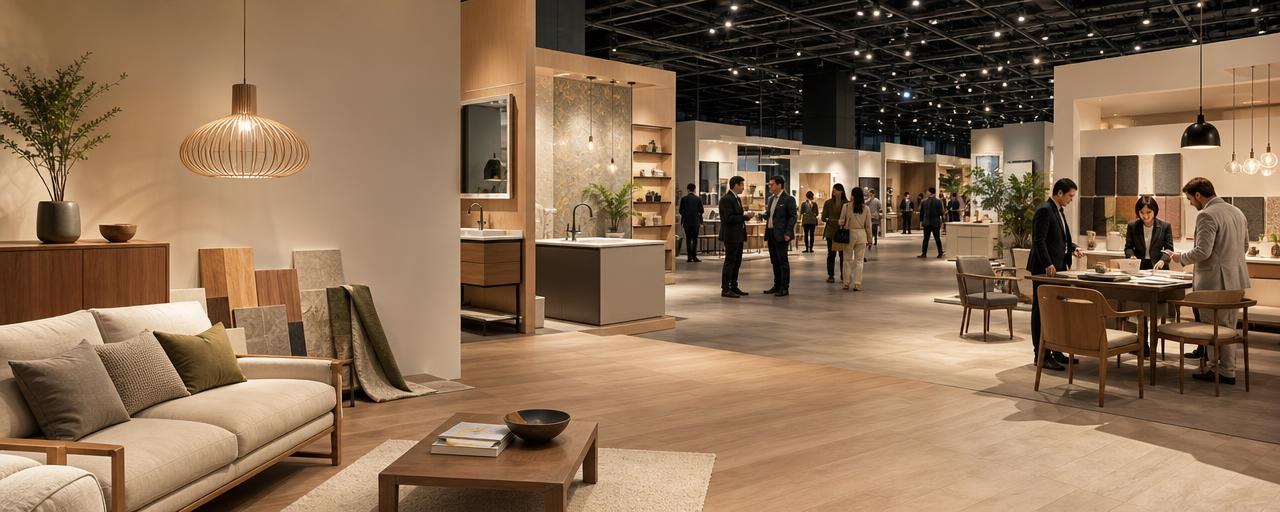
LIVING&DESIGN is a professional trade exhibition for housing, furniture and interiors, with product examples spanning renovation and building materials, lighting, home appliances, textiles, kitchen and bath equipment, and accessories. It is designed around living-space displays: a useful setting for buyers and industry professionals to compare products, discuss project requirements and explore complementary suppliers.
LIVING&DESIGN Tokyo at a glance
| Item | Information |
|---|
| Event | LIVING&DESIGN |
| Official edition name | LIVING&DESIGN ٢٠٢٧ — The New Generation Housing & Living |
| Event type | Professional trade exhibition |
| Category | Household, Furniture & Interior Design |
| Dates | ٢٤–٢٦ February ٢٠٢٧ |
| Venue | Tokyo Big Sight, Tokyo, Japan |
| Organizer | Business Guide-Sha, Inc. |
| Main product areas | Housing and renovation, furniture, lighting, home appliances, home textiles, installation equipment and interior accessories |
| Visitor audience | Buyers and professionals in furniture, housing and interiors, including retailers, distributors, construction, real estate and service businesses |
| Visitor admission | Free; prior registration is required |
The official edition page confirms the dates, venue, organiser and product scope. It does not publish visitor opening hours or attendance and exhibitor totals.
Why LIVING&DESIGN matters
See products in a living-space context
Furniture, lighting, home fittings and accessories are easier to assess when considered as part of a usable interior. LIVING&DESIGN presents a broad housing-related mix, helping visitors consider how products, finishes and fixtures may work together in real projects or retail assortments.
Compare connected categories
The exhibition spans both movable furnishings and elements integrated into a home or commercial space. Buyers can use that breadth to identify complementary suppliers, compare alternatives and ask more focused questions about materials, dimensions, installation and supply terms.
Meet a professional audience
The organiser describes the visitor audience as buyers and industry professionals from Japan and overseas. Its target groups include construction and real-estate companies, retailers and distributors, service businesses, and property owners interested in renovation or interiors.
Exhibition sectors and product groups at LIVING&DESIGN
Housing fixtures, building materials and renovation
- Housing fixtures and hardware
- Building materials
- Renovation and remodelling products
- New products for housing improvement
Furniture
- Storage furniture
- Tables
- Sofas and seating
- Furniture for residential and commercial interiors
Lighting
- Lighting equipment
- LED lighting
- Decorative and task lighting
- Lighting for interior settings
Interior home appliances
- Digital home appliances
- Visual equipment
- Audio equipment
- Home-theatre equipment
Home textiles
- Curtains
- Carpets
- Bedding
- Textiles for home interiors
Home installation equipment
- Kitchen equipment
- Bath equipment
- Vanities and washstands
- Toilets and home-environment equipment
Interior accessories and household goods
- Interior accessories
- Tableware
- Kitchen supplies
- Traditional crafts for interiors
These are product examples published for the exhibition; check the organiser’s current exhibitor information for the items represented in a particular edition.
Who should visit LIVING&DESIGN?
Construction, housing and real-estate businesses
Useful if your projects involve specifying, building, renovating or furnishing properties. The organiser identifies housing manufacturers, construction and housing-related businesses, shop-interior decorators, renovation and remodelling companies, furniture and kitchen manufacturers, and real-estate owners among its target groups.
- Builders and housing manufacturers
- Renovation and remodelling businesses
- Shop and commercial-interior contractors
- Furniture and kitchen manufacturers
- Property owners planning interior or renovation work
Retailers, importers and distributors
Useful if you are reviewing products for a retail range, sourcing new suppliers or assessing goods for distribution. The organiser names retail, specialist, department and mass-market shops, online shops, trading companies, importers, distributors and wholesalers.
- Retail and category buyers
- Importers and trading companies
- Distributors and wholesalers
- Online and specialist retailers
- Department-store and mass-retail buyers
Designers and interior professionals
Useful if you need to compare furnishings, lighting, materials and fixtures for residential or commercial projects. Designers and interior coordinators are explicitly included in the organiser’s target audience.
- Interior designers
- Interior coordinators
- Furniture and lighting specifiers
- Kitchen and home-equipment professionals
- Design and project managers
Hospitality, leisure and public-facility businesses
Useful when you are planning to refresh guest, dining, leisure or public spaces. The organiser names hotels, restaurants, food-service businesses, leisure facilities and public facilities as target visitor sectors.
- Hotel and accommodation operators
- Restaurant and food-service businesses
- Leisure-facility operators
- Public-facility managers
- Procurement and facilities managers
Why visit LIVING&DESIGN?
- Compare furniture, lighting and home products across connected categories in one visit.
- Find suppliers of fixtures, materials and renovation products relevant to a current project.
- Assess whether new products suit your retail assortment, customer base or distribution portfolio.
- Review how furniture, textiles, lighting and installation equipment can work together in a space.
- Discuss specifications, installation needs, availability and commercial terms directly with prospective suppliers.
- Explore ideas for renovation and interior upgrades in housing, hospitality, leisure and public facilities.
Why exhibit at LIVING&DESIGN?
Manufacturers and suppliers of housing, renovation, furniture, lighting, home appliances, textiles, installation equipment and interior accessories can present products to a visitor base intended for professional buyers and industry decision-makers. The organiser describes the exhibition environment as a designed living space and says booth placement is arranged around product type and venue layout, creating a setting where related products can be considered together.
The ٢٠٢٧ exhibitor information specifies a standard booth dimension of ٣ m × ٣ m × ٢.٧ m and a fee of JPY ٤٧٣,٠٠٠ including tax per booth. The application deadline shown on the official page was ٤ November ٢٠٢٦, which has passed; contact the organiser to confirm whether any participation options remain. Before committing, exhibitors should assess product fit, target buyers, distribution and after-sales requirements, and the applicable import, product-safety and labelling conditions for their own goods.
What makes LIVING&DESIGN different?
The exhibition’s stated approach is to arrange stands like a living space, with a layout intended to make the booths easy to see. Combined with its housing-related product range, this gives visitors a chance to consider furnishings, fixtures and accessories in connected interior contexts rather than as isolated product categories. The event is aimed at professional buyers and industry participants, not only design enthusiasts.
How to prepare before LIVING&DESIGN
١. Define the decision you need to make
Set a visit objective: for example, sourcing a particular furniture type, finding renovation materials, reviewing lighting options or identifying suppliers for a hospitality project. Bring dimensions, specifications, target price range and delivery requirements where relevant.
٢. Prioritise the product groups
Use the published categories to build a shortlist. Separate essential suppliers from useful alternatives and exploratory visits; the range is broad enough that a clear order helps protect time for detailed conversations.
٣. Prepare supplier questions
- What materials, finishes, dimensions and customisation options are available?
- What installation, maintenance or after-sales support is offered?
- What are the minimum order, lead time and delivery terms?
- Which product-safety, labelling or documentation requirements apply to my market?
٤. Check visitor registration and current information
Admission is listed as free with prior registration. Review the organiser’s visitor information before travelling and confirm the current exhibitor information when it is released.
How to make the most of LIVING&DESIGN
Capture each relevant conversation in a consistent format: Company → Product → Project fit → Specification to confirm → Contact → Next action. Photograph or note product details only where permitted. For furniture, record dimensions, materials and finish; for lighting, note the intended use and technical specifications; for installed products, record compatibility and installation needs. This makes post-show comparisons more useful than collecting brochures without a decision in mind.
Plan your time realistically
The ٢٠٢٧ exhibition runs for three days. A focused one-day visit may suit visitors with a short supplier shortlist. Two days can allow more time to compare products and speak with suppliers across multiple categories. Use the third day when your project spans several product groups or you need additional time for meetings and follow-up questions. Confirm the official daily opening hours before finalising travel; they were not stated on the event page reviewed.
LIVING&DESIGN visitor profile and business opportunities
| Visitor profile | Potential focus |
|---|
| Construction and renovation businesses | Building materials, fixtures, hardware and products for remodelling projects |
| Retailers and category buyers | Furniture, lighting, textiles and accessories for store assortments |
| Importers and distributors | Supplier range, product specifications, order terms and distribution fit |
| Interior designers and coordinators | Finishes, furniture, lighting and fittings for project specifications |
| Hotels, restaurants and facility operators | Durable furnishings, lighting and equipment for guest and public spaces |
After LIVING&DESIGN: turn conversations into decisions
Sort contacts by immediate project relevance, potential future fit and general market learning. Follow up promptly with the exact information needed to compare options: product specifications, finish samples, dimensions, price and order conditions, delivery timing, installation details and warranty or maintenance terms. For a shortlist, compare the same criteria across suppliers before making a purchasing or distribution decision.
LIVING&DESIGN visitor checklist
Before
- ☐ Define a sourcing, renovation, specification or distribution objective.
- ☐ Prioritise relevant product categories and register for visitor admission.
- ☐ Prepare project requirements and questions for suppliers.
During
- ☐ Record product details, contacts and agreed follow-up actions.
- ☐ Compare materials, dimensions, installation and commercial terms.
- ☐ Check whether products fit your project, customer or distribution needs.
After
- ☐ Request missing specifications, samples or commercial details.
- ☐ Compare shortlisted suppliers against the same requirements.
- ☐ Assign a next step and owner to each priority contact.
Is LIVING&DESIGN worth visiting?
LIVING&DESIGN is most relevant to professionals making decisions about furniture, housing products, renovation, interiors or the supply of those goods. Buyers and project teams can benefit from seeing connected categories together; exhibitors can use the show to present products to a professional audience. A focused list of products, suppliers and questions will make the three-day exhibition more useful than an unplanned walk through the stands.
Closing thought
Before you go, ask: Which suppliers, products or project decisions can I evaluate more effectively in person? Discover. Compare. Specify. Follow up.
Furniture and interior opportunities in Japan
Market indicator
Japan’s Consumer Price Index for furniture and household utensils was ١٢١.٦ in ٢٠٢٥ (٢٠٢٠=١٠٠), up ٢.٧% from ٢٠٢٤, according to the Statistics Bureau. This is a consumer-price indicator, not a measure of total market value or unit demand.
What this could mean for businesses
For furniture, household-goods and interior suppliers, the price trend makes value, durability, materials and specification useful points to examine with buyers. Visitors may compare options for their projects or assortments; exhibitors may use buyer conversations to understand how their product positioning fits the market. The index alone does not establish sales potential, so companies should validate demand and commercial terms for their own product segment.
Explore Event Opportunities
Use LIVING&DESIGN to compare housing and interior products, meet relevant suppliers and assess participation for your business. ilikevents can help you plan a purposeful visit or exhibition participation.
Get Expert Assistance from ilikevents to explore the next practical step.
خدمات ilikevents برای این رویداد را ببینید
جهت کسب اطلاعات بیشتر و مشاهده وبسایت رسمی رویداد
اینجا کلیک نمایید.