UMIDS 2027
International exhibition of furniture, materials, components and equipment for furniture production and woodworking
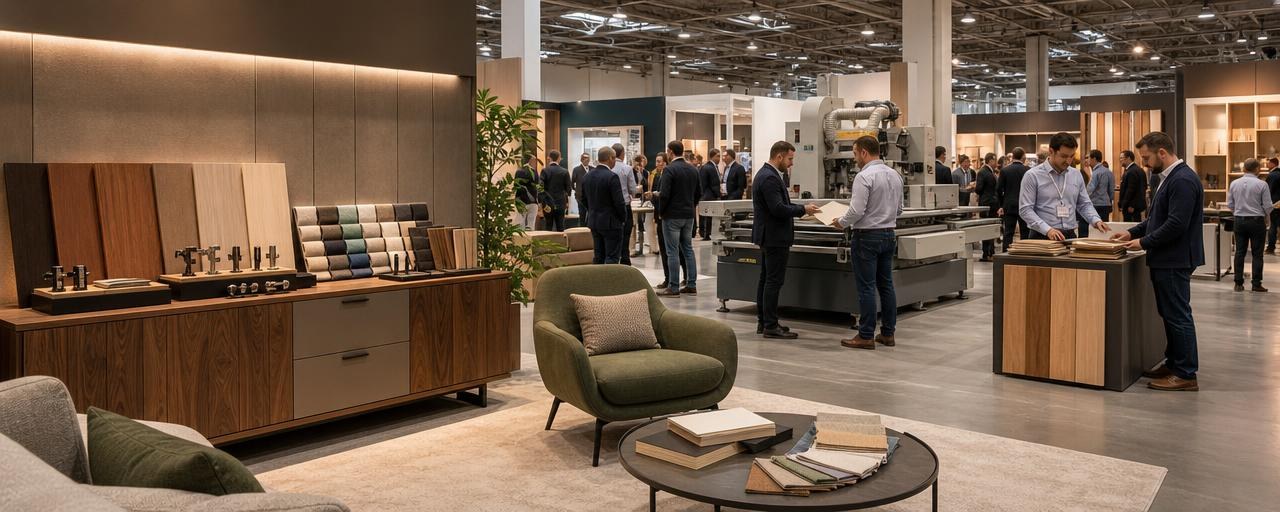
6–9 April 2027 at Expograd Yug, Krasnodar, Russia, UMIDS is a professional trade exhibition linking finished furniture and interior products with the equipment, components and materials used to make them. Its two broad themes are furniture and interior items, and equipment and accessories. For manufacturers, retailers, buyers, designers and suppliers, the value lies in seeing these parts of the market together: compare products, assess production solutions and turn a general interest into a focused list of suppliers, specifications and next steps.
UMIDS Krasnodar at a glance
| Item | Information |
|---|
| Event | UMIDS |
| Full name | International exhibition of furniture, materials, components and equipment for furniture production and woodworking |
| Edition | 29th edition in 2027 |
| Event type | Business trade exhibition |
| Category | Furniture and interior design |
| Dates | 6–9 April 2027 |
| City and country | Krasnodar, Russia |
| Venue | Expograd Yug, Kongressnaya Street 1 |
| Organiser | MVK |
| Main sectors | Furniture and interior items; woodworking and furniture-production equipment; components, fittings and materials |
| Main audiences | Furniture and woodworking manufacturers; furniture and interior-goods traders; designers and decorators; equipment, component and material suppliers |
| Latest published scale | 2026: more than 340 exhibiting companies and over 14,000 industry professionals, organiser-reported |
The 2027 dates, venue and edition are published by the organiser. The statistics above refer to the 2026 edition; they are not forecasts for 2027. Check the organiser’s current visitor information for any later changes to opening arrangements and programme details.
Why UMIDS matters to furniture businesses
See the production chain alongside finished products
UMIDS covers furniture and interior items as well as equipment, components and materials for furniture production and woodworking. This combination helps a visitor connect a finished-product decision with the fittings, surfaces, production tools or supplier relationships behind it. Manufacturers can compare inputs and production options; retailers can assess what may suit their assortment; designers can consider products and materials in the context of real project requirements.
Compare rather than browse without a purpose
A broad exhibition is most useful when you arrive with a shortlist. Record the product, relevant specification, supplier, price basis if supplied, delivery expectations and next action for each promising conversation. Treat product claims as a starting point for evaluation: request technical documents, samples or quotations directly from the company and compare like with like.
Understand the professional audience
The organiser’s 2026 visitor breakdown identifies furniture and component manufacturers, furniture and interior-goods traders, designers and decorators, HoReCa representatives, and traders in equipment, components and materials. For exhibitors, this provides a practical starting point for deciding which products to demonstrate and which buyer questions to prepare. For visitors, it helps set expectations about the show’s professional rather than purely consumer focus.
Latest published scale
- More than 340 exhibiting companies in 2026 from Russia, Turkey, China, Belarus, Uzbekistan and Iran; organiser-reported.
- Over 14,000 furniture and woodworking professionals in 2026 over four days; organiser-reported.
- 30,000 square metres across four pavilions in 2025, as published by the venue; a previous-edition figure, not a 2027 floor-area promise.
This scale suggests that visitors should prioritise sectors, companies and meetings rather than expect to examine every product in equal depth. The published figures are organiser or venue reports, not independent audit results.
Furniture and woodworking sectors at UMIDS
The organiser groups the exposition around furniture and interior items, and equipment and accessories. The product lines below describe the sectors represented; they are not a guarantee that any specific brand or model will appear in 2027.
Furniture and interior products
- Cabinet and case furniture for residential and commercial interiors
- Upholstered furniture and soft seating
- Dining and kitchen furniture
- Office furniture and furniture for HoReCa
- Park and garden furniture
- Mattresses and furniture-related interior products
Woodworking and furniture-production equipment
- Equipment and tools for furniture production
- Woodworking machinery and production technologies
- Equipment for processing stone and glass
- Automation programmes and production-support solutions
- Machinery and tools relevant to furniture workshops and factories
Furniture components and fittings
- Furniture accessories and components
- Hardware and fittings for furniture construction
- Transformation mechanisms for furniture
- Components used in cabinet and upholstered furniture
- Production accessories for furniture makers
Surface, upholstery and finishing materials
- Facing materials for furniture
- Upholstery materials and fillers
- Paints, varnishes, glues and adhesives
- Wood panels, veneers and other surface samples to evaluate with suppliers
- Materials for interior and furniture finishing
Interior items and project furnishings
- Interior and décor products
- Furniture and accessories for residential spaces
- Furniture for offices and commercial interiors
- Furniture for hotels, restaurants and other HoReCa settings
- Home appliances and kitchen accessories shown within the furniture and interior offer
Use the official exhibitor list and product catalogue when planning your route. Confirm the exact 2027 product range with exhibitors, especially if a project depends on a particular material, finish, machine capability or delivery specification.
Who should visit UMIDS?
UMIDS is most useful when your work involves making, sourcing, selling or specifying furniture and interior products. The following audience groups are grounded in the organiser’s published visitor profiles and event sectors.
Furniture and woodworking manufacturers
Useful if you are responsible for furniture production, workshop operations or sourcing inputs. Focus on:
- Equipment and tools relevant to your current production bottlenecks
- Components, fittings and transformation mechanisms that fit your designs
- Surface, upholstery and finishing materials compatible with your product range
- Supplier service, technical documentation, spares and support terms
- Products that could complement or extend your existing furniture offer
Manufacturers and component producers are among the organiser’s named visitor groups. Prepare a short specification list so conversations can move beyond general product demonstrations.
Furniture retailers, buyers and distributors
Useful if you select furniture and interior products for a store, catalogue or distribution portfolio. Prioritise:
- Cabinet, upholstered, dining, office and outdoor furniture relevant to your customers
- Products for HoReCa or other commercial buyers if those are part of your channel
- Range breadth, finishes, dimensions and customisation options
- Minimum order, lead time, delivery terms and after-sales arrangements
- Whether a supplier can support your geography and product positioning
The organiser identifies furniture and interior-goods trade among the main visitor groups. Treat a show-floor conversation as the start of supplier qualification; verify commercial terms directly before making a commitment.
Designers, decorators and HoReCa professionals
Useful if you specify furniture, surfaces or interior products for residential, hospitality or commercial projects. Compare:
- Available finishes, colours, textiles and material samples
- Dimensions, durability information and installation requirements
- Options for guest rooms, restaurants, offices and shared spaces
- How products coordinate across furniture, fittings and interior details
- Supplier ability to provide project information and documentation
The organiser names designers, decorators and HoReCa representatives in its visitor profile. Bring project constraints and finish references so that the products you assess are relevant to a real brief.
Equipment, component and material traders
Useful if you supply furniture producers or trade in equipment, components and materials. Use the visit to:
- Compare the categories and specifications buyers are asking about
- Identify complementary products for an existing portfolio
- Understand which technical questions require clearer product documentation
- Assess possible supplier or distribution discussions
- Check service, delivery and spare-parts arrangements before proposing a product
Equipment, components and materials trade is part of the published visitor profile. For a focused visit plan, ilikevents can help with exhibition planning and registration assistance.
Job roles that may benefit
Depending on your company, the relevant attendees may include owners and managers of furniture manufacturers or stores, production and technical managers, purchasing staff, category buyers, importers and distributors, furniture and interior designers, decorators, and HoReCa project decision-makers. These are practical role descriptions inferred from the documented visitor-company groups.
Why visit UMIDS?
- Compare furniture suppliers: shortlist cabinet, upholstered, dining, office, outdoor or HoReCa ranges against your assortment, project or customer requirements.
- Assess production inputs: compare components, fittings, transformation mechanisms, facing materials, upholstery materials and finishing products with the specifications your operation uses.
- Investigate equipment options: identify relevant woodworking and furniture-production equipment, tools or automation solutions, then request the technical details needed for a proper evaluation.
- Build a sourcing shortlist: record which suppliers match your product, service, delivery and support needs; follow up after the event with documents and quotations.
- Explore regional distribution: use the professional audience and the event’s regional focus to test which product categories may merit further conversations with dealers or partners. This is an opportunity to investigate, not a promise of contacts or orders.
- Review interior solutions: designers and HoReCa professionals can compare furniture, materials and décor in relation to actual project briefs.
Why exhibit at UMIDS?
UMIDS may be relevant for manufacturers and suppliers of furniture, interior products, woodworking and furniture-production equipment, components, fittings, upholstery and surface materials. The 2026 edition included companies from Russia, Turkey, China, Belarus, Uzbekistan and Iran, demonstrating that the previous edition had international exhibitor participation; this does not guarantee the same country mix in 2027.
A well-planned stand can support several practical goals:
- Present furniture or production solutions to a professional audience in one place.
- Discuss product specifications and use cases directly with manufacturers, traders, designers or HoReCa representatives.
- Gather feedback on product positioning and the questions buyers need answered.
- Explore possible dealer, distributor or supplier relationships for further assessment.
- Compare how your offer fits alongside furniture, equipment, components and materials in the wider production chain.
Before committing, evaluate the cost of participation against your target audience, product fit, staffing, logistics and follow-up capacity. For furniture and components entering the Eurasian market, check current product conformity, import and documentation requirements for the specific product and destination. Exhibitors can get assistance from ilikevents with registration coordination and participation planning; availability and terms should be assessed for each case.
What makes UMIDS distinctive?
UMIDS connects finished furniture and interior products with the equipment, components and materials used in their production. The exhibition profile presents two major themes—furniture and interior items, and equipment and accessories—so visitors can consider both what they might sell or specify and the inputs behind it.
The 2026 organiser report also highlighted Design-Arena, a dedicated area for interior trends, HoReCa solutions and contemporary design concepts. It is an example from the previous edition, not a confirmed feature for 2027. Check the organiser’s programme as the new edition approaches.
How to prepare before UMIDS
1. Set a business objective
Choose a decision you want to make: qualify suppliers for a furniture range, compare a production solution, source components, or assess materials for a current interior project. A specific objective makes the four exhibition days easier to use.
2. Build a target list
Review the organiser’s 2027 exhibitor list and available product information. Sort companies into three groups: A — must meet for direct project or sourcing relevance; B — useful for possible alternatives or complementary products; and C — explore if time allows. Recheck the list close to the event because exhibitor information can change.
3. Prepare questions by category
- Furniture: which dimensions, finishes, custom options and materials are available? What are the order quantities, lead times and delivery terms?
- Machinery: what materials and production tasks does the equipment support? What are the installation, training, maintenance and spare-parts requirements?
- Components and fittings: which furniture designs or load requirements are supported? What technical drawings and samples can the supplier provide?
- Surface and upholstery materials: what are the sample, colour, performance and care details? Which supporting documents are available?
- HoReCa and project furnishings: what project quantities, dimensions, durability information and replacement options should be confirmed?
4. Arrange registration and meetings
Visitor e-ticket registration and exhibitor enquiries are available through the organiser’s website. Confirm the current process and any requirements directly with the organiser. If meetings matter to your objective, contact priority companies in advance and agree what information or product details you need to cover.
5. Bring the information that supports a decision
For sourcing, bring your target product list, specification ranges and order assumptions. For machinery, bring process requirements, materials, available floor space and questions about installation and service. For design or HoReCa projects, bring dimensions, finish references and the project stage. Do not share confidential drawings or commercial details unless your company permits it.
How to make the most of the exhibition
Use the exhibitor list to navigate by objective, not just by aisle. At each stand, record:
- Company and product — the exact range, model or material that caught your attention.
- Why it is relevant — the project, production task or customer segment it could serve.
- Evidence to collect — technical sheets, sample details, dimensions, finish options or service information.
- Commercial questions — order quantities, lead times, delivery, payment and support terms to confirm with the supplier.
- Next action — request a quotation, compare with another supplier, review a sample or arrange a technical discussion.
For equipment, distinguish a product demonstration from a full technical assessment. For furniture and interior products, verify finish, dimensions and availability against the intended use. For materials and components, check compatibility with your production or project requirements.
Beyond the exhibition floor
The organiser’s 2026 coverage described Design-Arena as a dedicated space for interior trends, HoReCa solutions and contemporary design concepts for residential and commercial settings. It offers an example of how the previous edition complemented product sourcing with design-oriented content. The 2027 programme and any repeat of this area should be confirmed with the organiser rather than assumed.
UMIDS visitor profile and business interests
The organiser’s 2026 profile describes a professional audience spanning furniture production, furniture and interior-goods trade, design and decoration, HoReCa, and equipment, component and material trade. Its published product-interest figures indicate overlapping areas of interest, not mutually exclusive audience shares.
| Visitor or buyer group | Potential focus at UMIDS |
|---|
| Furniture and component manufacturers | Equipment, fittings, materials and production solutions |
| Furniture and interior-goods traders | Cabinet, upholstered, dining, office, outdoor and HoReCa furniture |
| Designers, decorators and HoReCa representatives | Interior items, finishes, furniture and project-suitable products |
| Equipment, components and materials traders | Supplier comparison, product specifications and portfolio gaps |
| Production and technical decision-makers | Equipment, tools, automation and input compatibility |
In the organiser’s 2026 visitor-interest chart, furniture accessories and components were selected by 52%, case furniture by 49%, soft furniture by 41%, equipment and tools for furniture production by 38%, and dining furniture by 27%. These categories overlap; the percentages should not be added together or read as shares of unique visitors.
Travelling to UMIDS
The venue is Expograd Yug at Kongressnaya Street 1 in Krasnodar. The organiser’s visitor page identifies the venue and city; the venue’s event listing gives the street address. Check current venue access, transport and visitor instructions with the organiser before travelling, as this guide does not confirm 2027 travel arrangements.
Plan one day or several?
The 2026 edition brought together over 340 exhibitors and more than 14,000 industry professionals across four days, according to the organiser. For a short visit, prioritise your A-list companies and the product groups tied directly to your objective. Use additional time to compare alternatives, review materials and equipment, and revisit suppliers with technical questions. If your work spans furniture, production equipment and interior projects, a multi-day plan may allow more time for focused conversations, but choose the duration based on your target list and confirmed programme.
Bring a real project to UMIDS
A defined project makes product evaluation more precise. Furniture producers can bring a concise process and input brief; retailers can bring assortment gaps and customer requirements; designers and HoReCa teams can bring dimensions, finish references, quantities and project timing. For machinery or components, prepare the specifications that determine compatibility. Use the exhibition to identify questions and suppliers, then validate technical and commercial details with each company before taking a decision.
After UMIDS: turn notes into decisions
Within a few days of your visit, sort contacts into three groups:
- A — immediate review: suppliers or products that match a current project, purchase or assortment decision.
- B — potential: relevant alternatives that need a sample, technical document, quotation or internal discussion.
- C — market intelligence: products and conversations useful for understanding materials, product positioning or supplier options later.
Follow up with a clear request: identify the product discussed, the information you need and the next decision date. For furniture, request dimensions, finish details, order and delivery terms. For equipment, ask for technical specifications, installation needs, service and spare-parts information. For materials and fittings, confirm compatibility and supporting documentation. Compare written responses before making commitments.
UMIDS visitor checklist
Before
- ☐ Define the sourcing, production or project decision you want to support.
- ☐ Review the current exhibitor list and group target companies by priority.
- ☐ Prepare product-specific questions and the specifications you can share.
- ☐ Confirm registration, opening information, venue access and travel arrangements with the organiser.
During
- ☐ Record company, product, relevance, evidence collected and next action.
- ☐ Compare furniture, components, materials and equipment against consistent criteria.
- ☐ Ask for documentation or samples needed for technical and commercial review.
- ☐ Separate a promising conversation from a verified supplier decision.
After
- ☐ Send prioritised follow-up requests while meeting details are fresh.
- ☐ Compare written specifications, quotations and delivery or service terms.
- ☐ Share findings with the colleagues who approve purchasing or project choices.
- ☐ Keep a record of unresolved questions and the person responsible for each next step.
Is UMIDS worth visiting?
UMIDS is most relevant for professionals whose work touches furniture manufacturing, woodworking, furniture and interior-product trade, design, HoReCa or the supply of equipment, components and materials. The combination of finished products and production inputs can support supplier comparison and project research, while exhibitors can present to a professional audience that includes manufacturers and traders. Value depends on arriving with a focused target list and following up on what you learn. A planned visit is more useful than trying to see every stand without a decision in mind.
Make your UMIDS visit purposeful
Before you go, ask: Which supplier, product decision or production question do I want to move forward by attending? Discover. Compare. Specify. Follow up.
Furniture and woodworking opportunities in Russia
Market size and demand
Tentative data from the Association of Furniture and Woodworking Enterprises of Russia, reported by WhatWood in March 2025, put Russian furniture production in 2024 at 75.7 million pieces, up 12.6% year on year, and RUB 522 billion in monetary terms, up 17.3%. The Association expected the physical growth rate to be revised down to 3–4% after updated data, and forecast a possible 13% monetary increase but a 2% physical-volume decline in 2025. These are association figures and forecasts reported by a trade-industry publication, not audited results. The difference between value and unit growth matters: price increases do not by themselves demonstrate stronger unit demand.
- Furniture production volume: tentative 75.7 million pieces in Russia in 2024, +12.6% year on year; Association data reported by WhatWood.
- Furniture production value: tentative RUB 522 billion in 2024, +17.3%; monetary output, not a measure of units sold.
- Housing completions in Krasnodar Krai: the UMIDS organiser’s November 2026 article cites over 6.2 million square metres in 2025, including 3.7 million square metres of individual housing; this is a regional construction indicator, not a national furniture-market measure.
Market drivers and commercial opportunities
Association commentary reported by WhatWood linked furniture price increases to inflation, a high key rate and higher costs for components, including imported inputs, while noting weaker consumer purchase frequency. Separately, the UMIDS organiser’s 2026 article points to housing construction and HoReCa development in southern regions. Together, these sources support investigation rather than a presumption of easy growth.
- Furniture for new homes and hospitality: manufacturers, retailers and distributors could assess demand for residential and HoReCa furnishings in the southern region. The cited housing figure is regional; construction cycles and purchasing power remain important risks.
- Components and production inputs: suppliers may explore opportunities with furniture manufacturers for fittings, surfaces, upholstery and other inputs. Confirm the customer’s specifications, cost base, volumes and supply reliability; the available data do not establish a national supply gap.
- Production equipment and tools: machinery suppliers and manufacturers could investigate whether local producers are considering equipment or process changes. The exhibition categories make the discussion relevant, but no verified investment pipeline or equipment-demand total was found.
- Distribution and assortment development: retailers and distributors may use the exhibition to compare local and international product ranges and test potential supplier fit. Validate price, delivery, service and competitive conditions before committing.
Regulations and market-entry conditions
The Eurasian Economic Commission states that CU Technical Regulation 025/2012 on furniture safety took effect in 2014 and applies to furniture products released into the Customs Union market, with conformity assessment through certification or declaration depending on the applicable procedure. The EEC source reviewed is an explanatory notice from 2014; exporters should check the current consolidated requirements, product scope and conformity route for each item before shipment.
What this means for exhibitors
Furniture brands, component suppliers and equipment manufacturers may use UMIDS to investigate regional distributors, production customers and project channels. The market indicators point to a sizeable domestic production base but also price and demand pressures; qualify enquiries carefully and check product conformity, logistics and after-sales support before planning a market-entry commitment.
What this means for visitors
Buyers and manufacturers can use the event to compare product ranges, production inputs and equipment, then test supplier claims against written specifications and terms. Designers and HoReCa professionals may investigate products for projects while checking durability, availability and documentation. Regional housing data can inform questions about southern demand, but it should not be treated as a forecast for any individual supplier or project.
Explore Event Opportunities
Use UMIDS to identify furniture and woodworking suppliers, compare production and interior solutions, and shape a focused participation plan. ilikevents can help you assess the next steps for a purposeful visit or exhibition participation.
Get Expert Assistance from ilikevents to plan your UMIDS opportunity.
See the ilikevents services for this event
For further information, please click
here .