Madrid Anuga Select Ibérica 2027: the food and beverage trade fair
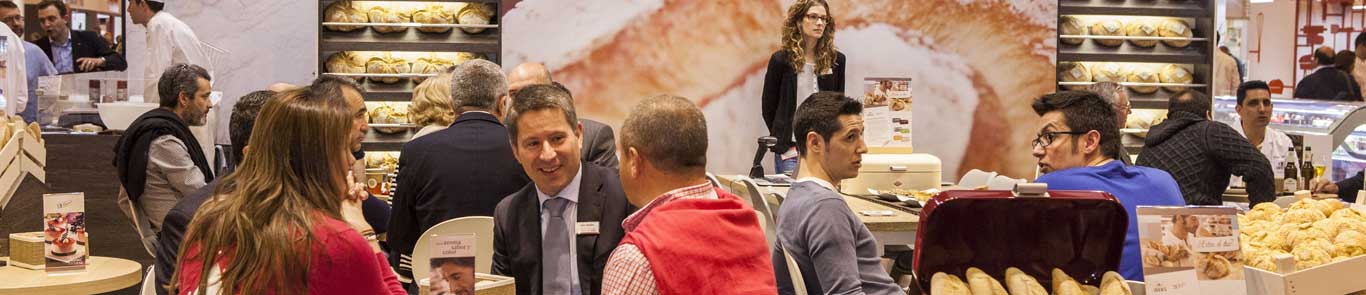
ANUGA SELECT IBÉRICA takes place from 16 to 18 February 2027 at IFEMA MADRID – Recinto Ferial, Av. Partenón 5, 28042 Madrid, Spain. The event is organised by IFEMA MADRID and Koelnmesse as a broad food-industry trade platform. Its official description says the Anuga-branded format integrates IFEMA MADRID’s established Meat Attraction and InterSICOP formats, extending the latter’s bakery, ice-cream and coffee focus into a wider food and drink offer.
The fair is designed for professional exchange across the food value chain: visitors can assess products and suppliers, while producers, manufacturers, importers, distributors and service providers can present or evaluate business propositions. It is not limited to one product group; the published sectors range from meat and bakery to drinks, organic products and auxiliary food-industry solutions.
Why Madrid Anuga Select Ibérica matters
Compare a broad range of products
The official sector list spans multiple purchasing categories in one event. This can help buyers compare products and suppliers across adjacent food groups, rather than treating each category as an isolated sourcing decision. Prepare a short list of specifications, target price bands and channel requirements so that conversations stay focused.
Explore supplier and distribution fit
The organiser positions the fair around supplier discovery, business relationships and purchasing processes. Importers and distributors may use the mix to identify products that could complement an existing portfolio; producers can use professional discussions to explain their range and investigate potential market or channel fit. These are opportunities to explore, not guaranteed commercial outcomes.
Understand the reported scale
In a press release dated 29 July 2026, the organisers reported that more than 400 exhibitors were confirmed, with companies from 19 countries. They expected more than 50,000 trade visitors, around 30% of them from international markets. These are pre-event organiser figures, not final attendance results. The international spread may make the fair relevant to companies assessing cross-border sourcing or distribution, but visitors should still qualify each supplier and opportunity directly.
Who should visit Madrid Anuga Select Ibérica?
Food and beverage buyers
Useful if you are sourcing products, comparing suppliers or reviewing a category for retail, foodservice or another professional channel. Prioritise the product groups that match your current assortment or purchasing brief. Compare specifications, packaging, storage needs and supply terms rather than relying on a product presentation alone.
Importers and distributors
The organisers describe the fair as a place to discover suppliers and clients, build business relationships and explore purchasing processes. If you are assessing a new brand or category, use the event to compare product positioning, ask about export readiness and identify the documentation needed for a separate commercial assessment. The fair does not guarantee a distributorship or market access.
Producers, manufacturers and food-sector service providers
Companies presenting products or services can use the event to explain their offer to trade professionals and learn what buyers ask across related sectors. Set a clear exhibiting objective—such as testing interest in a defined product range, meeting potential channel partners or collecting feedback on packaging—and decide in advance how each conversation will be recorded and followed up.
What can you find at Madrid Anuga Select Ibérica?
The organiser lists the following product areas. Check the official catalogue and map as the event approaches for current exhibitor names and stand details.
Meat, bakery and ice cream
- Meat Attraction: the meat value chain, with the official event description referencing production, export and technologies.
- Bakery and Ice Cream Attraction: bakery, patisserie and ice-cream businesses, continuing the InterSICOP focus under its new brand.
Food and drink categories
- Frozen food, including solutions for the out-of-home market.
- Chilled and fresh food, including ready-to-go products.
- Fine food and delicatessen products.
- Dairy products.
- Drinks, including tea, coffee and cocoa in the hot-beverage area.
- Organic products, with an export focus described by the organiser.
Auxiliary food-industry activity
The auxiliary-industry area is presented as covering innovation and technology serving the food industry. The precise exhibitor mix should be checked in the official catalogue when available; do not assume that every type of machinery, packaging or service provider will be represented.
What makes Madrid Anuga Select Ibérica different?
Its defining feature is the combination of several established food-sector formats within a wider Anuga-branded platform. The official event description identifies Meat Attraction and InterSICOP—now Bakery and Ice Cream Attraction—as the formats being integrated. It also describes the new platform as expanding the previous range into additional food and beverage segments, including frozen, fresh, dairy, drinks, fine food and organic products.
For visitors, that broader mix creates a reason to plan across categories: a buyer may compare a core product group alongside related offerings or supporting services. For suppliers, the range creates a setting in which to explain how a product fits a specific channel or complements an adjacent category. The current edition’s exhibitor catalogue and programme should determine which comparisons are practical on site.
What should you aim to achieve?
“See what is new” is too broad to guide a productive visit. Choose one or two outcomes that can be checked at the end of each day.
If you are a buyer
Example objective: shortlist suppliers in two priority categories and record the specifications, packaging formats and supply questions that need follow-up.
If you are an importer or distributor
Example objective: identify products that could fit a defined channel, then compare export documentation, territory arrangements and supply capability in follow-up discussions.
If you are exhibiting
Example objective: hold focused conversations with relevant trade visitors, record the product or service they asked about and agree a specific next step where there is a genuine fit. Do not treat the number of conversations as a substitute for qualified interest.
How to prepare before Madrid Anuga Select Ibérica
- Write a sourcing or exhibiting brief. List the categories, product attributes, delivery needs and commercial questions that matter to your organisation. Separate must-haves from preferences.
- Review the official sector structure. Use the event’s published areas—such as meat, bakery and ice cream, frozen and fresh foods, fine food, dairy, drinks, organic products and auxiliary industry—to decide where your time is most relevant.
- Check the organiser’s catalogue and map. The official event site provides an exhibitor-catalogue-and-map entry point. Confirm that the current edition’s listings are available before relying on them, then make a short target list rather than attempting to visit every stand.
- Prepare category-specific questions. For packaged foods, ask about ingredients, allergen information, shelf life, pack sizes and language versions. For chilled or frozen products, ask about handling, storage and delivery conditions. For bakery, patisserie and ice cream, compare ingredients, formats, equipment or service requirements relevant to your business. These are prompts for discussion, not a statement that every exhibitor offers each item.
- Prioritise meetings and exploration. Mark companies as essential, useful or optional. Leave space for unexpected products, but protect time for the categories that match your brief.
- Check current participation details. Pass availability, registration conditions and any exhibitor or visitor deadlines should be confirmed through the organiser’s current information; do not rely on earlier-edition terms.
How to make the most of the exhibition
Use a consistent record for each useful conversation: Company → product or service → why it fits → evidence to request → next action. For example, note whether a product matches a target category, which packaging or storage details remain unconfirmed, and who will request the technical or commercial information afterwards.
Compare like with like. Keep separate notes for product quality, ingredients, certifications or documentation, packaging, supply capacity, delivery terms and distribution conditions. Ask the supplier to clarify any claim that matters to your decision. An exhibition conversation can help you build a shortlist, but it does not replace product checks, regulatory review or commercial due diligence.
Visitors can use the official exhibitor catalogue and map to orient their route when the current information is published. The organiser also provides entry points for Expo Zone and LIVE Connect; confirm the tools’ current functions and access requirements with the organiser before planning around them.
Plan your time at Madrid Anuga Select Ibérica
The official access page lists four exhibition halls—Halls 3, 4, 5 and 7—and connection cores 3–5, 5–7 and 7–9. The organiser’s current schedule gives different daily closing times:
- 16 and 17 February 2027: 09:30–18:30.
- 18 February 2027: 09:30–16:00.
For a one-day visit, select a small number of categories and target suppliers, then leave time for follow-up notes. With more time, compare adjacent sectors or return to shortlisted companies with more precise questions. Build the day around the official map and current programme rather than assuming that every hall or activity can be covered in the same way.
Programme and activities
The official description of the earlier InterSICOP format mentions seminars, competitions, demonstrations and networking opportunities. These are examples from the predecessor format, not confirmation that the same activities will form part of the 2027 Anuga Select Ibérica programme. Check the organiser’s current programme for confirmed sessions, demonstrations and timings before making a schedule.
Travelling to Madrid Anuga Select Ibérica
The venue is IFEMA MADRID – Recinto Ferial, Av. Partenón 5, 28042 Madrid. The organiser’s access page provides sections for public transport, car, reduced-mobility access and long-distance transport, but visitors should consult the current page for route details and event-specific arrangements. Confirm the venue access, transport plan and daily schedule before travelling.
Who should consider exhibiting?
The organiser’s current sector structure is relevant to producers and manufacturers across food and drink, companies in meat, bakery, patisserie and ice cream, suppliers of frozen or fresh foods, fine-food and dairy businesses, beverage and hot-beverage companies, organic-product businesses, importers and distributors, and service providers for the food industry.
Before committing resources, define the commercial result you want to investigate: product awareness among trade professionals, feedback on a defined range, distributor conversations or evaluation of an adjacent category. Check the organiser’s current exhibitor information for stand options, services, costs, deadlines and participation requirements; none should be assumed from the event’s general description.
After Madrid Anuga Select Ibérica: turn notes into decisions
Within a few days, sort contacts into three groups: A — immediate follow-up where the product and requirements match; B — potential where a key specification or commercial term still needs checking; and C — market intelligence where the discussion was useful but no active purchase or partnership is planned.
For each A or B contact, send a concise follow-up stating the product or service discussed, the information still needed and a proposed next step. Request the relevant product specifications, ingredient and allergen details, shelf-life or storage information, packaging data, supply capacity and commercial terms where applicable. Compare what you receive against your original brief before making a sourcing, distribution or exhibiting decision.
Madrid Anuga Select Ibérica visitor checklist
Before the fair
- ☐ Set a clear sourcing, learning or exhibiting objective.
- ☐ Select relevant food categories and prepare a shortlist of companies from the current official catalogue if available.
- ☐ Prepare product, packaging, storage, documentation and supply questions for your chosen categories.
- ☐ Check pass availability, venue access and the confirmed programme with the organiser.
- ☐ Note the different daily opening hours before choosing a visit day.
During the fair
- ☐ Use the official map and catalogue to prioritise halls and target stands.
- ☐ Record company, product, fit, evidence needed and next action after each useful conversation.
- ☐ Separate confirmed product information from claims that require verification.
- ☐ Leave time to compare alternatives and complete notes before the day ends.
After the fair
- ☐ Sort contacts by priority and follow up while the discussion is still fresh.
- ☐ Compare specifications and terms against your original brief.
- ☐ Record which opportunities need a technical, regulatory or commercial review before a decision.
Is Madrid Anuga Select Ibérica worth visiting?
The fair is most relevant to food and beverage professionals whose work involves buying, producing, distributing, importing or supplying services across the published sectors. Its broad product range and reported international participation may make it useful for supplier comparison and market exploration. The value of a visit depends on choosing relevant categories, checking the current exhibitor and programme information, and following up on product and commercial details. A planned shortlist will generally be more useful than trying to see every stand.
Madrid Anuga Select Ibérica 2027 at a glance
| Item | Information |
|---|
| Event | ANUGA SELECT IBÉRICA |
| Dates | 16–18 February 2027 |
| Venue | IFEMA MADRID – Recinto Ferial, Av. Partenón 5, 28042 Madrid, Spain |
| Organisers | IFEMA MADRID and Koelnmesse |
| Main sectors | Meat; bakery and ice cream; frozen and chilled/fresh food; fine food; dairy; drinks and hot beverages; auxiliary food industry; organic products |
| Latest pre-event figures | Organisers reported more than 400 confirmed exhibitors from 19 countries on 29 July 2026; more than 50,000 trade visitors were expected, around 30% from international markets. These are pre-event reports and expectations. |
| Daily hours | 16–17 February: 09:30–18:30; 18 February: 09:30–16:00 |
| Programme | Check the organiser’s current programme for confirmed 2027 activities. |
A focused visit starts with a clear question
Decide which products, suppliers or market questions matter most to your organisation. Use the fair to compare, verify and start relevant conversations, then follow up with the evidence needed for a sound business decision.
Food and beverage opportunities in Spain
Market scale and demand context
Invest in Spain reports that the food, beverage and tobacco industry employed 561,700 people in the first quarter of 2025. This is an industry-scale indicator, not a measure of consumer demand, sales or the addressable market for a particular product category. A current, dated segment-level demand or market-value figure was not verified for this guide.
Areas to investigate
Invest in Spain identifies organic production, agritech and foodtech among its agri-food investment-opportunity areas. In the context of Anuga Select Ibérica’s published organic and auxiliary-industry sectors, suppliers and buyers could investigate whether products or technologies in these areas fit their own requirements. The available source does not quantify segment demand or establish likely sales.
Regulations and market access
The European Commission identifies Regulation (EU) No 1169/2011 as the framework governing mandatory food information and labelling and the responsibilities of food business operators. Companies considering a product for the EU market should assess the rules applicable to that product and its presentation; this page does not make a product-specific compliance assessment.
What this means for exhibitors
Exhibitors in food products, organic products or food-industry technology may use professional discussions to test product fit and identify the documentation or market requirements that need further assessment. The employment figure and the listed investment areas do not demonstrate obtainable sales, buyer access or a supply gap.
What this means for visitors
Buyers, importers and distributors may compare suppliers and product propositions against a defined sourcing brief, while technology buyers can explore whether agritech or foodtech solutions address a documented operational need. Verify demand, product compliance and commercial terms independently before making a decision.
For further information, please click
here .