ARCOmadrid 2027: the International Contemporary Art Fair
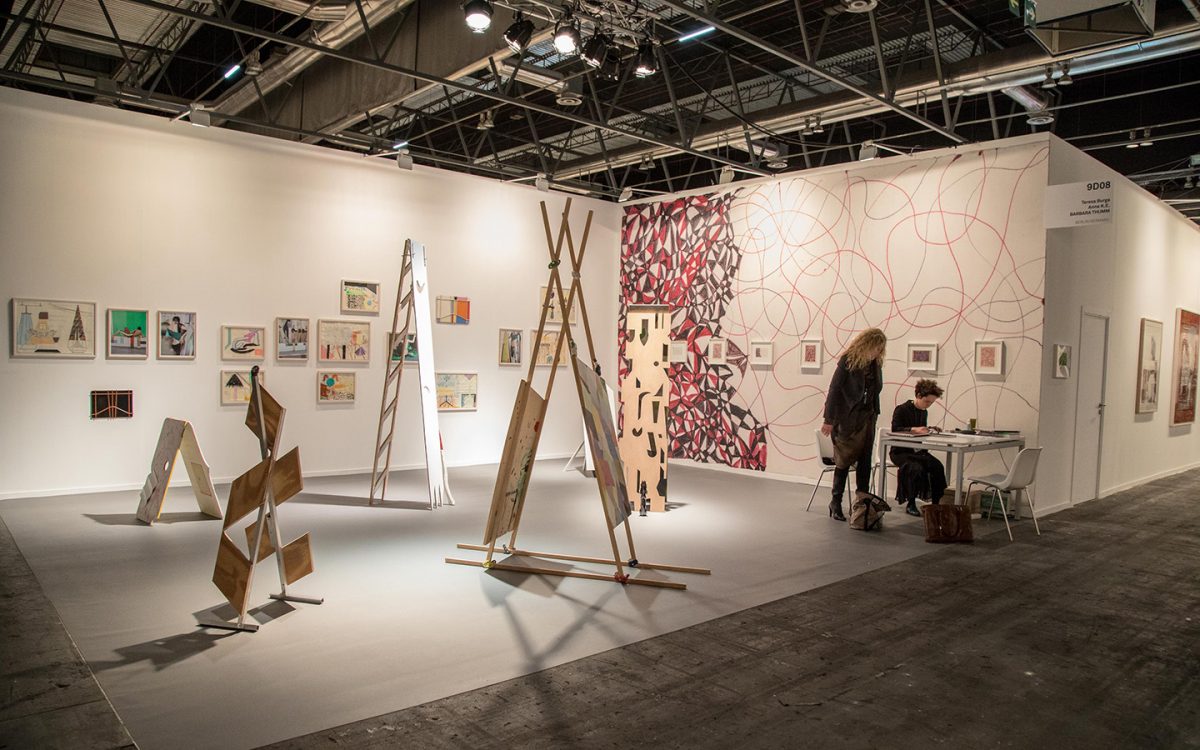
3–7 March 2027 · IFEMA Madrid, Madrid, Spain. ARCOmadrid is Spain’s International Contemporary Art Fair, organised by IFEMA MADRID. The 2027 edition is the 46th. Its announced central project, ARCO2046, will be presented across two curated spaces reflecting on possible futures in the conception of the world and of art. The fair also combines a General Programme of gallery and project presentations with curated sections focused on newer galleries and Latin American art.
For visitors, this is both an exhibition and a professional art-market setting: you can look closely at works, compare gallery presentations, follow the curatorial ideas and decide which conversations merit more time. For galleries and collection professionals, its value depends on coming with a clear artistic or collecting purpose rather than trying to see everything at once.
Why ARCOmadrid matters to the contemporary art world
Discover distinct gallery positions
The General Programme is made up of galleries and projects selected by the Organising Committee. This creates a curated route through contemporary art rather than an unfiltered directory. Collectors can compare how galleries frame artists and bodies of work; curators and collection professionals can note approaches, artists and themes that merit closer research.
Follow ideas through curated sections
ARCO2046 is announced as the central project, with two spaces considering possible futures for the world and art. The organiser has named João Mourão and Luis Silva for one space, and Max Andrews and Mariana Cánepa Luna of Latitudes for the other. The Opening section is intended for galleries with fewer than eight years of activity, while Perfiles | Arte Latinoamericano continues the fair’s engagement with Latin American art. These sections give visitors different curatorial lenses through which to interpret the wider fair.
Understand the scale without mistaking it for a promise
In its 2026 closing release, IFEMA reported 211 galleries from 30 countries. It estimated 95,000 visitors, including around 40,000 professionals. The same release reported approximately 1,300 artists and described acquisitions by museums, public institutions and corporate and private collections. These are reported or estimated figures for the previous edition, not a forecast for 2027. They indicate a substantial international setting, but do not predict sales, visitor mix or acquisition decisions for any individual gallery.
Who should visit ARCOmadrid?
ARCOmadrid serves several kinds of art-world visitor. Your priorities will be clearer if you decide which role best describes your visit and what evidence you need to take away.
Collectors and art buyers
Use the fair to compare gallery presentations, assess works against your collecting interests and discover artists or practices that merit further research. Before attending, set a realistic scope: a medium, period, theme, artist group or collecting question. During conversations, ask about the work’s context, provenance information, edition or material details where relevant, and the gallery’s follow-up process. Treat the fair as a place to investigate and compare, not as a substitute for independent due diligence or a guarantee that a work will remain available.
- Identify galleries or artists to prioritise before entering the fair.
- Record the title or description of a work and the gallery presenting it.
- Compare artistic fit, documentation and practical conditions before making a decision.
Museum, institutional and corporate collection professionals
Build a focused route around your institution’s collection policy, research priorities or commissioning interests. The 2026 balance described acquisitions by museums, public bodies and institutional and corporate collections; this is evidence of prior-edition activity, not a promise of access or future purchasing. For a useful visit, note how a work could relate to an existing collection, what documentation is needed and which colleagues should take part in a later review.
- Translate collection priorities into a short list of themes, artists or formats to investigate.
- Capture the gallery contact and the specific information needed for an internal review.
- Separate an interesting discovery from a work that has a clear institutional fit.
Gallery owners, directors and art dealers
For exhibiting galleries and art-market professionals, the fair can support presentation, peer exchange and market observation. Decide which artists or projects you want visitors to understand, what audience or institutional relationships matter, and what a useful follow-up would look like. The organiser’s 2026 report noted an international gallery and professional presence; it does not guarantee a particular visitor profile or commercial outcome for the next edition.
- Prepare concise, accurate information about artists, works and the gallery’s programme.
- Identify the conversations that would help you evaluate institutional, collector or peer interest.
- Track questions and follow-up commitments rather than relying on memory after a busy day.
Curators, researchers and contemporary art professionals
Use the General Programme and curated sections to compare how different galleries and curators frame contemporary practice. ARCO2046’s announced focus on possible futures and Perfiles | Arte Latinoamericano’s regional perspective provide starting points for research, not a complete account of either subject. Record names, programme contexts and questions for follow-up, and check the final schedule for any talks or activities that are relevant to your work.
What can you find at ARCOmadrid?
The General Programme
The General Programme centres on galleries and projects selected by the Organising Committee. Visitors can move between gallery presentations, compare approaches and identify works or artists for closer consideration. Use the programme as a structure for looking, not as a reason to rush past presentations that fit your objectives.
ARCO2046
The 2027 edition’s announced central project is ARCO2046. It will take shape in two curated spaces that reflect on possible futures in the conception of the world and art. The organiser has named João Mourão and Luis Silva, and Max Andrews and Mariana Cánepa Luna of Latitudes, as the respective curatorial teams. The public description sets out the theme and curatorial framework; it does not yet establish every work or activity visitors will encounter.
Opening. New Galleries
Opening is the fair’s section for selected galleries with fewer than eight years of activity. It gives visitors a focused way to look at newer gallery practices and artists, while gallery professionals can compare how an emerging programme is presented within an international fair.
Perfiles | Arte Latinoamericano
This curated project continues ARCOmadrid’s connection with Latin American art. Visitors interested in the section can use its curatorial framing to guide their research, then compare the artists and gallery contexts presented there with their own collecting, institutional or research interests.
Previous-edition acquisitions and awards
For context, the 2026 edition’s official closing report described acquisitions by museums, public institutions and corporate and private collections, and listed several awards and acquisition recognitions. Those examples show the kinds of institutional activity reported at a past edition; they should not be read as a preview of 2027 award winners, exhibitors or acquisitions.
What makes ARCOmadrid distinctive?
Its identity combines selected gallery presentations with curatorial projects that put contemporary art into wider conversation. The General Programme gives the fair its gallery-led structure, while ARCO2046, Opening and Perfiles | Arte Latinoamericano introduce specific conceptual and geographic perspectives. This blend can be useful to visitors who want to balance close attention to individual works with a broader view of how galleries and curators present contemporary art.
The scale reported for 2026 also matters practically. With 211 galleries reported from 30 countries, the fair offered a broad set of presentations; the organiser’s estimate of 95,000 visitors indicates that planning and prioritisation are important. Neither figure guarantees that a particular artist, gallery or buyer will be present in 2027. Confirm the current gallery information and programme as the organiser releases them.
What should you aim to achieve at ARCOmadrid?
If you are a collector
Set an objective such as: identify a short list of artists or works that meet a defined collecting interest and record the evidence I need before deciding. The goal is not to buy simply because a work is on view; it is to leave with a more informed comparison and clear next questions.
If you represent a collection
Choose an objective such as: find a small number of presentations that merit a documented internal review. Prepare the relevant collection criteria and note the information the acquisitions team would need, including artistic context and any practical documentation to request from a gallery.
If you work for a gallery
Set an objective such as: communicate the artistic logic of the presentation clearly and identify conversations that merit a specific follow-up. Define which audience or professional relationship is most relevant to your programme, and keep the next step concrete without assuming that interest will convert into a sale.
If you are a curator or researcher
Choose an objective such as: trace one curatorial question across the General Programme and the sections most relevant to my research. Record what you saw, who presented it and which source or conversation should be followed up after the fair.
How to prepare before ARCOmadrid
1. Define your reason for attending
Write down the decision, question or research task that makes the visit worthwhile. A collector may focus on a collecting theme; an institutional visitor may need to assess fit with a collection policy; a gallery professional may be evaluating presentation and professional conversations. Keep the objective specific enough to guide choices on site.
2. Build a short priority list
As the organiser publishes current gallery and programme information, create three groups: A — essential presentations or conversations; B — useful comparisons; C — interesting if time allows. Leave room for a discovery that changes your priorities. The public programme can develop, so re-check current information before travelling.
3. Prepare art-specific questions
For each work or gallery you plan to discuss, consider what you need to know: the artist’s context, the gallery’s representation, the work’s materials or edition where relevant, available documentation, the conditions for further inquiry and the appropriate next contact. Institutional buyers may add collection-policy fit and internal review requirements. Questions should be respectful and specific to the work rather than a generic request for a price list.
4. Check registration and entry information
The organiser’s ticket information states that visitor tickets and professional registration will be available soon. Check the current instructions, eligibility and any requirements directly with the organiser before making plans. Do not assume that a previous edition’s ticket, accreditation or opening-hours arrangements apply to 2027.
5. Plan for comparison, not just coverage
A large art fair can reward slower looking. Choose a manageable set of presentations to examine carefully, then leave time for the curated projects that connect to your interests. If you are attending with colleagues, agree who will record which presentations and how you will share notes.
How to use your time at ARCOmadrid
Start with the confirmed priorities
Begin with the programme or gallery information most closely connected to your objectives. For a collector, that may be a shortlist of artists or galleries. For a curator, it may be ARCO2046 or a specific section. For a collection professional, it may be presentations that could warrant internal review. Check the organiser’s latest schedule for any timed activity before setting a route.
Look, compare and record
For each presentation, capture a compact note: Gallery → artist or work → why it matters to my objective → question to resolve → next action. Use your own words, and distinguish what you observed from what you still need to verify. This makes comparisons more useful after the visit and reduces the risk of confusing similar works or conversations.
Protect time for focused conversations
Move from browsing to discussion when you have a specific question. Explain your role and interest clearly, listen to the gallery’s context and note any promised follow-up. A brief, purposeful conversation is more useful than collecting contacts without a reason to reconnect.
Programme and activities beyond the gallery presentations
The 2027 page announces ARCO2046 and the return of the General Programme and curated sections. The organiser’s current visitor information directs attendees to check the official schedule for hours and activities, including presentations, talks, thematic areas and professional events; it also notes that the schedule may be updated as the programme develops. Confirm what is actually scheduled before building your day around a talk or activity.
As examples from the previous edition only, IFEMA’s 2026 closing report described museum and institutional acquisitions and listed awards connected with stands, emerging art and curated sections. These are useful context for understanding the fair’s past activity, but they are not a guarantee that the same awards, participants or acquisitions will recur in 2027.
Networking at ARCOmadrid
Professional exchange is most useful when it is attached to a real artistic or collecting question. Before a conversation, be ready to explain what you do, what kind of art or programme you are considering and why this presentation caught your attention. Gallery professionals can prepare a concise explanation of the artists and the rationale for the stand. Collectors and institutional visitors can say what they need to learn before taking a discussion further.
Close each relevant conversation by agreeing on a specific next step, such as requesting documentation or arranging a later discussion. Record the person’s role and the context of the conversation. Do not treat a brief introduction as evidence of a future purchase, institutional commitment or partnership.
Travelling to ARCOmadrid
The confirmed venue is IFEMA Madrid, Av. del Partenón, 5, 28042 Madrid, Spain. Use the organiser’s current venue and access information to plan your route, and re-check it before departure. The 2027 event page confirms the venue and dates; the daily timetable and any event-specific access arrangements should be checked when the organiser publishes them.
One day or several days at ARCOmadrid?
The fair runs across five calendar days. A one-day visit may suit someone with a focused shortlist and a small number of priority conversations. Allowing more time may help visitors who want to compare gallery presentations, explore the curated sections and return to works that require closer consideration. Institutional or research visits may also benefit from separating initial discovery from a later review. Choose the length of your visit around your objectives, and verify the schedule and entry arrangements before committing.
Preparing for an art or collection project
If a particular collecting, exhibition or research project is driving your visit, bring a concise brief: the themes or artists you are considering, the collection or programme context, any material or documentation questions, the decision-makers who need to be involved and the next step after the fair. For institutional work, make sure your notes can be assessed by colleagues who are not on site. For gallery professionals, prepare accurate information about the artists and works you present, and decide which enquiries require a prompt response after the fair.
After ARCOmadrid: turn observations into decisions
Within a short time after the fair, organise your notes into three groups: A — immediate follow-up for a specific work, documentation request or agreed conversation; B — potential for a presentation that merits more research; and C — market or curatorial intelligence for themes and approaches to monitor. Contact galleries with a clear reference to the work or discussion, and state what information you need next.
For collectors, compare the shortlist against your collecting aims and complete independent checks before making a decision. For institutions, share concise notes with the relevant colleagues and follow the organisation’s review process. For galleries, follow through on conversations with accurate materials and a specific next step. A well-organised follow-up turns an intensive visit into information that can support later choices.
Who should consider exhibiting at ARCOmadrid?
The fair’s programmes are built around contemporary art galleries and selected projects. The General Programme is selected by the Organising Committee; Opening is aimed at selected galleries with fewer than eight years of activity; Perfiles | Arte Latinoamericano provides a curated focus on Latin American art. These descriptions help galleries judge whether their artistic programme aligns with a section, but they do not confirm acceptance or guarantee a commercial result.
Gallery teams considering participation should follow the organiser’s current exhibitor information and application conditions. Before committing resources, clarify the artistic objective, which works and artists the presentation will represent, how the team will explain the project, what professional conversations it wants to pursue and how it will handle follow-up. Review the applicable participation rules and costs with the organiser; no 2027 exhibitor fee or deadline is stated here.
ARCOmadrid visitor checklist
Before the fair
- ☐ Define one main collecting, institutional, gallery or research objective.
- ☐ Review the current gallery information and mark A, B and C priorities.
- ☐ Prepare questions about artists, works, context and documentation.
- ☐ Check current registration, entry, daily hours and programme information with the organiser.
- ☐ Confirm the venue and your travel arrangements using current official information.
During the fair
- ☐ Start with the presentations that directly support your objective.
- ☐ Record the gallery, artist or work, why it matters, your open question and the next step.
- ☐ Make time for the announced curated sections that fit your interests.
- ☐ Distinguish observed facts from interpretations and details you still need to verify.
- ☐ Capture specific follow-up commitments rather than collecting contacts without context.
After the fair
- ☐ Sort notes into immediate, potential and market-intelligence follow-up.
- ☐ Request relevant documentation or a further conversation where agreed.
- ☐ Share institutional findings with the colleagues responsible for review.
- ☐ Evaluate works and terms independently before making a purchase or collection decision.
Is ARCOmadrid worth visiting?
ARCOmadrid is most useful for contemporary art collectors, gallery professionals, curators and collection teams who want to examine selected gallery presentations and engage with the announced curatorial projects. Its 2026 reported scale shows why a focused plan matters, but the value of a visit depends on the visitor’s aims, the final 2027 programme and the quality of follow-up. If you arrive with a defined question and take careful notes, the fair can support discovery and comparison; if you try to cover everything without priorities, it is harder to turn a large number of impressions into useful decisions.
ARCOmadrid 2027 at a glance
| Item | Information |
|---|
| Event | ARCOmadrid — International Contemporary Art Fair |
| Edition | 46th edition |
| Dates | 3–7 March 2027 |
| City and country | Madrid, Spain |
| Venue | IFEMA Madrid, Av. del Partenón, 5, 28042 Madrid, Spain |
| Organiser | IFEMA MADRID |
| Main subject | Contemporary and avant-garde visual arts |
| Announced programme | ARCO2046, General Programme, Opening and Perfiles | Arte Latinoamericano |
| Latest reported gallery scale | 211 galleries from 30 countries in 2026 |
| Latest visitor estimate | 95,000 visitors, including around 40,000 professionals, in 2026 |
| Registration and hours | Visitor tickets and professional registration to be announced; check the organiser’s current schedule and entry information |
The 2027 edition’s central project and dates are announced. Check the organiser for current gallery information, registration details and the final daily programme.
Make your ARCOmadrid visit purposeful
Before you go, ask: Which artists, gallery perspectives or collection decisions do I need to understand better? Let that question guide what you see, who you speak with and what you follow up afterwards. Discover. Compare. Discuss. Decide.
Contemporary art opportunities in Spain
Market evidence and limits
No current, verified national market-size figure for Spain’s contemporary-art gallery sector was established in this research. ARCOmadrid’s 2026 edition provides event-level context rather than a measure of Spain-wide demand: IFEMA reported acquisitions by museums, public bodies and corporate and private collections. Galleries may treat this as a reason to investigate institutional and corporate collecting interests, not as evidence that a particular work or exhibitor will secure a sale.
Tax and market-entry conditions
Spain’s consolidated Value Added Tax Act states a general VAT rate of 21%. It also provides a 10% rate for specified art transactions, including imports of art and certain deliveries by artists or other qualifying suppliers. A special margin scheme can apply to qualifying resellers and transactions. The applicable treatment therefore depends on the seller, the work and the transaction; galleries and buyers should verify the current legal and tax position for their circumstances before pricing or completing a sale.
What this may mean for galleries and visitors
Galleries may use ARCOmadrid to explore whether their artists and programmes are relevant to institutional, corporate or private collection priorities, while checking the transaction and tax conditions that affect their business model. Collectors and institutional visitors may compare gallery presentations and ask for the documentation needed for their own review. The 2026 acquisition examples show that institutional activity has occurred at the fair, but neither those examples nor the fair’s attendance estimates establish the size of Spain’s wider market or guarantee future purchases.
For further information, please click
here .