Event rate of 1 vote

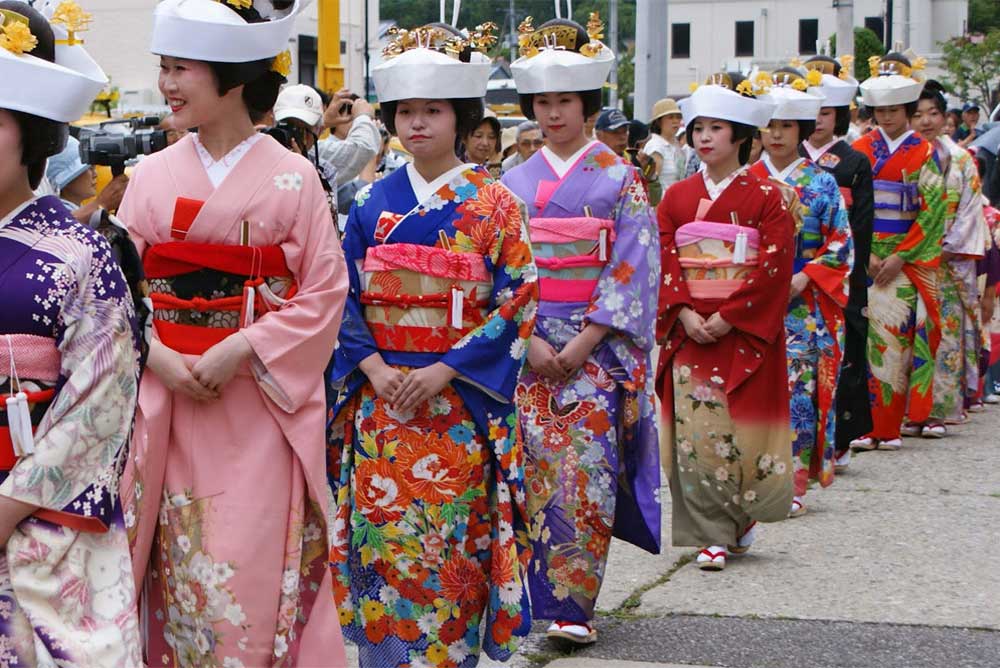
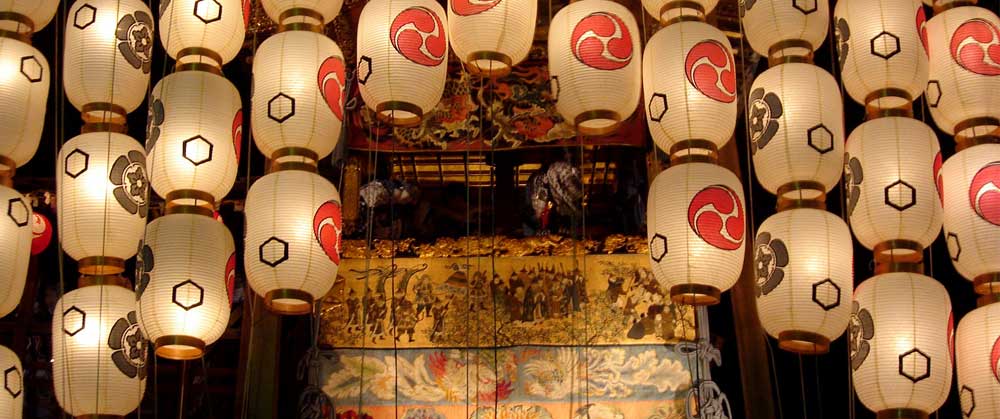
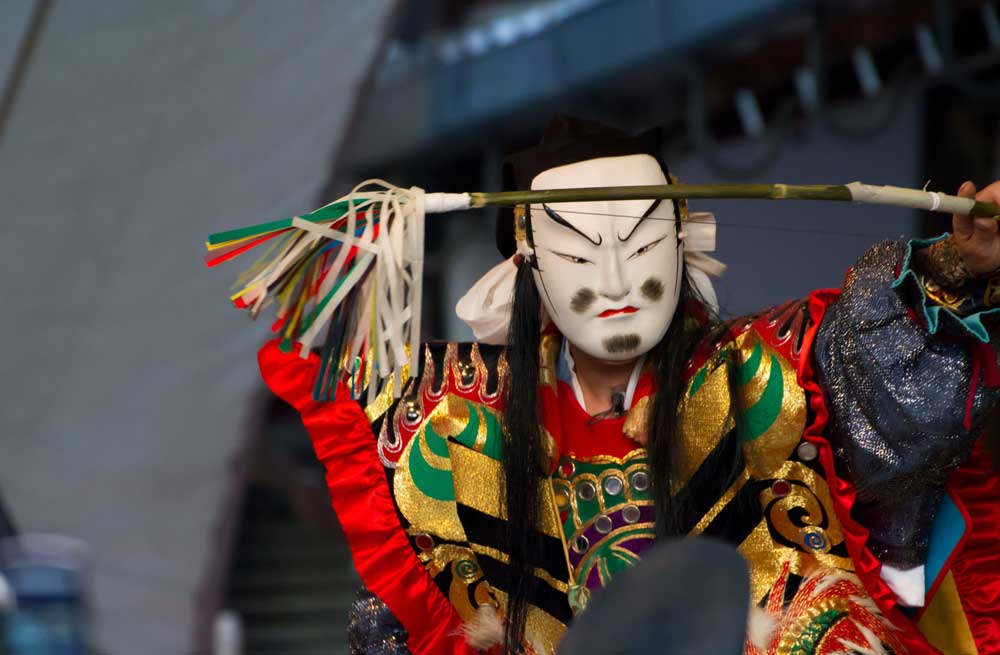
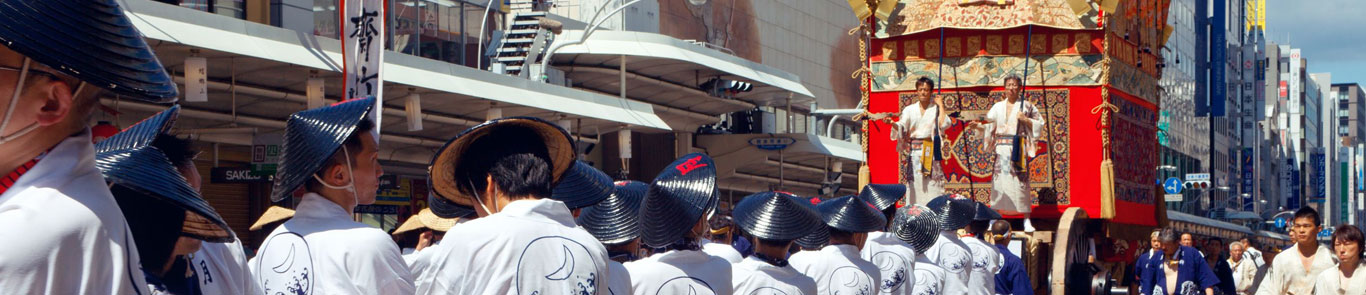
Gion Matsuri will be held 01 to 31 Jul 2020 in Kyoto, Japan. Gion Matsuri is not just Kyoto’s biggest festival – it’s one of Japan’s biggest annual events. It’s a multiday event that is equal parts religious observance and raucous street festival. Originally held to pray for deliverance from plague, the festival has evolved into a huge celebration of Kyoto culture. It’s also a huge summer block party in which locals and visitors gather to promenade in colorful yukata robes and gorge themselves on street food and drink. The main events are two processions of traditional parade floats. The matsuri give you an insider’s glimpse into how the Shinto religion and the country’s fascinating history have influenced the Japanese way of life. Gion-san is one of Japan’s three most important annual celebrations and a standout because of the number and diversity of events that take place over the course of a month. If you’re a bit confused by how Japan can be at once ancient and modern, insular and in tune with pop-culture, this is the festival for you. Gion Matsuri is a cultural anthropologist’s dream. Gion Matsuri is an event and I like events...