Technological shifts shaping digital slot design
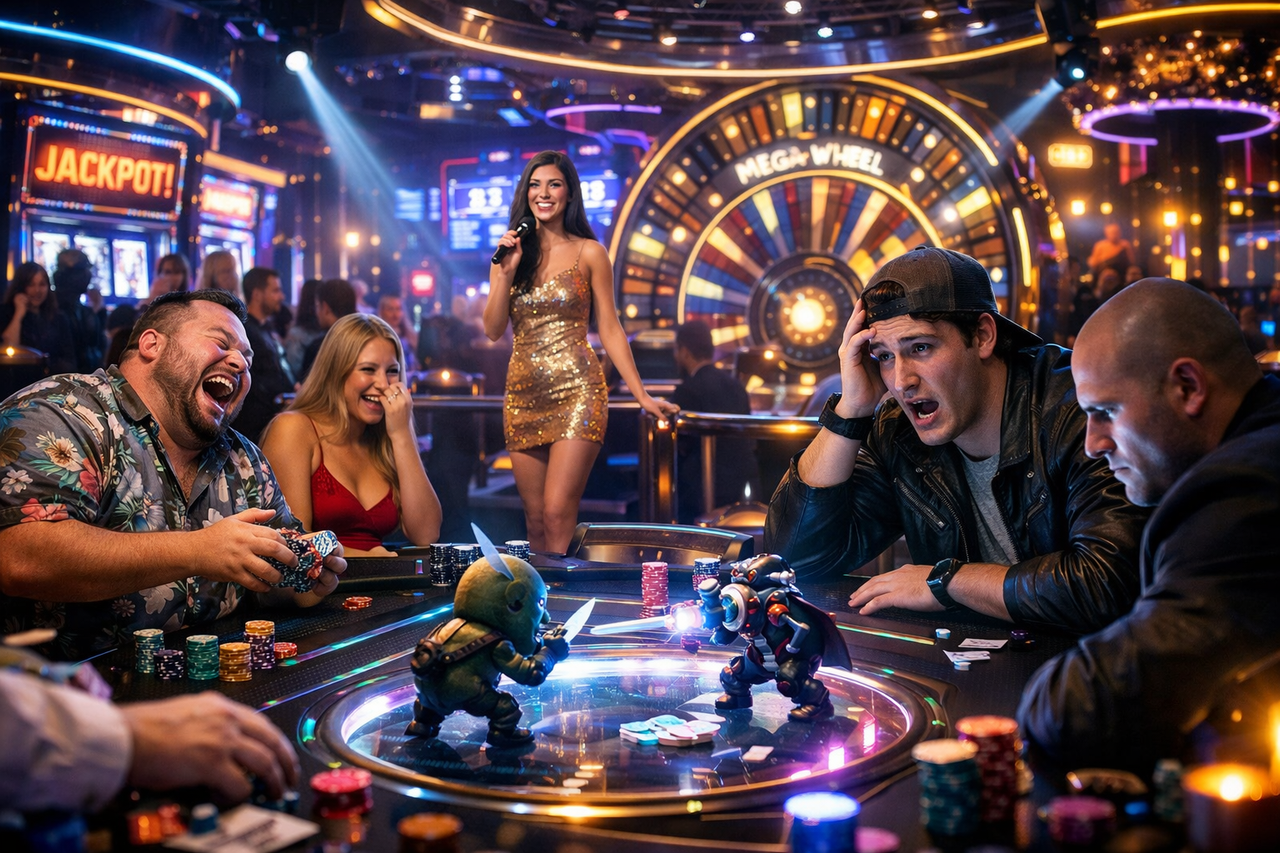
From Simple Reels to Layered Game Systems
Digital slot design began with a very direct goal. It had to recreate the appeal of traditional reel machines on a screen. Early online slots kept that formula intact. They used simple symbols, basic paylines, and limited visual effects. The main focus stayed on clarity and function. Players could understand the game in seconds. Developers could deliver stable products with modest technical demands.
That simplicity did not last for long. Better software tools gave studios more room to experiment. Developers started building games with bonus rounds, stacked symbols, expanding wilds, and free spin modes. Each new mechanic changed the rhythm of play. A slot stopped being only a reel-based game. It became a layered system with events, triggers, and changing states. The result created longer play sessions and more variety inside a single title.
This change also affected the way players judged quality. Presentation alone stopped being enough. Players began to expect depth, pacing, and surprise. A platform such as win there casino reflects this shift through wide game libraries and feature-rich slot categories. A modern slot now needs a strong core loop, smooth transitions, and a clear reward structure. Good design supports every one of those parts. The screen may show reels, yet the real design work happens under the surface.
How mobile changed slot development
The spread of smartphones changed digital slot design at a basic level. Players no longer sat down only at desktop screens. They opened games during short breaks, while commuting, or while relaxing on the sofa. This behavior pushed developers toward faster loading times, cleaner menus, and touch-friendly controls. A game had to feel immediate. It had to open quickly and respond without friction. Long setup flows and crowded layouts began to feel outdated.
Mobile-first design also changed visual priorities. Large buttons replaced dense control panels. Important information moved into compact overlays. Text became shorter and easier to scan. Symbols grew bolder. Animations became smoother but more disciplined. Every design choice had to work on a small screen. Developers had to balance spectacle with readability. A strong mobile slot now feels controlled and polished. It does not overwhelm the player with noise.
Performance became part of design as well. A mobile game cannot depend on heavy assets alone. It needs stable animation, efficient code, and flexible screen adaptation. Studios now build slots with multiple devices in mind from the start. This approach affects every production stage. Art teams, sound designers, and developers work toward the same target. The final game must feel seamless on a phone, tablet, or laptop. That device flexibility now defines quality in the slot space.
Why studios and technology matter
Behind every digital slot stands a technical framework that most players never see. Game studios shape the concept, the mechanics, and the visual identity. Engines support the movement of symbols, the flow of bonus features, and the response of every button press. A strong engine allows a game to feel smooth and stable. It also gives designers room to create more advanced features without breaking the experience. Good slot design depends on this hidden structure.
The rise of specialist game studios has made the market more diverse. Different providers bring different design habits. Some focus on cinematic themes. Some emphasize volatility and feature density. Some build minimal games with sharp pacing. This variety matters because it gives players more than surface-level choice. It gives them access to different design philosophies. One studio may build around visual immersion. Another may build around rapid bonus engagement. Technology allows both styles to exist at scale.
Certified randomness plays an equally important role. Random number generation forms the foundation of digital slot trust. A player may focus on symbols and sound, yet fairness depends on secure and tested systems. Audited RNG technology supports legitimacy and consistency. It separates entertainment design from outcome control. This distinction matters for both users and operators. Without that technical foundation, visual polish means very little. Confidence in the system keeps the entire format credible.
What makes modern slots immersive
Modern digital slots feel more immersive because design now extends far beyond the reels. Sound design creates atmosphere before the first spin begins. Animated backgrounds support the mood of the theme. Transitions connect the base game to bonus modes in a fluid way. Visual feedback makes each win feel distinct. Even small actions can feel rewarding through motion, sound, and timing. Immersion comes from coordination. Every design element has to support the same emotional tone.
Theme development has also become more sophisticated. Early slots often relied on broad visual shortcuts. Modern titles build fuller worlds. Ancient mythology, fantasy adventures, neon cities, and dark mystery settings now arrive with more detail and stronger identity. This does not mean every slot needs complexity. It means each game needs coherence. The art, soundtrack, interface, and symbol set should belong to the same creative direction. Strong thematic unity makes the experience feel complete.
Player expectations now drive this immersive standard. People compare slots not only with other slots, but with mobile games, streaming visuals, and polished digital entertainment in general. That comparison raises the bar. A slot must be functional, attractive, and emotionally engaging at the same time. Modern design succeeds when it blends technical precision with sensory appeal. The genre has moved far from static reels and flat backgrounds. It now lives in a space where software design, visual craft, and player psychology work together on every spin.