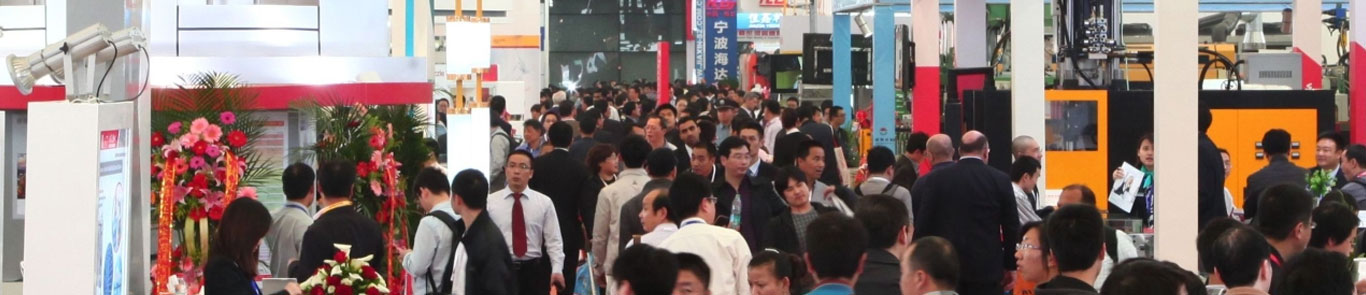
Shenzhen CHINAPLAS 2027: a guide to the plastics and rubber trade fair
13–16 April 2027 at the Shenzhen World Exhibition & Convention Center, Bao'an District, Shenzhen, China. CHINAPLAS is the 39th International Exhibition on Plastics and Rubber Industries, a professional trade fair for materials, machinery, processing technologies and applications across manufacturing. It is useful not only as a product showcase: visitors can compare technical approaches, suppliers and material options, while exhibitors can present solutions and explore conversations across the plastics and rubber value chain.
The latest published edition before the 2027 show was held in Shanghai in 2026. Its scale and programme provide useful context, but those historical figures and activities should not be read as a forecast or a promise for the Shenzhen edition.
Why Shenzhen CHINAPLAS matters
Discover equipment and materials together
Plastics and rubber production decisions connect material performance with processing equipment, tooling, automation and downstream applications. CHINAPLAS brings these parts of the supply chain into one exhibition context, making it possible to compare more than one link in a production decision. A buyer assessing a new polymer, for example, can also consider processing requirements and the machinery needed to work with it.
Compare solutions against real requirements
For procurement teams, processors and engineers, the value of a large technical fair depends on asking comparable questions. Record the material grade or machine specification, intended application, throughput or quality requirement, service needs and next step for each relevant supplier. This makes follow-up more useful than collecting brochures without a decision framework.
Follow changes in the industry
At CHINAPLAS 2026, the organiser highlighted circular economy, digitalisation, innovative materials and China's high-end technologies as focus areas. The 2026 edition also presented injection moulding, blown-film production, extrusion, blow moulding and thermoforming equipment, alongside intelligent processing and recycling-sorting solutions. These are examples from the previous edition, not confirmation of the 2027 programme.
Latest published scale
- 400,000 m² exhibition area in 2026
- 5,104 exhibitors from 45 countries and regions in 2026
- 350,189 visitors from 188 countries and regions in 2026
- 86,440 visitors from Hong Kong, Macao, Taiwan and overseas in 2026, reported by the organiser as 24.68% of attendance
The figures above describe CHINAPLAS 2026 in Shanghai. They show the international scale of the previous edition; they are not attendance or exhibitor forecasts for 2027.
Who should visit Shenzhen CHINAPLAS?
The strongest reason to attend is a defined technical, sourcing or market question. The following audiences can use the show differently.
Buyers, procurement teams and distributors
Useful if you are comparing equipment, materials or suppliers for a production or distribution requirement. Before visiting, define the application, required performance, purchasing timetable and any standards or documentation your business needs to assess. At the fair, compare suppliers using the same questions rather than relying on headline claims.
- Compare raw materials, additives, composites and processing equipment relevant to a product line.
- Ask suppliers about specifications, compatibility, service support, documentation and commercial terms that matter to your own process.
- Identify which companies merit a technical review or follow-up after the exhibition.
In 2026 the organiser reported more than 1,900 raw-material suppliers and over 3,800 sets of machinery exhibits, illustrating the breadth available at the previous edition.
Plastics and rubber processors, production engineers and plant managers
Useful if you are evaluating ways to improve process consistency, throughput, quality control, material use or equipment capability. Bring the constraints that determine whether a machine or material could fit your operation: current process, product geometry, target output, quality tolerances, material requirements and service expectations.
- Inspect injection moulding, extrusion, blown-film, blow-moulding and thermoforming technologies where relevant.
- Ask how a demonstration configuration relates to your own tooling, material, cycle and quality needs.
- Compare automation, testing and recycling solutions without assuming a display configuration will match your plant.
Product developers, designers and materials specialists
Useful if material choice affects product performance, weight, durability, appearance, compliance or manufacturability. The event's materials and machinery mix can help connect a candidate material to the processing conditions and application constraints that will determine whether it is viable.
- Compare polymer, rubber, additive, pigment, composite and high-performance material options for a defined application.
- Ask suppliers for technical data, sample availability, processing guidance and relevant qualification information.
- Capture the evidence needed to move a material from initial interest to a structured internal evaluation.
Manufacturers and brand owners in application industries
Automotive, electronics, packaging, construction and medical-product businesses may use the fair to review materials, components and manufacturing technologies that support their product roadmaps. Start with the product challenge, not with a general search for novelty: identify the performance requirement, intended production conditions and teams that must approve a change.
- Explore materials and processes that may fit product redesign, lightweighting, durability or packaging requirements.
- Discuss manufacturability and supply questions with relevant material and equipment companies.
- Take concise notes that distinguish a promising concept from a solution that has passed technical or regulatory review.
What can you find at Shenzhen CHINAPLAS?
The organiser's 2026 show report documents machinery, materials and technical themes across plastics and rubber manufacturing. The categories below are useful planning tracks; check the current organiser directory for the 2027 exhibitor and product details.
Processing machinery and production systems
- Injection-moulding machines and related processing systems
- Extrusion systems and blown-film production lines
- Blow-moulding and thermoforming equipment
- Rubber machinery and equipment for converting materials into finished products
- Auxiliary, testing and process-control equipment
- Die, mould and tooling solutions
Materials, compounds and performance solutions
- Plastics and rubber raw materials
- Additives, colour pigments and masterbatch
- Thermoplastic elastomers and rubber
- Composites and high-performance materials
- Semi-finished products and film materials
- Bioplastics and other material solutions when listed by the organiser
Recycling, automation and smart manufacturing
The 2026 report described intelligent recycling-sorting equipment and processing technologies connected with digitalisation and high-end manufacturing. Visitors interested in these areas can use the exhibition to ask how sorting, process monitoring, automation and material handling interact with their own production system. Check the technical boundaries of each displayed solution, including feedstock, output quality, integration requirements and support.
Applications and emerging material examples
At the 2026 edition, the organiser cited long-carbon-chain nylon, high-performance carbon-fibre-reinforced composites, polyurethane potting foams and PEEK among the materials and processing developments on display. These are previous-edition examples; use them as prompts for research rather than assuming they will all feature in 2027.
What makes Shenzhen CHINAPLAS distinctive?
Its breadth connects materials, processing machinery and downstream manufacturing applications in a single professional setting. That combination lets visitors examine both what a material or machine offers and what further questions are needed to test its fit. The 2026 organiser report recorded 5,104 exhibitors and 350,189 visitors, with exhibitors and visitors from dozens and hundreds of countries and regions respectively. It also reported live machinery demonstrations and concurrent technical activities.
For a visitor, the practical differentiator is the possibility of following a decision across several supplier categories: compare alternative materials, ask about processing compatibility, and identify machinery or testing questions that need a second conversation. For an exhibitor, the same breadth can help frame a solution within a wider production chain. Neither scale nor a conversation alone establishes commercial fit; technical checks and follow-up remain essential.
What should you try to achieve at Shenzhen CHINAPLAS?
If you buy or distribute
Objective: produce a shortlist of suppliers that can answer the same defined sourcing brief. Set out the required product or machine, target application, specifications, expected volumes or capacity, delivery considerations and documentation needed for internal review. Record what each supplier confirms and what remains to be checked.
If you manage production or engineering
Objective: identify a small number of technologies worth evaluating against a real process constraint. Bring process parameters, a description of the current bottleneck and the quality criteria that matter. Ask what operating conditions, tooling, materials and integration assumptions sit behind a demonstration.
If you develop products or materials
Objective: map material candidates to the application tests they must pass. Note the performance property, processing route and qualification evidence needed. Follow up for technical data or samples only where the supplier can explain their relevance to your use case.
If you exhibit
Objective: make the technical value of your product easy to assess. Prepare a concise account of the application, differentiating specification, operating requirements and evidence you can share. Decide in advance which enquiries merit technical follow-up and what information you need to qualify them.
How to prepare before Shenzhen CHINAPLAS
1. Write a one-sentence purpose
State the problem you want the visit to solve: for example, compare candidate materials for a defined component, evaluate equipment for a particular process, or identify distributors for a product category. A clear purpose helps you decide which halls, suppliers and sessions deserve time once the organiser publishes the current directory and programme.
2. Build a product and supplier shortlist
Use the organiser's official exhibitor information and event tools when available. Separate companies into three groups: A — essential to a live sourcing or technical decision; B — relevant alternatives or partners; C — exploratory. Record why each company is on the list and what question you need answered. Do not assume that a previous exhibitor will return in 2027 unless the current directory confirms it.
3. Prepare comparable technical questions
For machinery, ask about process range, throughput assumptions, tooling, controls, changeover, energy use, maintenance, installation and service coverage as relevant to your site. For materials, ask about grade, properties, processing window, compatibility, testing data, regulatory or product documentation and supply conditions. Adapt questions to the actual product rather than using a generic checklist.
4. Arrange conversations around decisions
If the organiser's business-matching or exhibitor-contact tools are available for your registration, use them to identify relevant suppliers and request conversations. State the application and the question you want to resolve. A meeting is most useful when both sides know whether it concerns specification, distribution, technical feasibility or a possible next step.
5. Set up a consistent comparison record
Use one row per supplier or technology and keep the same fields throughout the visit. This makes later review more reliable, especially when multiple materials or machine types appear attractive for different reasons.
- Company and product category
- Application and technical fit
- Evidence or specification received
- Outstanding questions, assumptions or risks
- Contact and agreed next action
6. Confirm participation details close to travel
The organiser's October 2026 eNewsletter listed CHINAPLAS 2027 visitor pre-registration as live. Check the current organiser information for registration conditions, admission arrangements, opening hours, programme updates and any documents you need. Do not rely on previous-edition logistics for a future visit.
How to make the most of the exhibition
At a fair of this scale, trying to see every stand is unlikely to support a focused decision. Prioritise your A-list and leave space for relevant discoveries. When a demonstration catches your attention, capture enough detail to distinguish the product from your own requirements.
Use a repeatable conversation note
- Company: who supplied the information and which product or machine was discussed?
- Application: what material, process or production problem does it address?
- Fit: which of your specifications appear to match, and which do not?
- Evidence: what data, samples, tests or references are available?
- Next action: who will send what, by when, and who in your team will review it?
Distinguish demonstration from validation
A live display can help you understand a process, but it does not by itself prove that the technology will perform under your operating conditions. Ask which material, tooling, settings and throughput assumptions apply to the demonstration. Write down any difference between the displayed configuration and your own requirements.
Follow related categories, not just one product
A material choice can affect processing, testing, tooling and downstream product performance. If your objective concerns a production change, reserve time for the adjacent categories that determine feasibility. If your objective is procurement, compare equivalent specifications across suppliers before broadening the search.
Plan your time realistically
The 2026 edition reported 400,000 m² of exhibition area. That is a useful indication of the previous show's scale, not a confirmed 2027 floor plan. Use the current organiser map and exhibitor directory when available; group priority stands by hall or product category and avoid assuming that the layout will be identical to an earlier year.
Before the first day
Confirm the entries, sessions and supplier meetings that matter most. Mark your must-see categories and keep a short reserve list. If you are attending with colleagues, agree which person will cover machinery, materials, applications or programme sessions so that the group can compare notes rather than duplicate every visit.
During each day
Start with high-priority conversations while you are fresh. Keep time for technical demonstrations and unplanned discoveries, but record them against your objective. Schedule short review breaks to transfer notes and flag urgent follow-up questions. A larger number of conversations is not automatically more valuable than a few well-documented comparisons.
At the end of the day
Review what you learned while details are still clear. Classify each supplier or technology as a strong fit to investigate, a possible alternative, or market information only. List unresolved evidence, assign an owner to each follow-up, and adjust the next day's plan accordingly.
Beyond the Shenzhen CHINAPLAS exhibition floor
The 2026 edition combined equipment displays with a programme of industry activities. The organiser reported sessions and events including The Power of Plastics Forum, an additives seminar on sustainability and value, Tech Talk, Medical Plastics Connect and Applications in Focus. Its stated 2026 themes included circular economy, digitalisation, innovative materials and China's high-end technologies.
These previous-edition examples can help you decide what kinds of technical questions to follow, but they are not confirmation of the 2027 session list. When the current programme is available, compare session topics with your purpose and choose those that add evidence or perspective you cannot get from product conversations alone. Note the presenter, technical claims and any sources or data you want to verify afterwards.
Networking with a purpose at Shenzhen CHINAPLAS
Prepare a concise introduction that explains your role, application or market, and the problem you are trying to solve. For a sourcing conversation, bring your target specification and decision timeline. For a technical exchange, be ready to describe your process, materials and quality criteria. For a supplier, make it clear what evidence or information you can provide to assess fit.
Close each useful conversation with a defined next step: a specification sheet, a technical call, a sample request, a distribution discussion or an internal review. Record the person's name and context immediately. Avoid treating a badge scan or exchanged contact details as a completed business outcome.
One day or several days at Shenzhen CHINAPLAS?
One day
One day may suit a visitor with a narrow objective and a short priority list. Focus on one or two linked product tracks, use pre-arranged conversations where available, and leave time for a small number of demonstrations. A broad sourcing exercise across machinery, materials and multiple applications may be difficult to complete in one day.
Two days
Two days can help separate a machinery or process review from materials and application research. It also allows time to compare suppliers and revisit a stand with more specific questions after an initial discussion.
Three or more days
A longer visit may be useful when your work spans several product categories, includes technical programme sessions or requires detailed supplier meetings. Base the plan on the confirmed 2027 floor plan and programme rather than on the previous edition's layout or scale alone.
Shenzhen CHINAPLAS for a live manufacturing project
If you are evaluating a production investment or product change, bring a concise project brief. Include the product or component, intended application, material and process requirements, target quality, capacity needs, timing and constraints that matter to your team. Share only information you are authorised to disclose.
For machinery, specify the process and operating conditions you need to assess. For a material change, identify the properties and tests that determine acceptance. Ask suppliers to separate demonstrated capabilities from assumptions that still need trials, engineering review or regulatory assessment. The aim is to leave with a credible evaluation path, not an untested commitment.
After Shenzhen CHINAPLAS: turn notes into decisions
Within a short time after the show, organise contacts and information into three groups.
- A — Immediate technical or sourcing follow-up: the supplier appears relevant to a current requirement, and a specific item of evidence or meeting is needed next.
- B — Potential fit: the company or technology may matter, but a specification, timing or internal project needs clarification.
- C — Market intelligence: the conversation informs your understanding of materials, equipment or industry direction but does not support an immediate purchase decision.
For A contacts, send a concise message that recalls the product and conversation, states the open question and names the next action. Request the technical data, quotation basis, sample, test method or service information relevant to your decision. For B contacts, record what would make the opportunity actionable. Share findings internally with the engineers, procurement colleagues, designers or compliance specialists who need to evaluate them.
Compare like with like. Separate supplier-provided claims from verified test data, and document assumptions about processing, availability, delivery and support. Follow-up discipline is what turns a busy exhibition visit into better-informed technical and commercial choices.
Who should consider exhibiting at Shenzhen CHINAPLAS?
The organiser's 2026 report describes an event spanning processing equipment, materials, recycling and manufacturing technologies. Companies with a relevant product or service may consider whether a large international plastics and rubber audience is appropriate for their objectives.
- Producers and suppliers of plastics and rubber raw materials, additives, compounds and high-performance materials
- Manufacturers of injection-moulding, extrusion, film, blow-moulding and thermoforming equipment
- Suppliers of moulds, dies, auxiliary systems, testing equipment and process controls
- Companies presenting recycling, sorting, automation or smart-manufacturing technology
- Businesses serving downstream manufacturing applications and technical product development
Before committing, define the business result you want to evaluate: qualified technical discussions, distributor research, product feedback, visibility in a target category or market intelligence. Set realistic measures, decide what information your team can provide, and verify the current exhibitor terms, costs, space options and deadlines directly with the organiser. These commercial conditions are not established here.
Shenzhen CHINAPLAS visitor checklist
Before the show
- ☐ Define the sourcing, engineering or product-development decision behind your visit.
- ☐ Check current registration and admission instructions with the organiser.
- ☐ Use the current exhibitor directory and floor plan, when available, to prioritise relevant suppliers.
- ☐ Prepare comparable technical and commercial questions for each product category.
- ☐ Arrange conversations through official tools if available and appropriate to your registration.
- ☐ Agree on your team's coverage and note-taking method.
During the show
- ☐ Record company, product, application, evidence and next action after each useful conversation.
- ☐ Ask what specifications and conditions underlie machinery or material demonstrations.
- ☐ Distinguish verified data from claims that require testing or internal review.
- ☐ Revisit high-priority suppliers with follow-up questions rather than collecting more general information.
- ☐ Review notes at the end of each day and assign follow-up owners.
After the show
- ☐ Sort contacts into immediate, potential and market-intelligence groups.
- ☐ Request the evidence needed for your real application or sourcing requirement.
- ☐ Compare suppliers against the same criteria and identify gaps before making decisions.
- ☐ Share relevant findings with engineering, procurement, product and compliance colleagues.
Is Shenzhen CHINAPLAS worth visiting?
CHINAPLAS is most relevant for professionals making decisions about plastics or rubber materials, processing machinery, manufacturing systems or related applications. The 2026 edition's 5,104 exhibitors, 350,189 visitors and 400,000 m² reported area indicate substantial breadth, which can support cross-category comparison but also makes preparation important. A focused buyer can use the show to compare suppliers; an engineer can investigate equipment and process options; a product team can explore material choices. Visitors with no defined product, technical or market question may find it harder to convert the scale into useful outcomes. Set a purpose, check current participation information and plan specific follow-up before travelling.
Shenzhen CHINAPLAS 2027 at a glance
| Item | Information |
|---|
| Event | Shenzhen CHINAPLAS |
| Official name | 39th International Exhibition on Plastics and Rubber Industries |
| Dates | 13–16 April 2027 |
| City and country | Shenzhen, China |
| Venue | Shenzhen World Exhibition & Convention Center, Bao'an District |
| Industry | Plastics and rubber materials, machinery, processing and manufacturing technologies |
| Relevant audiences | Buyers, distributors, processors, engineers, materials specialists, product developers and manufacturers |
| Latest published scale | 2026: 400,000 m², 5,104 exhibitors, 350,189 visitors; 45 exhibiting and 188 visitor countries and regions |
| Previous-edition themes | 2026 examples included circular economy, digitalisation, innovative materials and high-end technologies |
| Visitor registration | The organiser's October 2026 eNewsletter listed 2027 pre-registration as live; check the organiser's current instructions |
Dates and venue for 2027 are confirmed by the organiser. The 2026 figures and programme details above are historical context; check current organiser information for the 2027 exhibitor list, floor plan, sessions and participation requirements.
Make your Shenzhen CHINAPLAS visit count
Choose the decisions you want to advance, gather comparable evidence and give every useful conversation a next step. Shenzhen CHINAPLAS can support discovery across materials, machinery and applications when your visit is planned around a clear technical or commercial purpose.
Specify. Compare. Evaluate. Follow up.
Discover Shenzhen
Shenzhen combines coastal landscapes, cultural sites, major theme parks and technology-oriented attractions. The exhibition venue is in Bao'an District, within Shenzhen; visitors exploring the wider city should plan separately around travel time and their own schedule.
Shenzhen Science and Technology Museum
Shenzhen's municipal government travel guide describes the Science and Technology Museum, opened to the public in 2025, as a major cultural facility focused on digital civilisation, innovation and the future.
Window of the World
The government travel guide identifies Window of the World as an established Shenzhen attraction. It offers a change of pace from the exhibition and a broad leisure-oriented experience.
Dapeng Fortress
The municipal guide highlights Dapeng Fortress among Shenzhen's cultural relics, providing a historic counterpoint to the city's contemporary technology and business districts.
These attractions are in Shenzhen, while the fair venue is in Bao'an District. If you have time beyond the exhibition, choose a city visit that fits your schedule and confirm current visitor information before setting out.
For further information, please click
here .