12th ELASIA 2028: the power, electrical, controls and lighting exhibition
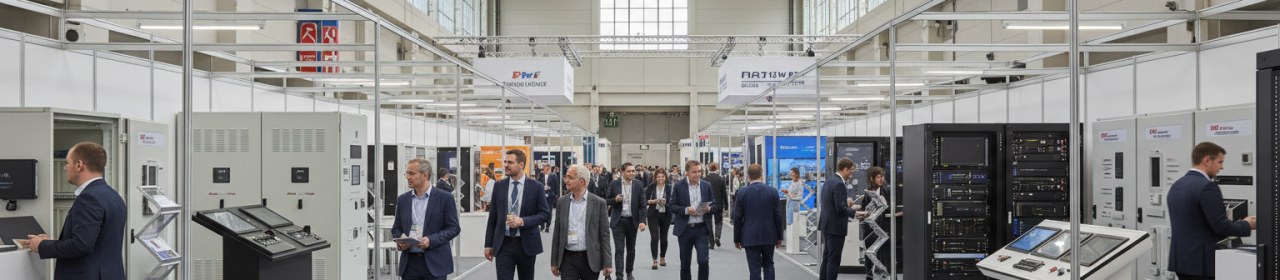
12th ELASIA 2028 is scheduled for 28 April–1 May 2028 at Bangalore International Exhibition Centre (BIEC), 10th Mile, Tumkur Road, Bengaluru 562 162, India. Triune Exhibitors Pvt Ltd organises the event. The organiser describes ELASIA as an international B2B exhibition for power, electrical equipment, controls and lighting, bringing manufacturers, buyers, distributors, EPCs, consultants, utilities and other industry professionals together. Its value for a visitor lies in comparing relevant product groups and conversations with suppliers, not simply walking the floor without a plan.
Why ELASIA matters to the electrical industry
Review connected product fields
ELASIA brings four related areas into one trade-fair setting: power, electrical equipment, controls and lighting. Buyers and technical professionals can use that breadth to consider how supplier offerings fit their projects, purchasing plans or product portfolios.
Compare and discuss
The organiser presents the show as a place for manufacturers, buyers and distributors to connect and discover products. For a visitor, this can support side-by-side comparison and direct questions about product suitability; for an exhibitor, it provides an opportunity to explain products to a professional audience. Actual meetings, access to particular companies and commercial outcomes are not guaranteed.
Understand the announced scale
Ahead of the 11th edition in 2026, the organiser advertised estimated figures of 770+ exhibitors, 50,000+ business visitors, participation from 5+ countries and 221,000+ sq ft of exhibition area. These were pre-show estimates, not a post-event attendance report. They indicate the scale the organiser was promoting for that edition, rather than confirmed results or a forecast for 2028.
Who should visit ELASIA?
Buyers and procurement teams
Useful if you source power or electrical products, compare supplier options or need to discuss technical and purchasing requirements. Before attending, define the application, specifications and decision timetable you need suppliers to address. Use conversations to compare product fit, supply capability and the information needed for internal evaluation.
Electrical distributors and channel partners
Useful if you are assessing product lines or potential supplier relationships across power, electrical equipment, controls and lighting. Prepare a short list of portfolio gaps, target customer types and questions about product range and commercial terms. Treat initial conversations as a way to identify candidates for later due diligence, not as a substitute for it.
EPCs, consultants and utility professionals
Useful if your work involves specifying, planning or evaluating power and electrical solutions. Prioritise the product fields relevant to active or upcoming work, and prepare project requirements that can be shared without disclosing sensitive information. Ask suppliers for the technical documents and compliance details needed for a proper review.
Engineers and technical professionals
Useful if you want to compare equipment or discuss how products may fit operational and project needs. Record the precise application, operating conditions and interface requirements before the show, then ask consistent questions across suppliers so that comparisons remain meaningful.
What can you find at ELASIA?
Power
The organiser identifies power as one of the exhibition's core fields. Visitors with power-sector requirements can use the event to identify relevant suppliers and ask about the products or solutions they present.
Electrical equipment
Electrical products and equipment form a central part of ELASIA's stated focus. Buyers and distributors can compare the ranges represented at the show against their purchasing or portfolio needs.
Controls
Control systems are included in the official exhibition description. Technical visitors can establish which control-related products are relevant to their applications and what supporting specifications they need to assess.
Lighting
Lighting is the fourth named focus area. Visitors can use it to identify suppliers and compare relevant product offerings; the specific exhibitor catalogue and product list for 2028 should be checked with the organiser as they become available.
What makes ELASIA different?
Its stated focus connects power, electrical equipment, controls and lighting in a single B2B exhibition. The organiser describes manufacturers, buyers and distributors as part of its intended business community, and also names EPCs, consultants and utilities among the professionals it brings together. That combination makes the event relevant to both product sourcing and technical evaluation. The organiser's pages promote product discovery and business connections; they do not establish that any particular supplier, buyer or programme will be present in 2028.
What should you try to achieve at ELASIA?
If you are a buyer
Build a shortlist of suppliers whose products merit technical and commercial evaluation. Note the requirement each supplier addresses, the evidence you still need, and the next step for comparing quotations or specifications after the exhibition.
If you are a distributor
Identify product ranges that could fill a defined gap in your portfolio. Compare each candidate against your customer base, service capacity and existing brands; follow up for the documentation required before deciding whether to proceed.
If you are an EPC, consultant or utility professional
Clarify which product options deserve further review for a project or operational need. Keep a consistent record of technical fit, interfaces, evidence requested and unanswered questions.
If you are exhibiting
Use the exhibition to explain a clear product proposition to the right professional audience. Decide which visitor groups matter most and what information will help them understand the product's application. Exhibition participation does not guarantee leads, sales or partnerships.
How to prepare before ELASIA
1. Define the decisions you need to make
Choose a primary objective, such as comparing suppliers, reviewing products in a particular field, identifying a distributor candidate or gathering technical information for a project. Write down what evidence would make a supplier worth following up.
2. Organise your requirements by product field
Separate power, electrical equipment, controls and lighting needs rather than treating the exhibition as one undifferentiated category. For each requirement, note the application, relevant specifications, compatibility or interface questions, timing and the people who will evaluate a solution.
3. Check the organiser's current information
The official visitor-registration page offers a free-entry badge and says registered visitors receive it by email. Check the organiser's website before travelling for the latest registration details, exhibitor information, floor plan, opening arrangements and any programme updates. Do not assume a past-edition layout or exhibitor list applies to 2028.
4. Prepare comparable supplier questions
Ask each relevant supplier the same core questions: which application the product serves; what specifications and interfaces matter; what technical documentation is available; what certification or conformity evidence applies; what support is offered; and what information is needed for a quotation or next-stage evaluation. Verify product-specific requirements independently.
5. Set a realistic follow-up plan
Bring a simple note-taking method and reserve time after the show to sort contacts, request missing documents and assign internal owners. A conversation is most useful when it ends with a clear next action and a record of what remains unverified.
How to make the most of the exhibition
Use a consistent record for every promising conversation: Company → product field → application → evidence received → open question → next action. For example, note whether a controls product appears relevant to a stated project requirement, which technical documents were offered and who will review them. Keep comparisons factual and separate supplier statements from documents you have independently checked.
Prioritise the categories tied to your objective, then leave time for relevant discoveries across the other fields. If the organiser publishes a 2028 exhibitor directory or floor plan, use it to identify companies in advance; confirm current details directly with the organiser rather than relying on a previous edition's material.
How many days should you plan for ELASIA?
One day
May suit a focused visit if you have a small number of priority categories and supplier conversations. Prepare carefully and check the current venue plan and opening arrangements before deciding what can fit.
More than one day
May be useful if your work spans several of ELASIA's four fields, if you need time for technical discussions, or if you are evaluating several suppliers. The official 2028 dates cover four calendar days, but choose your attendance based on the companies and conversations you need rather than assuming every day is necessary.
Who should consider exhibiting at ELASIA?
Manufacturers and suppliers whose products relate to power, electrical equipment, controls or lighting may find the event relevant to their business-development plans. The organiser's exhibitor page invites companies to make an enquiry about exhibiting; it does not provide verified prices or a booking deadline in the information reviewed.
Before enquiring, define the product range to present, the professional audiences you want to reach, the questions visitors should be able to answer and the evidence or demonstrations you can provide. Ask the organiser for current participation terms, stand options, deadlines, visitor profile and the 2028 floor plan. Compare those details with your objectives before committing.
After ELASIA: turn conversations into decisions
Sort contacts by next step: immediate technical review, potential supplier or channel discussion, and general market information. For each priority contact, send a concise recap of the application discussed and request the specific material needed next, such as technical specifications, conformity documentation, product-range details or a formal quotation where appropriate.
Compare supplier responses against the same requirements. Record unresolved questions and involve the technical, procurement or project colleagues who will make the decision. Keep an exhibition conversation distinct from verified product performance, commercial terms or a completed agreement.
ELASIA visitor checklist
Before
- ☐ Define the product fields and decisions that matter to you.
- ☐ Register through the organiser's visitor page and check the badge arrangements.
- ☐ Review the latest exhibitor information, floor plan and programme if published.
- ☐ Prepare technical, purchasing or distribution questions relevant to your role.
During
- ☐ Record the application, product field and evidence discussed at each priority stand.
- ☐ Separate confirmed documentation from verbal claims and follow-up requests.
- ☐ Note a named contact and a clear next action for each useful conversation.
After
- ☐ Send targeted follow-up requests while conversations are still easy to recall.
- ☐ Compare product and supplier information against the same requirements.
- ☐ Share relevant findings with the colleagues responsible for technical and commercial decisions.
Is ELASIA worth visiting?
ELASIA is most relevant to professionals whose work touches power, electrical equipment, controls or lighting and who have a defined reason to meet suppliers or compare products. Buyers, distributors, EPCs, consultants, utilities and engineers can make their time more useful by preparing category-specific questions and recording what evidence they need next. The event's official pages establish its professional focus and 2028 dates; the current exhibitor list, detailed programme and participation terms should be confirmed with the organiser as they are published.
ELASIA 2028 at a glance
| Item | Information |
|---|
| Event | 12th ELASIA 2028 |
| Dates | 28 April–1 May 2028 |
| City and country | Bengaluru, India |
| Venue | Bangalore International Exhibition Centre (BIEC), 10th Mile, Tumkur Road, Bengaluru 562 162 |
| Organiser | Triune Exhibitors Pvt Ltd |
| Main fields | Power, electrical equipment, controls and lighting |
| Professional audiences | Manufacturers, buyers, distributors, EPCs, consultants, utilities and other industry professionals |
| Visitor entry | The organiser's visitor-registration page offers a free-entry badge; check current arrangements before attending. |
| 2026 pre-show estimates | 770+ exhibitors, 50,000+ business visitors, 5+ participating countries and 221,000+ sq ft of exhibition area; announced before that edition, not post-show results. |
Make your ELASIA visit purposeful
Decide which products, supplier conversations or technical questions deserve your time, then record what you learn and what still needs verification. Prepare. Compare. Discuss. Evaluate. Follow up.
Discover Bengaluru
Bengaluru combines historic architecture, civic landmarks and major green spaces, according to Karnataka Tourism. BIEC's official address is on 10th Mile, Tumkur Road, Bengaluru; the following attractions are in the city.
Bengaluru Palace
Karnataka Tourism describes this 19th-century royal residence as a Tudor-inspired landmark associated with the Wadiyar dynasty, with ornate interiors, courtyards and grounds.
Tipu Sultan’s Summer Palace
This late-18th-century teakwood palace is an example of Indo-Islamic architecture and offers a view into Bengaluru's pre-colonial history.
Lalbagh Botanical Garden
Established in 1760, the 240-acre botanical garden is known for its plant diversity and historic landmarks.
Visitors can set aside time to explore Bengaluru around their exhibition days, checking current opening and visitor information for each attraction before making plans.
See the ilikevents services for this event
For further information, please click
here .