Wasma 2027: environmental technologies in Moscow
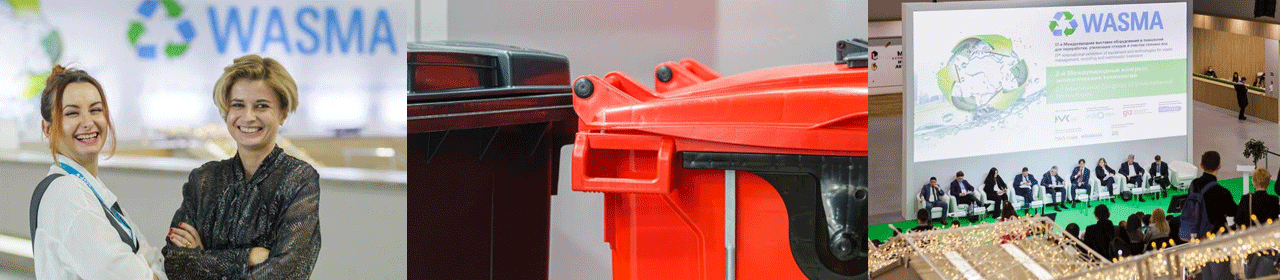
Wasma, the 23rd International Exhibition of Environmental Technologies, runs from 30 March to 1 April 2027 at Timiryazev Center, Chayanov Hall, Moscow, Russia. The exhibition covers equipment and technologies for waste collection and recycling, water and air treatment, environmental monitoring and municipal services. It is organised by MVK International Exhibition Company; the 2026 edition also named the Russian Environmental Operator Public Law Company as co-organiser.
For buyers and technical teams, the value is in comparing equipment against real operating needs. For manufacturers and service providers, it is a specialist setting to present technologies and discuss their application with industrial, municipal and utility audiences. The organiser says a new secondary raw materials and recycled materials section will join the 2027 exhibition.
Why Wasma matters to environmental technology professionals
Compare solutions for operational needs
Waste processors, industrial sites, regional operators and municipal services can use the exhibition to review technologies for collection, sorting, recycling and disposal, alongside water and air treatment. Set a clear technical brief before comparing products: feedstock or wastewater characteristics, required throughput, site constraints, automation needs, service support and applicable operating requirements.
Connect the material cycle
The new 2027 section is intended to bring producers and suppliers of secondary resources together with technologies that return recovered materials to production. This links collection and processing equipment with the next step in the value chain: identifying where recycled materials can be used as industrial inputs.
Follow industry discussions
At the 2026 edition, the organiser reported more than 50 exhibiting companies and over 1,500 specialists from 56 Russian regions. Its business programme drew 850 listeners and featured over 120 speakers. These are reported figures for 2026, not forecasts for 2027. That edition included sessions on environmental technologies, industrial and municipal wastewater treatment, waste management and extended producer responsibility.
Who should visit Wasma?
Waste processors, recyclers and sorting-plant teams
Useful if you are assessing equipment or process changes for a facility. Prioritise solutions for your waste streams, sorting requirements, contamination levels, throughput and downstream material quality. Ask suppliers about integration, maintenance, consumables and the operating conditions their systems require.
Industrial and construction companies
For environmental, engineering and procurement teams, Wasma can help compare approaches to industrial waste, wastewater, emissions and resource efficiency. Bring a concise description of the problem, relevant process data and any site or compliance constraints; use these to test whether a solution is suitable for further technical evaluation.
Municipal services, regional operators and utilities
Regional waste operators, municipal facilities, housing and utilities organisations, water utilities and landfill operators were represented in the 2026 visitor profile. These teams may focus on collection fleets, sorting and treatment capacity, water-management systems, monitoring and infrastructure requirements. Confirm each product's suitability for your service area and procurement process directly with its supplier.
Environmental equipment manufacturers and distributors
Visitors responsible for sourcing or distribution can compare manufacturers across waste, water and air technologies. Use the exhibition to clarify product specifications, local service arrangements, spare-parts availability, delivery conditions and the support needed for installation and operation.
What can you find at Wasma?
Waste collection, sorting and recycling
- Equipment and technologies for waste collection, storage, transport, sorting, processing and disposal
- Solutions for recycling industrial and municipal waste, including hazardous-waste treatment
- Municipal and specialised vehicles
Water, air and environmental systems
- Industrial and municipal water and wastewater treatment
- Air purification, emissions reduction and filtration systems
- Environmental monitoring and impact-assessment technologies
- Digital tools for resource management and environmental processes
Secondary raw materials
From 2027, the organiser plans a dedicated section for secondary raw materials and recycled materials. It is intended to include producers and suppliers of secondary resources and broaden the exhibition's coverage from waste recovery to material reintegration in production.
What made the 2026 programme relevant?
The 2026 business programme is a guide to the subjects discussed at the previous edition, not a confirmed schedule for 2027. It included the International Congress of Environmental Technologies, a conference on industrial and municipal wastewater treatment, and a lecture series on waste management. Topics included complex industrial effluents, mine-water purification, wastewater sludge, extended producer responsibility, construction and demolition waste, organic waste recycling, digitalisation and secondary materials. Check the organiser's programme information closer to the exhibition for the 2027 agenda.
How to prepare before Wasma
1. Define the problem or sourcing objective
Write down what you need to improve or buy: a collection or sorting line, recycling equipment, a wastewater process, air treatment, monitoring or a municipal fleet requirement. Add technical parameters and operating constraints so that discussions can move beyond general product descriptions.
2. Organise your targets
When the current exhibitor information is available, divide companies into three groups: A — essential suppliers or partners; B — relevant alternatives and adjacent technologies; C — additional products to explore if time allows. The organiser publishes exhibitor information and product categories for the exhibition; check the current edition's materials before finalising your list.
3. Prepare supplier questions
- Which waste streams, feedstocks or water characteristics can the equipment handle?
- What throughput and output quality can it achieve under stated operating conditions?
- What site preparation, utilities and integration work are required?
- Which monitoring, automation and safety features are included?
- What maintenance, spare parts, consumables and operator training are needed?
- Which tests, certifications or approvals apply to the proposed installation?
- What commissioning, service and delivery arrangements are available?
How to make the most of Wasma on site
Use a short comparison record for each conversation: Company → technology → problem addressed → technical evidence → follow-up action. For example, distinguish a wastewater system's stated treatment process from its performance on your own influent, and record what samples, tests or engineering data would be needed for a proper evaluation.
Prioritise the 2027 business programme when it is published, particularly sessions that match your technical or policy questions. Keep time for both the exhibition floor and discussions: the 2026 programme included multiple parallel conference and lecture formats, but the 2027 schedule has not yet been confirmed in the reviewed information.
Travelling to Wasma
The organiser lists Timiryazev Center, Chayanov Hall, in Moscow, with Petrovsko-Razumovskaya metro station, exit 5, as a public-transport reference. The venue address published by the exhibition complex is Verkhnyaya Alley, 6, building 1, Moscow. The organiser lists opening hours of 10:00–18:00 on 30 and 31 March and 10:00–16:00 on 1 April 2027. Confirm current access arrangements and opening times before travelling.
Who should consider exhibiting at Wasma?
The exhibition's stated categories include waste collection, sorting, recycling and disposal technologies; water and wastewater treatment; air purification and emissions control; environmental monitoring; municipal and specialised vehicles; and secondary raw materials. Manufacturers, technology suppliers and distributors may find the audience relevant if they can explain practical applications, operating parameters and after-sales support to waste processors, industrial companies, utilities and regional or municipal organisations.
Before committing, define the result you want from exhibiting: qualified technical discussions, product feedback, distribution research or visibility with a particular type of operator. Prepare evidence such as process data, installation examples and service details, and agree how your team will record and follow up enquiries. Exhibition participation does not guarantee sales or contracts.
Wasma visitor checklist
Before
- ☐ Define the facility, process or purchasing decision you want to address.
- ☐ Check the current exhibitor and programme information when published.
- ☐ Prepare technical specifications, questions and target companies.
- ☐ Confirm registration, opening hours and travel requirements.
During
- ☐ Compare solutions against the same operating criteria.
- ☐ Record technical evidence, conditions and unanswered questions.
- ☐ Separate product claims from details that need testing or engineering review.
- ☐ Note a named contact and a clear next step for each useful discussion.
After
- ☐ Request missing specifications, test data, references or service terms.
- ☐ Compare suppliers against your original requirements.
- ☐ Assign responsibility and a date for each follow-up.
Is Wasma worth visiting?
Wasma is most relevant to professionals who work directly with waste collection, sorting, recycling, industrial or municipal wastewater, air treatment, environmental monitoring and related infrastructure. It is particularly useful when you arrive with a defined operational problem, a purchasing brief or a technology area to investigate. The 2026 audience and programme figures indicate a specialist industry gathering, while the 2027 edition's new secondary-materials section adds a circular-resource focus. A planned supplier list and clear questions will make comparisons more useful than an unstructured walk through the exhibition.
Wasma 2027 at a glance
| Item | Information |
|---|
| Event | Wasma — 23rd International Exhibition of Environmental Technologies |
| Date | 30 March–1 April 2027 |
| City and country | Moscow, Russia |
| Venue | Timiryazev Center, Chayanov Hall |
| Organiser | MVK International Exhibition Company |
| Main sectors | Waste management and recycling; water and wastewater treatment; air treatment; environmental monitoring; municipal vehicles; secondary materials |
| Latest published scale | 2026: more than 50 exhibiting companies; over 1,500 specialists from 56 Russian regions |
| Programme | 2026 programme reported; 2027 programme not yet confirmed in the information reviewed |
Plan a purposeful visit
Choose the operating challenge or sourcing decision you want Wasma to help you investigate. Compare technologies against consistent technical criteria, capture evidence and follow up on the questions that matter to your facility or business.
Discover Moscow
Moscow offers cultural visits alongside a business programme. Wasma takes place at Timiryazev Center in Moscow.
State Tretyakov Gallery
The State Tretyakov Gallery's historic collection spans Russian art from the 12th to the early 20th century, with its main gallery on Lavrushinsky Lane.
New Tretyakov
At Krymsky Val, New Tretyakov presents 20th-century and contemporary art. These two collections offer different perspectives on Russian art; visitors can plan time around the exhibition days according to their interests.
For further information, please click
here .