Frankfurt Book Fair 2027
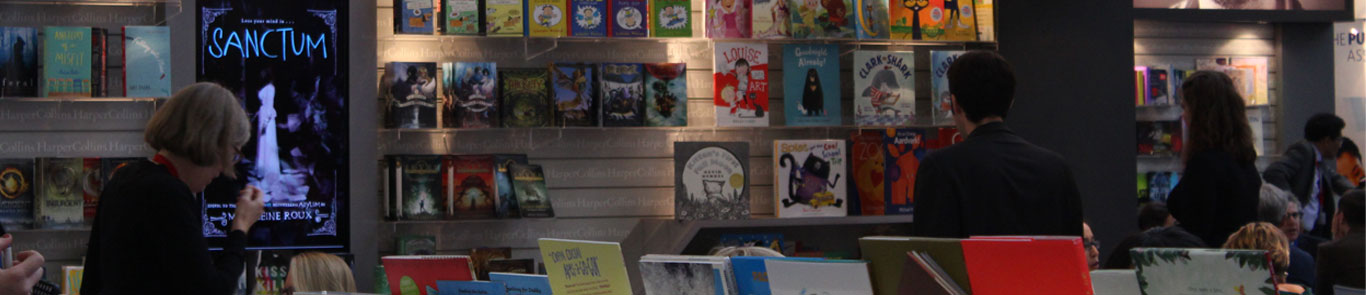
Frankfurter Buchmesse takes place from 6–10 October 2027 at Messe Frankfurt in Frankfurt am Main, Germany. It is an international trade fair for books, publishing and media, and also a public cultural event. Publishers, agents, booksellers, rights buyers and creative-industry partners use the fair to explore content, discuss publishing rights and consider new business relationships; readers can engage with books, authors and public events.
Its value lies in the convergence of a publishing marketplace and a broad programme of literary and cultural exchange. The 2027 programme and detailed visitor information are to be checked as the organiser publishes them. This guide uses documented formats and recent information to help visitors and exhibitors plan with purpose.
Why Frankfurt Book Fair matters
Explore publishing and media in one place
The fair covers printed and digital content, from fiction and children’s books to scientific databases, alongside partners in technology and creative industries such as film and games. This range gives publishing professionals a setting to consider how content can travel between languages, formats and markets.
Make time for rights and licensing
Frankfurt is an important setting for international rights trading. Publishers, literary agents and scouts can use meetings to present titles, assess translation or adaptation interest and understand what other markets are seeking. A conversation is a starting point, not a guaranteed transaction: come prepared with the rights information and next steps that would make an opportunity actionable.
Connect professional exchange with public culture
The fair is also a literary festival and public forum. Author events, readings and discussions bring readers and publishing professionals into the same wider environment, while industry sessions address the future of publishing and content. In 2026 the official homepage displayed 4,000 exhibitors, 236,000 visitors and 3,800 events, illustrating the scale of the previous edition.
Who should visit Frankfurt Book Fair?
Publishers, literary agents and rights teams
Useful if you need to present a catalogue, acquire translation rights, evaluate adaptation potential or build relationships with international publishing partners. Prioritise titles and territories that fit your list, and prepare a concise rights brief for each priority work. Check the organiser’s current professional programme and rights-meeting arrangements when 2027 details are available.
- Identify titles for which you control or represent rights.
- Prepare accurate information on available languages, territories, formats and rights status.
- Set clear objectives for acquisition, licensing or follow-up discussions.
- Record the counterpart, title, rights discussed and agreed next action after each meeting.
Booksellers, distributors and retail buyers
The fair can help you survey publishing ranges and consider titles, formats and suppliers for your customers or channels. Build a focused list by category, audience and season rather than trying to cover every stand. When evaluating a title or supplier, capture commercial terms and delivery details for later confirmation; do not treat a brief conversation as a complete purchasing decision.
- Compare catalogue fit, format, target readership and planned availability.
- Note which titles require a second review or sample copy.
- Ask how a supplier handles distribution, metadata and updates for your market.
Publishing technology and creative-industry professionals
Technology firms, service providers and partners from film, television and games may find points of contact with publishers exploring digital formats, audio, rights management or cross-media development. Start with a concrete problem or capability, then look for a relevant publishing counterpart. The event does not guarantee a partnership or access to a particular company.
- Define the content type, workflow or adaptation challenge your solution addresses.
- Prepare examples that show the rights, production or distribution questions involved.
- Identify what information you would need before assessing a collaboration.
Authors, illustrators and book professionals
Authors and illustrators can follow public discussions and discover how publishing communities present books and stories. Editors, translators, scouts and other intermediaries can focus on the professional conversations and categories most relevant to their work. Confirm the 2027 programme before planning around a particular participant or session.
Readers and literature enthusiasts
Public visitors can explore books, attend public events and engage with literary communities. The best visit depends on the programme and access arrangements published for 2027. Use official fair information to identify events and areas that match your interests, and check ticket information before making plans.
What can you find at Frankfurt Book Fair?
Books and publishing content
- Fiction and general-interest publishing.
- Children’s and young adult books and media.
- Academic, scientific and educational publishing.
- Independent publishers and their catalogues.
- Comics, manga and related games and visual storytelling.
Rights, licensing and adaptation
- International publishing rights and licensing discussions.
- Translation rights and title acquisition.
- Audio-book adaptation and other format licensing.
- Book-to-screen and cross-media development conversations.
Digital and specialist formats
- Digital publishing and publishing technology.
- Audiobooks, audio publishers, platforms and related services.
- Educational media and services for learning.
- Stationery and gifts in themed collective presentation formats.
These categories describe the organiser’s stated profile and participation formats; check the 2027 exhibitor list and programme when published.
What makes Frankfurt Book Fair different?
It combines international publishing business with a public-facing literary and cultural programme. The organiser describes the event as a hub for rights and licensing and a meeting point for publishers, authors, readers and partners from technology and creative industries. Exhibitors can choose between a dedicated stand, table-based formats for rights meetings, and themed collective exhibitions. The organiser lists options including audio books, independent publishers, stationery and gifts, and comics, manga and games.
Recent programme examples show how the fair reaches beyond book display. In 2026, the organiser highlighted Book-to-Screen Day, an audio programme, professional discussions about artificial intelligence and rights trading, and public events around literature and visual storytelling. These are examples from the previous edition, not a promise of the 2027 schedule.
What should you try to achieve at Frankfurt Book Fair?
If you work in rights or publishing
Example objective: leave with a prioritised follow-up list for a defined set of titles and territories. Identify the rights you can offer or seek, relevant language or adaptation markets, and information needed for a serious next conversation. During meetings, record the title, rights scope, counterpart and next action. After the event, send agreed materials and clarify open terms.
If you buy, distribute or sell books
Example objective: compare a manageable group of catalogues against a specific readership or buying need. Keep notes on title fit, format, availability, metadata and supplier follow-up. Separate immediate purchasing questions from longer-term market discovery so promising titles are not lost among brochures.
If you provide technology or creative services
Example objective: identify relevant publishing workflows or content types for further evaluation. Explain the problem your service addresses and ask what rights, format, integration or distribution constraints matter to a prospective partner. Treat a positive conversation as a lead for structured follow-up, not a concluded agreement.
If you attend as a reader
Example objective: select the public events, authors or book categories that matter most to you. Review the published schedule and plan around confirmed information rather than assuming a particular author or session will appear.
How to prepare before Frankfurt Book Fair
1. Define your purpose
Write down the decision or discovery you want the visit to support: rights acquisition, rights sales, supplier comparison, catalogue review, technology research or public events. A specific aim makes it easier to choose halls, meetings and sessions once current information is published.
2. Build a target list
Use the organiser’s exhibitor directory and fair app when the 2027 information is available. Mark each target A — essential, B — useful, or C — explore if time permits. Add a short reason beside each name, such as a title, category, territory, format or service that makes the contact relevant.
3. Prepare rights and catalogue materials
For rights discussions, verify that catalogue information is current and explain who controls each right, which territories and languages are available, and what formats may be considered. For purchasing conversations, keep catalogue, format and supply questions separate from licensing questions. Do not circulate confidential material unless it is appropriate to share.
4. Arrange meetings and leave room to explore
Request appointments through the channels the organiser makes available, especially where you need a focused rights or supplier conversation. Allow time between meetings and keep an open block for unexpected discoveries, public events or a stand that deserves a closer look. A schedule with no margin is difficult to use at a large, information-dense fair.
5. Prepare practical questions
- Which rights, territories, languages and formats are available or represented?
- What can the publisher share about a title’s intended readership and positioning?
- What are the next steps for reviewing a translation or adaptation proposal?
- Which catalogue, metadata or sample materials can be sent after the fair?
- What distribution, availability or delivery information should be confirmed separately?
- For technology providers: what workflow, formats and rights permissions does the service require?
- For booksellers or distributors: what range, metadata and supply details are needed for review?
- For readers: which public events and access arrangements are officially confirmed?
6. Check current arrangements
The organiser’s exhibit page says 2027 exhibitor registration is scheduled to begin in late October 2026. Check current official information for the opening and participation options. Confirm ticketing, access, app and travel details close to the event.
How to make the most of the fair
Use a repeatable note format after each important conversation:
- Company or person: who you met and their role.
- Title, product or service: the specific item discussed.
- Why it is relevant: the audience, territory, workflow or business need.
- Information needed: rights scope, catalogue, sample, technical details or commercial terms.
- Next action: who will follow up, with what material, and by when if agreed.
For rights teams, separate initial interest from a concrete proposal and make the rights scope explicit in your notes. For buyers, keep supplier comparisons consistent so differences in format, availability and terms can be reviewed later. For technology or adaptation discussions, record the content and rights requirements that would need to be resolved. The official app provides exhibitor and event information, personal favourites, a calendar and an interactive hall plan.
Beyond the exhibition floor
The programme adds professional exchange and public culture to the exhibition. The 2026 official press information highlighted a trade programme on AI, rights trading and industry change; Book-to-Screen Day on film and television adaptation; an audio programme covering publishers, platforms and audio technologies; and public events around books, comics, manga and visual storytelling. These examples show the event’s breadth, but the organiser’s 2027 schedule should be consulted for confirmed sessions, speakers and timings.
When the next programme is published, compare session topics with your objectives. A rights professional may select discussions that sharpen a market question; a technology provider may look for relevant workflow sessions; a reader may prioritise author events. Check access conditions and allow time to move between programme spaces and meetings.
Networking at Frankfurt Book Fair
Make each meeting useful by opening with a short explanation of your role and purpose. A publisher or agent can state which rights are available and which markets are relevant; a buyer can describe the category and audience they serve; a technology or creative partner can explain the problem their work addresses. Ask focused questions and leave room for the other person’s priorities.
Before ending a conversation, agree what should happen next, if anything: send a catalogue, share a rights list, review a sample, arrange a technical discussion or reconnect after internal evaluation. Ask permission before distributing materials or adding someone to a mailing list. A clear next step is more valuable than collecting contacts without context.
Travelling to Frankfurt Book Fair
The organiser describes the exhibition grounds as centrally located and identifies bus, train, plane and car as ways of reaching the fair. Its visitor pages provide fair-specific arrival guidance and an app with practical information. Check 2027 access arrangements, entrances and parking with the organiser before travel; do not assume previous-edition arrangements will be unchanged.
Keep the confirmed venue separate from your own travel decisions. Check current admission and accessibility information, allow time for entry and navigation, and use the published hall plan to orient yourself when available.
One day or several days at Frankfurt Book Fair?
The fair runs for five days, but the right duration depends on your purpose and the final programme.
- One day: may suit a visitor with a short target list, focused meetings or a small number of confirmed public events. Prioritise the essentials and allow time to move between them.
- Two days: may suit buyers or publishing professionals combining meetings with catalogue discovery or programme sessions. Keep one block flexible for follow-up conversations.
- Several days: may be useful for exhibitors, rights teams with a full schedule, or visitors combining professional and public events. Review the published schedule and exhibition information before deciding.
Match the duration to your meeting calendar, access needs and the time required to review what you find.
After Frankfurt Book Fair: where the value starts
After the fair, sort notes into three groups:
- A — Immediate: an agreed action, requested material or time-sensitive decision.
- B — Potential: a relevant contact or title needing internal review or more information.
- C — Market intelligence: a trend, competitor observation or category lead to retain.
Follow up with the exact context of the discussion. Rights teams can confirm the work, territory, language and rights scope under consideration. Buyers can request catalogues, samples, availability or commercial details for evaluation. Technology and creative-industry teams can clarify technical requirements, permissions and the people needed for a next discussion. Record what remains unverified and do not treat an exploratory conversation as a confirmed agreement.
Who should consider exhibiting?
The organiser’s participation options are aimed at companies and organisations presenting publishing content, rights, services or related media. The 2027 page lists fair stands, table-based formats including the Publishers Rights Centre and Comics Business Centre, and collective exhibitions for areas such as audio books, independent publishers, stationery and gifts, and comics, manga and games.
A stand may fit an organisation seeking a dedicated space for meetings and presentations. Table formats may suit focused rights appointments without a full stand. A collective exhibition may provide a themed setting for an eligible publisher or product category. Compare current requirements, costs and inclusions in the organiser’s information before selecting a format; fees and eligibility are not assumed here. Define an objective in advance, such as presenting a selected catalogue, arranging rights conversations or introducing a service, and decide how to assess it internally.
Frankfurt Book Fair visitor checklist
Before
- ☐ Set one or two clear professional or personal objectives.
- ☐ Check current registration, ticketing and access information.
- ☐ Build and prioritise a target list from the official directory when available.
- ☐ Prepare rights, catalogue or technical information relevant to meetings.
- ☐ Confirm appointments and leave flexible time between them.
- ☐ Review the published programme and travel guidance.
During
- ☐ Use the current hall plan or app to navigate.
- ☐ Record the person, title or service discussed and agreed next action.
- ☐ Distinguish an exploratory conversation from confirmed commercial terms.
- ☐ Keep questions specific to rights, readership, distribution or technology.
- ☐ Make time for relevant public or professional sessions.
After
- ☐ Sort contacts into immediate, potential and market-intelligence follow-up.
- ☐ Send the material or clarification agreed in each conversation.
- ☐ Review titles, rights and suppliers against your original objectives.
- ☐ Note unresolved questions before a purchasing or licensing decision.
Is Frankfurt Book Fair worth visiting?
Frankfurt Book Fair is especially relevant to people working with books, publishing rights, literary content, audio and digital formats, education, comics, or related creative industries. Its broad professional and public programme can also appeal to readers and cultural visitors. The clearest value comes when you know what to compare, whom to meet or which events to attend. A visit without a plan can make the scale of the fair difficult to translate into useful outcomes; a focused list and careful follow-up help turn discovery into decisions.
Frankfurt Book Fair 2027 at a glance
| Item | Information |
|---|
| Event | Frankfurt Book Fair (Frankfurter Buchmesse) |
| Dates | 6–10 October 2027 |
| City and country | Frankfurt am Main, Germany |
| Venue | Messe Frankfurt |
| Organiser | Frankfurter Buchmesse GmbH |
| Main industries | Books, publishing, rights and licensing, digital and audio media, education, comics and related creative industries |
| Main audiences | Publishers, agents, rights teams, booksellers, distributors, technology and creative-industry partners, authors and readers |
| Latest homepage figures | For 2026, the organiser’s homepage displayed 4,000 exhibitors, 236,000 visitors and 3,800 events |
| 2027 programme | Check the organiser’s current announcements for confirmed programme details |
Dates and location are confirmed; programme, ticketing and practical arrangements should be checked against the organiser’s current 2027 information.
Plan a purposeful visit
What do you want to discover, compare or move forward at Frankfurt Book Fair that would be difficult to assess from a catalogue or screen alone? Choose your priorities, prepare for the conversations that matter, and leave space to encounter new ideas. Discover. Compare. Discuss. Follow up.
Publishing opportunities in Germany
Market size and demand
The U.S. International Trade Administration’s Germany Publishing market brief reports that German publishers sold 6,669 book rights abroad in 2024, up 2.2% from 6,527 in 2023. The same brief says children’s and young adult titles represented 38.9% of those contracts and fiction 23.2%. These are reported rights transactions, not a measure of total publishing revenue or a forecast; they indicate activity in international licensing and show which segments accounted for a share of recorded rights sales.
Market drivers and commercial opportunities
The documented increase in rights sold abroad provides a reason for publishers and agents to investigate translation and licensing conversations. It does not establish that a particular title will find a buyer or that the market is easy to enter.
- Translation and territorial licensing: publishers and agents with rights to offer could investigate demand for selected works across languages and territories. Rights availability, translation potential and the fit of each title need individual assessment.
- Children’s and young adult publishing: the cited 2024 rights-contract mix gives rights holders and acquiring editors a reason to compare suitable catalogues. The share is not a guarantee of interest in an individual book.
- Fiction rights: fiction accounted for 23.2% of reported rights contracts in 2024, offering a defined category for publishers and agents to examine. Competition, language fit and contractual scope remain important.
Regulations and market-entry conditions
No current Germany-specific publishing regulation or market-entry rule was confirmed here from a primary German legal or regulatory source. Companies should verify applicable tax, pricing, distribution, rights and contractual requirements with qualified advisers and relevant authorities before making commercial decisions.
What this means for exhibitors
Publishers, rights agents and related exhibitors may use the fair to present a selected rights catalogue, compare interest by territory and identify what additional information a prospective partner needs. The reported 2024 rights data can frame questions, but it does not imply access to a buyer or a completed deal.
What this means for visitors
Acquiring editors, translators, agents and other visitors could use the documented rights activity to focus a search by genre, audience and language. They may compare catalogues and discuss rights scope, but should confirm availability, terms and market fit with the relevant rights holder.
Discover Frankfurt
Frankfurt combines a modern skyline with a historic centre and a concentration of museums along the River Main. Messe Frankfurt is in Frankfurt am Main, the same municipality as the host city.
Römer Town Hall and the historic centre
The city’s official tourism information identifies Römer Town Hall as a historic-centre landmark and a place to explore Frankfurt’s civic history.
Emperors’ Cathedral and St Paul’s Church
Frankfurt’s official tourism board highlights both buildings as places to discover the city’s history. Their central setting makes them cultural stops for visitors with time beyond the fair.
Museum Embankment
The official tourism board describes the Museum Embankment along the River Main as a cultural district lined with museums, including the Städel Museum. It offers an art-focused contrast to the fair’s publishing and media programme.
Consider setting aside time for one or two city experiences around confirmed fair commitments. Check current opening and visitor information directly with each attraction.
See the ilikevents services for this event
For further information, please click
here .