Shanghai International Hosiery Purchasing Expo 2027
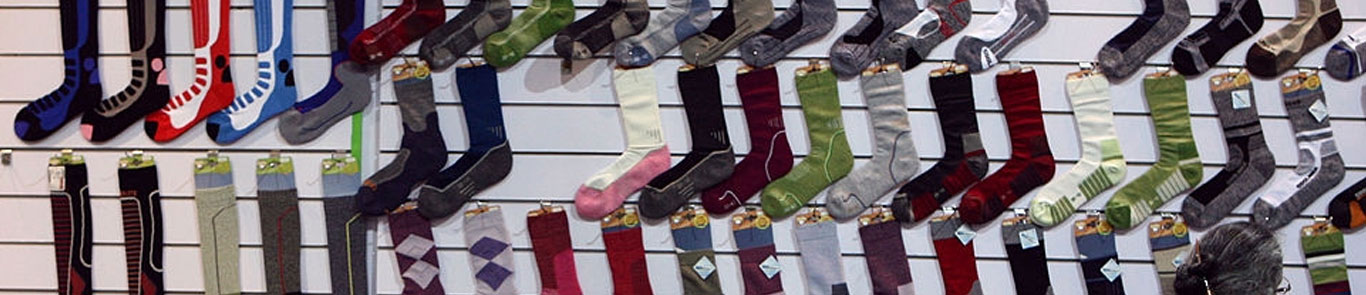
Shanghai International Hosiery Purchasing Expo (CHPE) is scheduled for 22–24 March 2027 at the Shanghai World Expo Exhibition & Convention Center, Shanghai, China. The organiser describes CHPE as a specialist commercial exhibition for the socks and hosiery sector. Its published scope covers finished hosiery, raw materials and production equipment, giving professional visitors a place to examine more than one part of the supply chain.
The exhibition is the 21st edition. The event website says CHPE was founded in 2005 and has held 20 sessions. The organisers listed for the event are ITE Group, Shanghai Gehua Exhibition Service Co., Ltd. and Shanghai AIGE Exhibition Service Co., Ltd.
Why Shanghai International Hosiery Purchasing Expo matters
Assess finished hosiery and inputs together
CHPE's scope brings socks, tights and pantyhose alongside yarns, fibres and production equipment. Buyers can compare finished-product options while manufacturers and sourcing teams consider the materials and machinery used to make them. This is especially useful when a purchase decision depends on both product characteristics and the supplier's ability to support repeat production.
Compare products against a defined brief
Hosiery ranges differ by fibre, knit construction, thickness, stretch, finish and intended use. Before meeting suppliers, set out the intended customer, product type, performance requirements, target price and expected order conditions. Those criteria make comparisons more useful than collecting samples without a decision in mind.
Use the organiser's scale claims carefully
The organiser's current event page lists 50,000 m² of exhibition area, more than 1,000 exhibitors and more than 30,000 visitors. The page does not attach those figures to a dated edition, so use them as the organiser's published scale indicators rather than as a verified result for a particular year.
Who should visit Shanghai International Hosiery Purchasing Expo?
Hosiery buyers, importers and distributors
Useful if you source socks, tights or pantyhose for retail, wholesale or private-label ranges. Focus on product construction, fibre content, size range, finishing, packaging, minimum order quantities and the supplier's ability to maintain consistent specifications. The organiser positions CHPE as a purchasing exhibition and says it attracts professional buyers and purchasers.
Retail and fashion-accessory purchasing teams
Retailers and category buyers can assess whether hosiery products suit their customer segments and seasonal assortments. Compare everyday, performance, children's, health-related and fashion-oriented products where suppliers offer them. Record the intended price point, materials, colour range and delivery requirements for each candidate product; do not infer availability or commercial terms from a sample alone.
Hosiery manufacturers and factory managers
Manufacturers can review fibres, covered and elastic yarns, knitting machinery and related production equipment listed in the official exhibit scope. Match any equipment enquiry to the products you make, the required construction and the production constraints you need to solve. Ask suppliers to explain machine capability, suitable yarns, output assumptions, maintenance and service arrangements for your own operating conditions.
Product developers and sourcing specialists
Design, product-development and sourcing professionals may use the show to compare material hand, stretch, thickness and construction across socks and tights. Bring existing specifications or samples where appropriate, and note which properties are essential versus negotiable. The event's published categories include raw materials and a range of hosiery types, but a particular supplier or product should be confirmed directly.
What can you find at CHPE?
Socks
- Men's, women's, children's and baby socks
- Sports, ski, golf, health, massage and student socks
- Cotton, silk, terry and other listed constructions
- Boat, ankle, mid-calf, knee-high and other sock lengths
Tights and pantyhose
- Ultra-thin, opaque, velvet and fleece-lined tights
- Wool-blend and thermal hosiery
- Compression, shaping and other functional tights
- Antibacterial, odour-resistant and heat-generating fibre products listed in the organiser's scope
Raw materials and yarns
- Spandex, polyester, cotton, nylon and acrylic
- Covered yarn, elastic yarn, polypropylene and blended or fancy yarn
- Lace, Lycra core yarn, nylon elastic yarn and functional fibres
Production equipment
- Flat and circular knitting machines
- Single- and double-cylinder sock machines
- Jacquard, terry, embroidery and computerized sock machines
- Knitting and sewing integrated machines and other sock-production equipment listed by the organiser
What makes Shanghai International Hosiery Purchasing Expo different?
Its published scope connects finished hosiery with production inputs and machinery. Rather than focusing only on consumer-facing product design, CHPE covers product categories from socks, tights and pantyhose to yarns, fibres and knitting equipment. That combination may help buyers and manufacturers frame supplier discussions around the whole product brief: what the item must do, which materials could meet the specification and what production capability is required.
The organiser also places CHPE within the Fashion Accessories Shanghai series alongside other specialist exhibitions. Visitors interested in adjacent fashion-accessory categories may find that co-location relevant, while hosiery buyers can keep their primary sourcing objectives focused on the CHPE scope.
What should you aim to achieve at CHPE?
If you are a buyer or distributor
Build a shortlist of suppliers whose hosiery ranges meet a defined customer and price brief. Record product type, fibre content, construction, sizes, colours, packaging and the commercial questions that remain unanswered.
If you are a manufacturer
Identify materials or equipment worth evaluating against one production need. For each candidate, record the product application, compatibility questions, capacity assumptions, support requirements and information needed for a technical assessment.
If you develop hosiery products
Compare a small set of material and construction options for one product concept. Note the differences that matter to performance, comfort, durability, appearance and target cost, then request the relevant specifications from suppliers.
How to prepare before Shanghai International Hosiery Purchasing Expo
1. Define the product brief
Write down the end use, wearer, product type, fibre composition, construction, thickness, stretch, size range, target retail or purchase price and expected delivery window. Separate mandatory requirements from preferences. For machinery, note the product constructions and production problem the equipment must address.
2. Decide which supply-chain question matters most
Choose whether your priority is finished-product sourcing, yarn or fibre comparison, production equipment, or a combination. A clear priority helps you spend time on relevant stands rather than treating every listed category as equally important.
3. Check current exhibitor and visitor information
The organiser provides an exhibitor list, a visitor guide and free-visitor registration through its website. Check the current edition's information before travelling, confirm registration requirements and review the exhibitor list when available. Do not assume that a supplier from an older list will participate in 2027.
4. Prepare comparison questions
- Which fibres and yarn constructions are used, and can the supplier provide composition details?
- What knit structure, thickness, stretch or finishing options are available for the product?
- Which sizes, colours and packaging formats can be specified?
- What minimum order, sample, lead-time and repeat-order conditions should be confirmed?
- For equipment, what products and yarn types is the machine designed to handle?
- What output assumptions, operator skills, maintenance and after-sales support apply?
- Which testing, labelling or product-compliance documents are relevant to your target market?
- Can the supplier provide written specifications and a clear next step after the discussion?
5. Prioritise meetings
Classify target exhibitors as A — essential to your current sourcing or production brief; B — useful alternatives or adjacent suppliers; and C — explore if time allows. Use the organiser's current exhibitor directory where available, and confirm participation directly before scheduling a critical meeting.
How to make the most of the exhibition
Use one consistent note for every serious supplier conversation: Company → product or machine → specification match → open question → contact → next action. For example, a buyer comparing sports socks can record fibre blend, knit construction, cushioning, sizes, packaging and sample availability in the same format for each supplier.
Separate what you observed from what still needs confirmation. A sample can show appearance and hand feel, but it does not establish production capacity, repeatability, testing results, lead time or final price. Ask for written details when a point affects your decision, and mark unverified claims for follow-up.
For yarn and equipment discussions, explain the intended product and operating context rather than asking only for a catalogue. This helps suppliers identify whether a material or machine is relevant and makes it easier to compare technical responses after the show.
Plan your three days at CHPE
The organiser schedules the 2027 expo over three days, 22–24 March. Use the first part of your visit to orient yourself around the official exhibit categories and confirm priority supplier locations. Reserve focused time for A-list meetings and technical questions, then use remaining time to compare alternatives across finished hosiery, materials or machinery.
At the end of each day, review notes while product differences are still clear. Mark suppliers that meet the brief, those requiring documentation and those that are not a fit. Keep time for follow-up conversations rather than trying to collect a sample from every stand.
Build useful business conversations
Prepare a short introduction covering your role, target product category, market or production application and what you are evaluating. For buyers, state the product specifications and purchasing stage. For manufacturers, explain the current product range or process need. Ask suppliers what information they need to respond accurately, and agree on a practical next step such as a specification sheet, sample discussion or technical review.
Record permission and preferred contact details for follow-up. Avoid treating an exchange of contact details as a confirmed business relationship; evaluate product fit, terms, capacity and compliance through your normal procurement process.
Is one day or all three days useful?
One day
May suit visitors with a narrow hosiery category and a prepared shortlist. Confirm the relevant exhibitors and meetings in advance, then focus on the product groups tied directly to your brief.
Two days
Can provide more room to compare finished goods with raw materials or equipment, or to hold supplier discussions without rushing through every category.
Three days
May be useful when your objectives span several product groups, when you need time for technical conversations, or when you are combining CHPE with co-located fashion-accessory exhibitions. The programme and hall plan should be checked with the organiser before deciding how to allocate each day.
When you have a hosiery sourcing or production project
Bring the information needed to assess fit: product drawings or samples where appropriate, fibre and construction specifications, intended wearer, target market, required sizes and colours, expected order range, timing and any applicable testing or labelling requirements. For equipment, prepare details of existing machinery, yarn inputs, target constructions, production constraints, available floor space and service expectations. Share confidential information only through channels and processes approved by your organisation.
Who should consider exhibiting at CHPE?
The organiser's exhibit scope includes suppliers of socks, tights and pantyhose; yarns and fibres; and hosiery production machinery. Companies in these areas can assess whether the event's professional buyer audience and purchasing focus fit their objectives. Before applying, define the product range to present, the buyer types to reach, the technical information to prepare and the follow-up capacity needed after the show.
Ask the organiser for current participation terms, stand options, deadlines and included services. The previous listing in the staging page contains dated booth information and should not be treated as the 2027 offer. Set a measurable objective such as qualified product discussions or feedback on a defined market range; participation itself does not guarantee sales, orders or partnerships.
Shanghai International Hosiery Purchasing Expo visitor checklist
Before
- ☐ Confirm the 2027 dates, venue, registration requirements and current visitor information with the organiser.
- ☐ Write a product, sourcing or production brief.
- ☐ Review the current exhibitor information and shortlist priority companies.
- ☐ Prepare technical and commercial questions for hosiery, yarn or equipment suppliers.
During
- ☐ Compare suppliers against the same product and specification criteria.
- ☐ Record what is confirmed, what remains open and who owns the next action.
- ☐ Request written product or machine information when it is needed for evaluation.
- ☐ Revisit priority contacts before leaving if a decision-critical question remains.
After
- ☐ Group contacts into immediate evaluation, possible later fit and market information.
- ☐ Request missing specifications, samples or technical documents.
- ☐ Compare quotations and supplier capabilities against your original brief.
- ☐ Record decisions and follow-up dates in your procurement or product-development process.
Is Shanghai International Hosiery Purchasing Expo worth visiting?
CHPE is most relevant to professional buyers, distributors, product developers and manufacturers working with socks, tights, pantyhose, hosiery materials or production equipment. Its published scope is useful for visitors who want to compare products and upstream inputs in one specialist setting. The value of a visit depends on a defined brief and careful supplier comparison; the exhibition alone cannot establish product quality, commercial terms or supplier suitability.
Shanghai International Hosiery Purchasing Expo 2027 at a glance
| Item | Information |
|---|
| Event | Shanghai International Hosiery Purchasing Expo (CHPE), 21st edition |
| Dates | 22–24 March 2027 |
| City and country | Shanghai, China |
| Venue | Shanghai World Expo Exhibition & Convention Center |
| Organisers | ITE Group; Shanghai Gehua Exhibition Service Co., Ltd.; Shanghai AIGE Exhibition Service Co., Ltd. |
| Main sectors | Socks, tights and pantyhose; hosiery yarns and raw materials; production equipment |
| Audience | Professional buyers and purchasers, hosiery and apparel sourcing teams, manufacturers and suppliers |
| Published scale indicators | The current event page lists 50,000 m², 1,000+ exhibitors and 30,000+ visitors; the figures are not assigned to a dated edition. |
| Visitor registration | The organiser provides a free-visitor registration option; confirm current requirements. |
| 2027 programme | Detailed programme information was not established in the official pages reviewed. |
The dates and venue are stated in the organiser's event information. Check the organiser's current visitor and exhibitor pages for edition-specific arrangements before making final plans.
Make your CHPE visit decision-led
Choose a clear objective: find a hosiery supplier, compare a material, or assess production equipment for a defined need. Keep the specification consistent, document open questions and follow up on evidence that matters to your decision. Specify. Compare. Discuss. Verify. Follow up.
Hosiery supply-chain opportunities in China
Market size and demand
Hosiery-specific national market-size or import figures were not verified in the available research. A related but broader indicator from the China National Textile and Apparel Council, reported by Textile Leader, says 2025 intermediate textile-goods exports—including chemical fibres, yarns and fabrics—increased 1.8%; total textile and apparel exports were reported at USD 31.22 billion, down 2.5%. These figures describe broad textile trade, not sock demand or hosiery-market size.
Market drivers and commercial opportunities
The documented export activity in textile intermediate goods provides context for the material categories CHPE lists, including cotton, nylon, polyester, spandex and other yarns. It does not prove product-specific demand or the prospects of an individual supplier.
- Material sourcing: buyers and hosiery manufacturers may compare yarn and fibre specifications against defined product requirements; confirm quality, consistency, pricing and supply terms directly.
- Supplier and channel assessment: exporters and distributors may use discussions to test product fit and understand supplier capabilities; broad export figures do not establish access to buyers or commercial returns.
Regulations and market-entry conditions
Current hosiery-specific import, labelling, testing and market-entry requirements were not verified in this research. Companies should confirm rules for their products and destination market with the relevant authorities and qualified advisers before trading.
What this means for exhibitors
Yarn, fibre and hosiery suppliers may use the event to explain material specifications and assess whether their offer fits manufacturers' stated requirements. The available trade indicator is broad and should not be presented as a forecast of CHPE orders or hosiery demand.
What this means for visitors
Visitors sourcing materials could compare listed yarn and fibre categories and request documentation relevant to their applications. Finished-product buyers should treat the broader textile export data as context only and evaluate suppliers against their own product brief.
For further information, please click
here .