Moscow Heat & Electro 2027
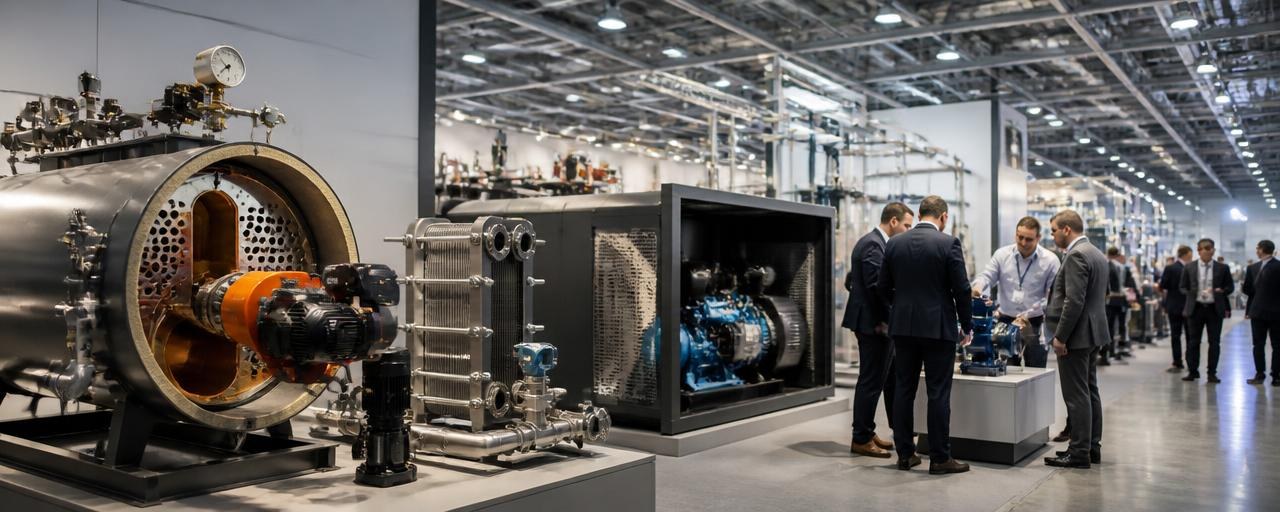
Heat & Electro is an international exhibition of heat engineering and power-generation equipment for industrial enterprises, energy companies and municipal utilities. It covers industrial and municipal boiler systems, small and large energy, autonomous power supply, industrial automation, heat-exchange equipment, pumps, compressors, valves, pipeline systems, measurement and electrical equipment. The event combines product displays with a professional business programme, giving engineers and buyers a setting to compare equipment and discuss operational requirements.
Dates: 21–23 September 2027
Venue: VDNH EXPO, Moscow, Russia
Moscow Heat & Electro at a glance
| Item | Information |
|---|
| Event | Moscow Heat & Electro |
| Full name | Heat & Electro – International Exhibition of Heat Engineering and Power Generation Equipment |
| Edition | 2027 edition |
| Type | Business trade exhibition |
| Category | Power & Energy |
| Dates | 21–23 September 2027 |
| City and country | Moscow, Russia |
| Venue | VDNH EXPO |
| Organiser | Gefera Media LLC |
| Main sectors | Industrial boilers, heat supply, power generation, automation, heat exchange, pipelines, pumps and electrical equipment |
| Main audiences | Industrial and utility engineers, technical buyers, designers, engineering contractors, equipment manufacturers and suppliers |
The 2027 dates and venue are published. Visitor registration is not yet open, and a 2027 business-programme schedule has not been published.
Why Moscow Heat & Electro matters
Compare solutions for heat and power reliability
Boilers, burners, pumps, heat exchangers, control equipment and power-generation systems are connected parts of industrial and municipal supply. Seeing the event’s product categories together can help technical teams compare system options and prepare questions around operating conditions, capacity, control and maintenance.
Connect equipment choices with engineering projects
Industrial enterprises and utilities can use the exhibition to investigate equipment for construction, repair and modernisation projects. Designers and engineering companies can review solutions relevant to specifications and project planning, while suppliers can explain product capabilities to a professional audience.
Combine equipment discovery with technical discussion
The organiser’s 2026 business programme included conferences and technical tours alongside the exhibition. Its published topics included boiler-house modernisation and digital control, autonomous generation, heat pumps and storage, heat-exchange equipment and cooling systems for power engineering. These are examples from the 2026 programme, not a confirmed 2027 schedule.
Exhibition sectors and product groups at Moscow Heat & Electro
Industrial boilers and burners
- Industrial boiler equipment
- Boilers for boiler stations and heating points
- Burners
- Equipment for small-energy facilities
- High-power industrial boilers
Power generation and autonomous supply
- Diesel piston power plants
- Gas piston power plants
- Steam turbines
- Gas turbines
- Equipment for autonomous power supply
- Auxiliary equipment for thermal power plants
Heat exchange and thermal systems
- Heat-exchange equipment
- Cooling systems for power engineering
- Heat-supply equipment
- Systems for industrial and municipal facilities
Pumps, compressors and flow-control equipment
- Pumps
- Compressors
- Valves
- Actuators
- Gas fittings
Automation, measurement and control
- Industrial automation systems
- Thermal power plant control systems
- Control and measuring devices
- Metering devices
- Gas analysers
Heat and water pipelines and electrical equipment
- Pipeline systems for heat supply
- Pipeline systems for water supply
- Pipeline fittings
- Electrical equipment
- Uninterruptible power supplies
Who should visit Moscow Heat & Electro?
Industrial enterprises and energy centres
Useful if your organisation operates its own boiler house, energy centre or industrial utility systems. Focus on:
- Boiler and burner options for the site’s operating requirements
- Heat exchangers and pumps for existing or planned systems
- Automation, measurement and control equipment
- Generation equipment for autonomous supply
- Maintenance, repair and modernisation needs
Relevant roles include chief power engineers, energy managers, production engineers, maintenance managers and procurement teams.
Utilities and heat-supply organisations
Useful if you manage municipal heat supply, heating networks or utility facilities. Prioritise boiler systems, heat-exchange equipment, pumps, valves, pipeline components and control systems, then compare specifications against the network’s technical and service requirements.
Relevant roles include utility power engineers, heating-network specialists, technical directors, operations managers and procurement professionals.
Design, engineering and construction companies
Useful if you design, specify, install or modernise heat and power infrastructure. Review product documentation, system interfaces, control options and the supplier support available for the equipment under consideration.
Relevant roles include design engineers, project engineers, consultants, construction managers and installation specialists.
Manufacturers and equipment suppliers
Exhibiting may suit companies supplying boiler, heat-exchange, pumping, pipeline, automation, generation or electrical equipment. The organiser describes a professional audience spanning industrial enterprises, energy and utilities, agriculture, food and beverage, metallurgy, mining, engineering and construction. Define the buyer groups and applications you need to reach before planning a stand.
Why visit Moscow Heat & Electro?
- Compare boiler and burner systems for a defined heat-supply or industrial application.
- Review pumps, compressors, valves and pipeline components against system requirements.
- Identify relevant heat-exchange and cooling equipment for engineering projects.
- Explore automation, measurement and control products for operating and modernisation needs.
- Assess autonomous generation options, including diesel and gas piston plants and turbine equipment.
- Use technical discussions and any announced programme sessions to sharpen project questions and supplier evaluations.
Why exhibit at Moscow Heat & Electro?
Manufacturers and suppliers can present equipment to engineers and technical decision-makers from industrial, utility and energy-related organisations. The event’s coverage of boilers, heat supply, generation, automation and related systems allows exhibitors to position products in the context of operating projects rather than as isolated components.
Before committing, define the applications and buyer roles your stand should serve, prepare clear technical specifications and confirm participation conditions with the organiser. For Russia market entry, verify current product conformity, import, certification and procurement requirements for each product and customer segment; this guide does not establish those rules.
How to prepare before Moscow Heat & Electro
1. Define the technical question
Choose the project or operational issue that makes the visit worthwhile: boiler replacement, heat-network reliability, heat exchange, autonomous generation, automation or another specific need. Record the relevant capacities, operating conditions and interfaces.
2. Build a product and supplier shortlist
Use the organiser’s exhibitor list when the 2027 directory is available. Group target suppliers by product area and mark each as essential, useful or optional. Registration is not yet open, so check the organiser’s website for visitor updates.
3. Prepare comparable questions
- What operating range and capacity is the equipment designed for?
- Which fuel, heat-transfer medium or system conditions does it require?
- How does it integrate with existing pumps, pipelines and control systems?
- What measurement, automation and safety functions are included?
- What maintenance intervals, spare parts and technical support are available?
- Which technical documents and conformity evidence apply to the product?
4. Plan technical conversations
Bring concise project requirements and, where appropriate, relevant drawings or equipment specifications. Ask suppliers to distinguish standard configurations from optional features and record the next action for every promising discussion.
How to make the most of the exhibition
Compare each product against the same criteria rather than relying on broad claims. For every useful conversation, record: Company → Product → Application → Technical fit → Evidence to verify → Next action. Keep separate notes for purchase decisions, engineering questions and market research so that follow-up is specific and actionable.
Moscow Heat & Electro visitor profile and business opportunities
| Visitor profile | Main interests |
|---|
| Industrial power engineers | Boilers, generation, heat exchange and reliable plant operation |
| Utility and heating-network specialists | Heat-supply systems, pipelines, pumps, valves and controls |
| Industrial technical managers | Repair, modernisation and equipment selection for operating sites |
| Design and engineering companies | Equipment specifications, system integration and project planning |
| Construction and installation firms | Products and components relevant to heat and power projects |
| Industrial procurement teams | Supplier comparison, documentation, service and commercial terms |
After Moscow Heat & Electro: turn findings into decisions
Sort contacts into three groups: immediate project relevance, potential future fit and general market intelligence. For priority suppliers, request the specific technical documents, operating data, maintenance information and commercial details needed for evaluation. Compare responses against the project specification, verify product conformity and service arrangements, and agree a named next step before moving toward a purchase or partnership decision.
Is Moscow Heat & Electro worth visiting?
The exhibition is most relevant to professionals responsible for industrial or municipal heat supply, power generation, equipment selection, engineering and modernisation. It is also useful to suppliers seeking to present technical products to those sectors. A visit is likely to be more productive when you arrive with defined applications, comparable supplier questions and a plan for following up technical information.
Closing thought
Before travelling to Moscow, ask: Which heat or power-system decision do I want to make better informed? Discover. Compare. Evaluate. Follow up.
Heat and power infrastructure opportunities in Russia
Market indicators and public infrastructure activity
Russian Government reporting in June 2026 described a large operating base and ongoing utility-renewal activity relevant to heat and power equipment. It reported that federal and regional oversight inspected more than 16,000 boiler houses in preparation for the heating season. The figure describes inspected infrastructure, not the total addressable market or a procurement forecast.
- Boiler-house infrastructure: more than 16,000 facilities were inspected in 2026, indicating the scale of assets involved in heating-season readiness.
- Utility modernisation: the Government reported that 1,500-plus specialised infrastructure facilities were completed in 2025 under the Infrastructure for Life national project.
- Modernisation programme reach: the Government said federal funding under the Modernisation of Utilities Infrastructure project enabled reliability improvements affecting 8 million citizens; the statement does not allocate spending by equipment category.
Potential areas to investigate
These public infrastructure indicators give equipment suppliers and buyers a reason to examine reliability, repair and renewal requirements, but they do not establish product-level demand or access to contracts. Boiler and burner suppliers may investigate replacement and modular heat-supply applications; pump, valve and pipeline suppliers may assess network maintenance needs; automation and measurement providers may explore operational monitoring and control; and generation-equipment suppliers may examine resilience and emergency-power applications. Each opportunity depends on project specifications, procurement routes, product qualification and commercial terms.
What this means for exhibitors
Exhibitors could use the event to explain technical suitability for specific heat-supply or utility applications and to identify the documentation and local support buyers require. Public investment and infrastructure figures are context, not evidence of an available tender or guaranteed customer access.
What this means for visitors
Utility and industrial visitors may use the exhibition to compare equipment relevant to renewal, reliability and operating needs. Match products to a defined site or network requirement, and verify procurement, conformity and service conditions independently.
How ilikevents can help you at Moscow Heat & Electro
Whether you are sourcing heat and power equipment or considering a stand, ilikevents can help organise the practical steps around your participation.
For visitors
- Exhibition visit planning around your technical and sourcing priorities
- Flight and hotel arrangements
- Visa application assistance
- Airport transfers and local transportation
- Interpreter and business guide services
- Exhibition ticket and registration assistance
- Business meeting coordination
- Factory visits and industrial tours
For exhibitors
- Exhibition registration and organiser coordination
- Stand selection and participation planning
- Booth design and construction
- Exhibition staffing and interpretation
- Promotional materials and advertising
- Business meeting arrangements
- Local market research and distributor identification
- Accommodation, flights and transportation
Explore Event Opportunities
Explore how Moscow Heat & Electro could support your equipment-sourcing, engineering or exhibiting objectives, and plan your participation around the right technical priorities.
Get Expert Assistance from ilikevents to prepare for your visit or exhibition participation.
For further information, please click
here .