THERMPROCESS 2027: industrial thermal-process technology
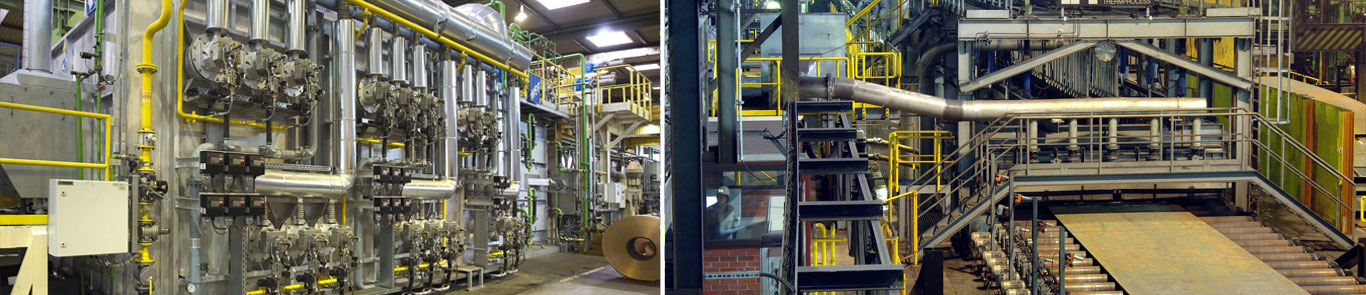
21–25 June 2027 at Messe Düsseldorf, Düsseldorf, Germany. THERMPROCESS is an international trade fair for industrial thermal-processing technology. Its scope includes industrial furnaces and heat-treatment plants, special-purpose systems, components and supplies, occupational safety, engineering, and forming systems for non-ferrous metals. As part of the Bright World of Metals fair quartet, it has a distinct focus on thermal processes and the equipment supporting them. Plant engineers, producers and technology suppliers can use the fair to compare approaches and discuss production requirements.
THERMPROCESS at a glance
| Item | Information |
|---|
| Event | THERMPROCESS |
| Full name | International Trade Fair for Thermprocess Technology |
| Edition | 2027 edition; ordinal number not verified |
| Type and category | International industrial trade fair; industrial equipment and machinery |
| Dates | 21–25 June 2027 |
| Visitor hours | Daily, 10:00–18:00 |
| City and venue | Düsseldorf, Germany; Messe Düsseldorf |
| Organiser | Messe Düsseldorf GmbH |
| Main sectors | Furnaces, heat treatment, special systems, components, safety, engineering, non-ferrous forming |
| Latest published scale | 2023: 276 exhibitors, 63,300 visitors and 8,408 m²; organiser-reported |
The 2023 figures are the latest published statistics located and are not forecasts for 2027. The next edition’s dates and visitor hours are confirmed.
Why THERMPROCESS matters
Evaluate thermal-process technology
Heating and heat treatment affect material properties, process consistency and energy use. Technical teams can relate equipment and engineering approaches to their own materials, throughput, quality targets and operating constraints.
Connect equipment with industrial transformation
The official 2027 focus themes include decarbonisation, energy efficiency, smart factories, artificial intelligence, circularity and technology innovation. These themes offer a lens for questions about plant priorities; they do not confirm a specific product or session.
Compare across a specialised supply chain
The fair covers complete systems as well as components, controls, safety, consulting and engineering. Buyers can map project needs before narrowing suppliers or preparing specifications.
Published scale
- 276 exhibitors in 2023, organiser-reported.
- 63,300 visitors in 2023, organiser-reported.
- 8,408 m² in 2023, organiser-reported.
These figures describe the 2023 edition, not the expected 2027 attendance.
Thermal-processing sectors and product groups at THERMPROCESS
Industrial furnaces and heat-treatment plants
Explore furnace and heat-treatment plant concepts, heating and temperature-control approaches, and how equipment design relates to process requirements. Compare material compatibility, throughput, atmosphere, controls and service against a defined application.
Special-purpose thermal systems
Special systems address specific process tasks. The product scope includes cooling, quenching, heat transfer, purification and laboratory-scale thermal equipment. Clarify material, process sequence, operating environment and required result before comparing options.
Components, controls and operating supplies
Thermal plants rely on compatible supporting equipment. Areas to examine include fittings, heating components, measurement and control, automation, gas-generation equipment, pumps and fans, and refractory or insulating materials. Confirm compatibility and documentation for the plant concerned.
Occupational safety and ergonomics
This category focuses on safe operation, access and work practices around thermal processes. Plant teams can assess how safety equipment and ergonomic considerations fit their layout, maintenance tasks and operator routines.
Consulting, design and engineering
Planning and engineering connect equipment choices to a facility or process change. Prepare questions about integration, installation constraints, commissioning, maintenance and technical support.
Forming systems for non-ferrous metals
The fair also identifies forming systems for non-ferrous metals. Producers can assess material handling, process fit, temperature requirements and downstream integration against a defined production task.
Who should visit THERMPROCESS Düsseldorf?
Furnace builders and thermal-equipment manufacturers
Useful for companies seeking components and controls, engineering partners, customer applications or ways to explain process and efficiency features. Prepare target applications and operating parameters. Relevant roles include product managers, sales engineers, applications engineers and service leads.
Metal producers, foundries and non-ferrous metal manufacturers
Useful for teams evaluating furnaces, heat-treatment systems, process equipment, measurement, controls or plant modernisation. Bring material, capacity, quality targets and constraints. Relevant roles include production and plant managers, metallurgists, process engineers and technical buyers.
Plant engineers, operations teams and technical procurement
Useful when shortlisting suppliers for an upgrade or replacement and assessing integration, safety, maintenance or engineering support. Compare options against common criteria. Relevant roles include plant engineers, maintenance managers, operations leads and procurement specialists.
Why visit THERMPROCESS?
- Build a supplier shortlist: match equipment and engineering providers to a specific application.
- Compare alternatives: assess furnace and heat-treatment approaches against materials, throughput, operating conditions and integration.
- Investigate an upgrade: consider controls, measurement, components, refractory materials and service alongside the main system.
- Review efficiency priorities: use the official energy-efficiency and decarbonisation themes to frame questions about process data.
- Explore digital production: relate smart-factory and AI themes to monitoring and plant operations without assuming a solution is suitable.
- Assess non-ferrous forming: include the fair’s stated forming-system segment in sourcing research.
Why exhibit at THERMPROCESS?
The fair is relevant to manufacturers and providers of furnaces, heat-treatment and special systems, components, controls, engineering, safety and non-ferrous forming equipment. Organiser statistics report 276 exhibitors and 63,300 visitors in 2023; those figures are historical, not a 2027 forecast.
Exhibitors may present product capabilities, discuss applications with industrial users and explore engineering or distribution relationships. A technically specific case is more useful than a broad efficiency claim: explain operating conditions, material range, service assumptions and the basis for performance data. Define target buyer roles, stand needs and follow-up capacity before participating. For iron and steel supply chains, EU CBAM obligations apply to covered imports, but this does not establish demand for a particular equipment supplier.
How to prepare before THERMPROCESS
1. Write a project brief
Record the process to improve, replace or specify; materials, production route, capacity, quality requirements, operating conditions, utilities and site constraints.
2. Build a focused supplier list
Use the organiser’s exhibitor and product search, which the official site identifies as live for 2027. Group companies by installations, special systems, components and controls, engineering, safety or non-ferrous forming; confirm current listings before travelling.
3. Prioritise discussions
Mark companies A — essential, B — useful alternatives or technical partners, and C — exploratory. Leave time to compare and follow up.
4. Prepare technical questions
- Which materials and process conditions are supported?
- What capacity, cycle and throughput assumptions apply?
- Which temperature, atmosphere or treatment ranges can be configured?
- How are process variables measured, controlled and recorded?
- What utilities, interfaces and space are needed?
- Which components or refractory materials require replacement?
- What commissioning, training and maintenance support is offered?
- How do safety features fit normal operation and service access?
- What performance data are measured, and under which conditions?
5. Keep a useful evidence trail
Use a consistent note: Company → product → application fit → evidence requested → contact → next action. Avoid sharing sensitive plant information without an agreed channel.
How to use the exhibition effectively
Connect each system to a project need. Record application, assumptions, documents to request, integration issues and follow-up owner. Distinguish measured data from illustrative examples, and note the material, cycle and plant conditions behind any performance figure. Compare complete-system capability with controls, measurement, refractory or insulation, maintenance and engineering. For components, capture interfaces and compatibility rather than assessing a part in isolation.
THERMPROCESS visitor profile and business opportunities
| Visitor profile | Main interests |
|---|
| Furnace and thermal-equipment builders | Components, controls, engineering and specialist systems |
| Iron and steel producers | Furnaces, heat treatment, measurement and process efficiency |
| Non-ferrous metal producers | Thermal systems and forming equipment |
| Foundries | Process equipment and heat-treatment options |
| Plant engineers and operators | Integration, controls, safety, maintenance and service |
| Technical buyers | Supplier comparison, specifications and project follow-up |
Use these role-based interests to prioritise the parts of the fair that match your project; not every product group will be equally relevant to every visitor.
How many days should you plan for THERMPROCESS?
A focused visit
A targeted visit can suit a team with a defined shortlist and a small number of technical questions. Prioritise essential discussions, reserve time for alternatives and log outstanding information.
Time for a wider project
Allow more time if you need to compare complete installations, special systems, components and engineering or if several colleagues have distinct responsibilities. The 2027 hall allocation is still to follow on the organiser’s facts page.
After THERMPROCESS: turn conversations into decisions
Sort contacts into A — immediate project relevance, B — potential future fit and C — market or technology intelligence. Request specifications, operating assumptions, integration requirements, service scope and next-step timing. Compare responses against common criteria, flag missing evidence and assign follow-up owners across engineering, operations, procurement and safety.
THERMPROCESS visitor checklist
Before the fair
- ☐ Define the process or sourcing decision.
- ☐ Prepare a technical brief and priority-company list.
- ☐ Check registration, exhibitor information and travel requirements with the organiser.
- ☐ Prepare comparable questions on process conditions, controls and service.
During the fair
- ☐ Record application fit and required evidence.
- ☐ Distinguish measured results from general claims.
- ☐ Capture contacts and a clear next action.
After the fair
- ☐ Request missing specifications and documents.
- ☐ Compare shortlisted suppliers against the same criteria.
- ☐ Assign follow-up owners and dates.
Is THERMPROCESS worth visiting?
THERMPROCESS is most relevant to organisations that design, supply, buy or operate industrial thermal-process technology, including furnace and heat-treatment systems, components, controls, engineering and non-ferrous forming equipment. It can be valuable when you have an application, supplier question or plant project to evaluate. A clear brief helps turn a large specialist exhibition into focused comparisons and actionable follow-up.
Make your THERMPROCESS visit purposeful
What process decision do you want to clarify through direct comparison and technical discussion? Define it before you arrive, then use the fair to discover, compare, meet and decide.
Industrial thermal-processing opportunities in Germany
Market context and indicator
Destatis reports wholesale prices for iron, steel and ferrous semi-finished metal products were 8.2% higher in June 2026 than in June 2025. This is a price change, not total market size, equipment demand or profitability; it offers cost context for metal supply chains using thermal-processing equipment.
Drivers and areas to investigate
The EU Carbon Border Adjustment Mechanism entered its definitive regime on 1 January 2026 for covered imports, including iron and steel. This makes embedded-emissions information relevant in those supply chains. The price indicator does not prove demand for equipment.
- Furnace and process evaluation: producers may compare energy and operating requirements against available equipment; fit depends on site economics and technical needs.
- Measurement and process data: producers and importers may examine how relevant production and emissions data are measured. Duties depend on the goods and company role.
- Automation and modernisation: plant operators may assess controls and monitoring against defined production constraints; the indicator does not prove a supply gap or return.
Market-entry conditions
The European Commission says the definitive CBAM regime applies from 1 January 2026 and includes authorisation, reporting and certificate obligations for covered imports based on embedded emissions. Requirements depend on goods and company role; this is not a general certification rule for all thermal-process equipment.
What this may mean for exhibitors
Suppliers may discuss customers’ process and data needs and explain equipment assumptions and measurement capabilities. Equipment alone does not ensure regulatory compliance or guarantee demand.
What this may mean for visitors
Metal producers and technical buyers could compare technologies against energy, quality and operating requirements. Importers may ask about relevant data while confirming their own CBAM duties separately.
Explore Event Opportunities
Use THERMPROCESS to identify thermal-process technologies, compare suppliers and develop a focused participation plan with professional support from ilikevents.
Get Expert Assistance from ilikevents to plan your visit or exhibition participation.
See the ilikevents services for this event
For further information, please click
here .