Metal-Expo 2026: event guide
Metal-Expo is the 32nd International Industrial Exhibition for the metals and metallurgy supply chain. It takes place from 10 to 13 November 2026 at the ExpoForum Convention and Exhibition Centre, St Petersburg, Russia. The exhibition covers ferrous and non-ferrous metal products, pipes, metal structures, metallurgical machinery and technologies for production and processing. Metal-Expo is relevant both to people sourcing metal products and to technical teams evaluating industrial equipment, production processes and supplier capabilities.
The organiser's access information lists opening hours of 10:00–18:00 from 10 to 12 November and 10:00–16:00 on 13 November. The 2026 edition is the 32nd, and the organiser's website provides visitor registration, an exhibitor list and a programme section. Check those official materials before fixing appointments or priorities.
Why Metal-Expo matters to the metals industry
Review the supply chain in one visit
The exhibition's subject matter spans raw materials, primary and finished metal products, pipes, metal structures, production equipment and processing technologies. This breadth can help purchasers connect material choices with the machinery, processing stages and downstream applications that affect delivery and product requirements.
Compare products and technical approaches
Metal buyers can use conversations with producers and suppliers to clarify grades, formats, dimensions, processing options and supply terms. Engineers and production managers can focus on machine capabilities, integration, automation and service questions rather than treating a product display as a complete technical assessment.
Put market discussions in context
The 2025 edition brought together more than 800 companies and over 25,000 specialist visitors, according to the organiser. The exhibition occupied more than 40,000 m². These are reported figures for the previous edition, not a guarantee of the 2026 scale. The 2025 business programme included more than 35 conferences, seminars and round tables on metallurgical industry topics.
Who should visit Metal-Expo?
Metal buyers, procurement teams and traders
Use the exhibition to compare materials and suppliers against live purchasing needs. Prepare a shortlist by product type and specification, then clarify availability, quality documentation, processing options and commercial terms directly with relevant companies.
- Compare steel, non-ferrous metals, pipes and metal products against current requirements.
- Ask suppliers to identify the grades, dimensions and tolerances they can provide.
- Record delivery, documentation and follow-up questions for each potential source.
- Separate immediate sourcing needs from longer-term market monitoring.
The organiser identifies metal trading and steel-consuming sectors among the event's visitor base; the 2025 press release reported visitors from construction, mechanical engineering, fuel and energy, transport, logistics and metal trading.
Engineers and production managers
Technical visitors can focus on equipment and production solutions that relate to a defined plant challenge: throughput, process control, material handling, quality testing, automation or maintenance. Bring relevant operating conditions and technical questions, and distinguish a product demonstration from evidence that a solution will fit a particular line.
- Review metallurgical machinery, production equipment and process technologies.
- Ask how a machine handles your materials, operating range and production constraints.
- Compare control, measurement, testing and automation approaches.
- Capture installation, integration, service and spare-parts questions for follow-up.
The 2025 edition included presentations of equipment, robotics and machinery for steel production, according to the organiser's final release.
Manufacturers, distributors and industrial suppliers
Suppliers can use the show to explain product fit to metal producers and downstream users, assess distributor or technical-partner interest, and learn which specifications customers prioritise. A useful visit or stand plan starts with a defined product range and target application rather than a general networking objective.
- Identify the applications and customer segments each product serves.
- Prepare technical documentation and concise answers to specification questions.
- Discuss routes to supply, after-sales support and local requirements without assuming a commercial outcome.
- Record each conversation's agreed next step and responsible contact.
What can you find at Metal-Expo?
Ferrous metals, steel and specialist alloys
- Steel products, including billets, long and flat rolled products and pipes.
- Special steels and alloys.
- Metal structures and fabricated metal products.
- Metal fasteners and related products.
- Raw materials and materials used in metallurgical production.
Non-ferrous metals and aluminium
- Non-ferrous raw materials and primary metal products.
- Aluminium and other non-ferrous semi-finished and finished products.
- Products and technologies for metal processing and manufacturing.
Pipes and processing
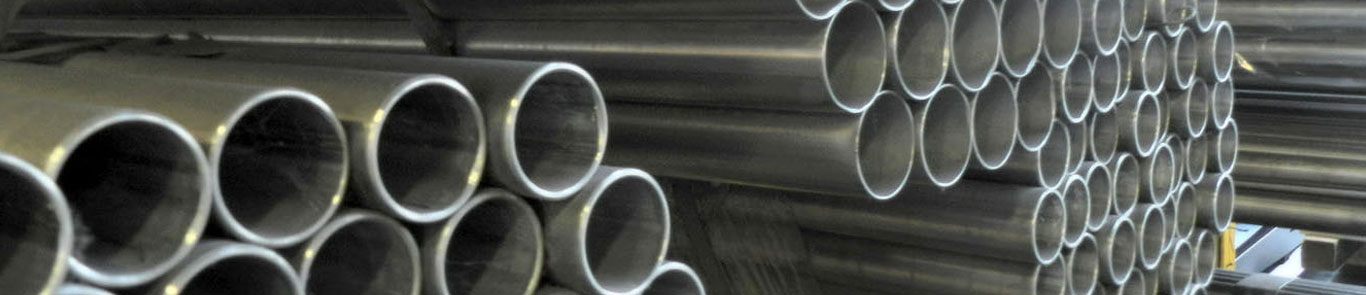
- Pipes and tube products, accessories and associated production solutions.
- Sheet and section processing, including cutting, profiling, bending and welding.
- Equipment and technologies for metal fabrication and finishing.
Metallurgical machinery and production technology
- Equipment for metallurgical production and rolling.
- Foundry, thermal-process and metalworking technologies.
- Automation, robotics, measurement, testing and process control.
- Plant engineering, industrial services and related production support.
These categories follow the organiser's published exhibition themes and 2025 event reporting. Confirm the current exhibitor list for the companies and products scheduled for the 2026 edition.
What makes Metal-Expo distinctive?
It combines metal products, the equipment that makes and processes them, and the industrial users that specify them. The organiser's 2025 release describes participation by ferrous and non-ferrous metallurgy companies, mechanical engineering businesses and makers of metal structures and fabricated products. It also reports more than 35 conferences, seminars and round tables, alongside equipment and technology presentations. These are examples from 2025; review the current programme for 2026 sessions and participants rather than assuming last year's agenda will recur.
What should you try to achieve at Metal-Expo?
If you are sourcing metal products
Set a measurable target such as: Compare three qualified sources for the material and specification on my current purchasing list. Note each supplier's confirmed range, documents to request, delivery questions and next action.
If you are evaluating machinery or production technology
Set a target such as: Identify two approaches that could address a specific process or quality constraint. Bring the operating conditions and technical requirements needed for a meaningful first discussion.
If you are exhibiting or developing distribution
Set a target such as: Test the fit of one product group with defined customer applications and identify the technical questions that need follow-up. Treat interest as a lead for validation, not as a forecast of a sale.
How to prepare before Metal-Expo
1. Define the decision you need to make
Write down whether you are sourcing material, comparing suppliers, reviewing equipment, monitoring the market or developing a distribution relationship. A specific goal helps you choose which halls, companies and programme items deserve time.
2. Use the current exhibitor list
The organiser provides an online exhibitor list for the 2026 edition. Search it by product group and company, then create a short target list. Mark each company as essential, useful or optional and note what you need to verify in person.
3. Prepare technical and commercial questions
- Which grades, alloys, dimensions and product forms are available?
- What tolerances, standards and quality documents apply to the product?
- What production capacity and order profiles can the supplier discuss?
- What finishing, cutting, forming or fabrication services are offered?
- For equipment: which materials, speeds and operating conditions are supported?
- What automation, control, testing or measurement functions are included?
- What installation, commissioning, training and maintenance support is available?
- Which spare parts and service arrangements should be considered?
- What are the minimum order, packaging, delivery and payment terms?
- Which technical documents or samples should be exchanged after the meeting?
4. Review the programme and access details
Check the organiser's programme section for current sessions and the official visitor page for registration and access information. The final exhibition day has shorter published hours than the first three days, so plan meetings accordingly.
5. Prepare a record for each conversation
Use a consistent note: Company → product or process → fit with my requirement → evidence to request → contact → next action and date. This makes follow-up more useful than collecting brochures without a decision context.
How to make the most of the exhibition
Work from your target list, but leave room to compare alternatives in related product groups. At each stand, ask the same core questions of suppliers offering comparable products. Record confirmed specifications separately from statements that need documentation or a later engineering review.
- Buyers can compare suppliers by product range, documents, quality controls and delivery conditions.
- Engineers can note equipment parameters, process compatibility and questions for plant-level assessment.
- Distributors can assess product fit, support expectations and the requirements for serving their customer base.
- Exhibitors can capture the application, decision role and follow-up requested in each serious conversation.
Use the organiser's current exhibitor list and floor plan to navigate; do not assume a previous-edition layout or company location remains current.
Plan your time realistically
Metal-Expo's 2025 edition occupied more than 40,000 m² across four ExpoForum pavilions, according to the organiser. That reported scale makes prioritisation worthwhile. Group target companies by product category or meeting location, schedule essential conversations first, and allow time to compare related suppliers rather than crossing the site repeatedly.
- Before arrival: mark essential companies and programme sessions in the current organiser materials.
- During the day: protect time for pre-arranged discussions, technical questions and written notes.
- At the end of each day: review open questions and send any promised document requests while conversations are fresh.
Beyond the exhibition floor
The 2025 business programme included more than 35 conferences, seminars and round tables addressing metallurgical industry issues. The organiser also reported industry discussions and presentations of equipment, robotics and steel-production machinery. These previous-edition examples show that the event can offer context beyond product displays, but they do not confirm the 2026 programme. Review the 2026 programme and select sessions that support a defined technical, procurement or market question.
Networking at Metal-Expo
Make each conversation specific. Introduce your role, the material or process you work with, the application or project, and the decision you are trying to make. For a supplier discussion, describe relevant grades, dimensions, volumes or equipment conditions when you can. For a technical conversation, agree which specifications or documents are needed to continue the evaluation.
- Ask who handles technical questions, sales terms and after-sales support.
- Confirm the preferred contact and what information each side will provide.
- Record the next step rather than relying on a business card alone.
Travelling to Metal-Expo
The organiser lists ExpoForum at Peterburgskoe Highway, 64/1, St Petersburg. Its visitor information says free shuttle buses are planned from Moskovskaya metro station every 30 minutes from 09:00 to 18:00 on exhibition days, with the stop near the Subway café at 197 Moskovsky Prospekt. It also lists public transport from Moskovskaya and Zvezdnaya metro stations and gives the venue address for drivers. Confirm the 2026 service details with the organiser before travelling, as transport arrangements can change.
One day or several days at Metal-Expo?
- One day: may suit visitors with a narrow sourcing list or a small set of pre-arranged meetings. Focus on essential companies and the most relevant programme items.
- Two days: can allow more time to compare products, revisit suppliers and attend sessions while keeping technical meetings manageable.
- Several days: may be useful for broader procurement, machinery evaluation or a programme spanning multiple topics. Build a daily plan and leave time to document findings.
Choose the length around your objectives and the current programme; the event's published final-day hours are shorter.
Metal-Expo is particularly valuable if you have a project
Bring enough detail to make conversations practical: product specifications, material grade, dimensions, tolerances, annual or project requirement, production conditions, applicable documentation and decision timetable. For machinery, prepare process parameters, current constraints and integration questions. You do not need to disclose sensitive information at a stand; share only what is appropriate and arrange a suitable follow-up for detailed engineering or commercial discussions.
After Metal-Expo: where the real value starts
Within a short time after the exhibition, sort contacts into three groups:
- A – Immediate requirement: request the specific quotation, technical file, quality certificate or equipment information needed for the active decision.
- B – Potential supplier or partner: ask for product range, service coverage, distribution terms or a technical meeting.
- C – Market intelligence: retain notes on materials, technologies and issues to monitor, without treating a conversation as a confirmed market trend.
Compare supplier statements against written specifications and your own qualification process. For machinery, involve the relevant engineering and maintenance teams before drawing conclusions about fit. For metal products, verify the grade, dimensions, documentation, delivery conditions and commercial terms before purchase decisions.
Who should consider exhibiting at Metal-Expo?
The organiser's published themes and 2025 reporting indicate a fit for companies involved in ferrous and non-ferrous metals, steel and pipe products, metal structures, fabricated products, metallurgical machinery, processing technology and related production services. Exhibitors should decide what business result they are seeking before committing resources.
- Present a defined product range and the applications it serves.
- Prepare technical information for engineers and purchasing teams.
- Identify the customer roles and industries most relevant to the offer.
- Set targets for qualified technical discussions, distribution research or product feedback.
- Plan how enquiries will be recorded, answered and followed up after the exhibition.
The organiser's 2025 release reported more than 800 participating companies, including around 400 international suppliers. These are 2025 figures; the 2026 edition's final participation totals are not yet established here.
Metal-Expo visitor checklist
Before
- ☐ Define the purchasing, technical or market question you need to address.
- ☐ Check visitor registration, exhibitor list, floor plan and current programme with the organiser.
- ☐ Identify essential companies and prepare comparable questions.
- ☐ Confirm transport arrangements and account for the shorter hours on 13 November.
- ☐ Prepare a note template and any non-confidential specifications relevant to your project.
During
- ☐ Compare suppliers using the same criteria where possible.
- ☐ Separate verified product information from claims that require documentation.
- ☐ Record contacts, product details, open questions and agreed next steps.
- ☐ Attend programme sessions that directly support your objectives.
After
- ☐ Send promised information requests and meeting follow-ups.
- ☐ Validate specifications, documents, service and delivery conditions.
- ☐ Share relevant findings with procurement, engineering or management colleagues.
- ☐ Record decisions and any further qualification work required.
Is Metal-Expo worth visiting?
Metal-Expo is most relevant to professionals who source metal products, work in metallurgy or metal processing, evaluate production equipment, or supply these industries. The reported scale of the 2025 edition and its combination of product categories, technical equipment and a business programme support a focused professional visit. Its value depends on preparation: visitors who arrive with defined specifications, target companies and follow-up questions are better placed to make useful comparisons than those who browse without a purpose.
Metal-Expo 2026 at a glance
| Item | Information |
|---|
| Event | Metal-Expo, 32nd International Industrial Exhibition |
| Dates | 10–13 November 2026 |
| City and country | St Petersburg, Russia |
| Venue | ExpoForum Convention and Exhibition Centre |
| Organiser | Metal-Expo organising committee; formal organiser entity not verified |
| Main industries | Ferrous and non-ferrous metals, steel products, pipes, metal structures, metallurgy and metalworking equipment |
| Main audiences | Metal buyers and traders, engineers, production managers, manufacturers, distributors and industrial suppliers |
| Latest published scale | In 2025, the organiser reported more than 800 participating companies, over 25,000 specialist visitors and more than 40,000 m² |
| 2026 programme | Check the organiser's current programme for the latest schedule |
| Opening hours | 10:00–18:00, 10–12 November; 10:00–16:00, 13 November, according to organiser information |
Make your Metal-Expo visit count
Choose a clear sourcing, engineering or market objective, use the organiser's current information to plan, and leave with documented comparisons and specific follow-up actions. Specify. Compare. Verify. Follow up.
Metallurgy opportunities in Russia
Market size and demand
World Steel Association's World Steel in Figures 2025 reports Russian crude steel production of 71.0 million tonnes in 2024. This is a national production indicator, not a measure of demand for a particular grade, pipe product, machine or imported technology. It does, however, provide scale for the domestic steel-producing base relevant to Metal-Expo's steel, pipe and metallurgical equipment categories.
Commercial implications
Manufacturers and technical suppliers may use the exhibition to investigate whether their products fit the requirements of steel producers, metal processors and downstream industries. Visitors may compare suppliers and equipment against specific production, quality or sourcing needs. The aggregate production figure does not establish a current investment pipeline, a supply gap or expected commercial success; companies should validate segment demand, competition, logistics and payment conditions independently.
Market-entry conditions
Current product-specific certification, import and market-access requirements were not verified in this research. Companies should confirm the rules that apply to their products and proposed transactions with qualified trade and compliance advisers before making commitments.
Discover St Petersburg
St Petersburg offers a historic urban setting beyond its industrial and business venues. The city tourism portal highlights central landmarks including the Hermitage Museum and the Peter and Paul Fortress; the Winter Palace is also among the city's principal historic sites. ExpoForum is at Peterburgskoe Highway, 64/1, within St Petersburg. Visitors with time beyond exhibition commitments can use the city's museums and historic sites to add a cultural dimension to a business trip, while checking current access arrangements directly with each attraction.
The Hermitage Museum
A major museum complex associated with the Winter Palace and the city's imperial history, suitable for visitors interested in art, architecture and collections.
Peter and Paul Fortress
A historic fortress complex on the Neva, identified by the city tourism portal among St Petersburg's visitor landmarks.
Winter Palace
The former imperial palace and a defining element of the city's historic centre, also connected with the Hermitage museum complex.
For further information, please click
here .