KIOGE Astana 2027
1–3 September 2027 | EXPO International Exhibition Center, Astana, Kazakhstan
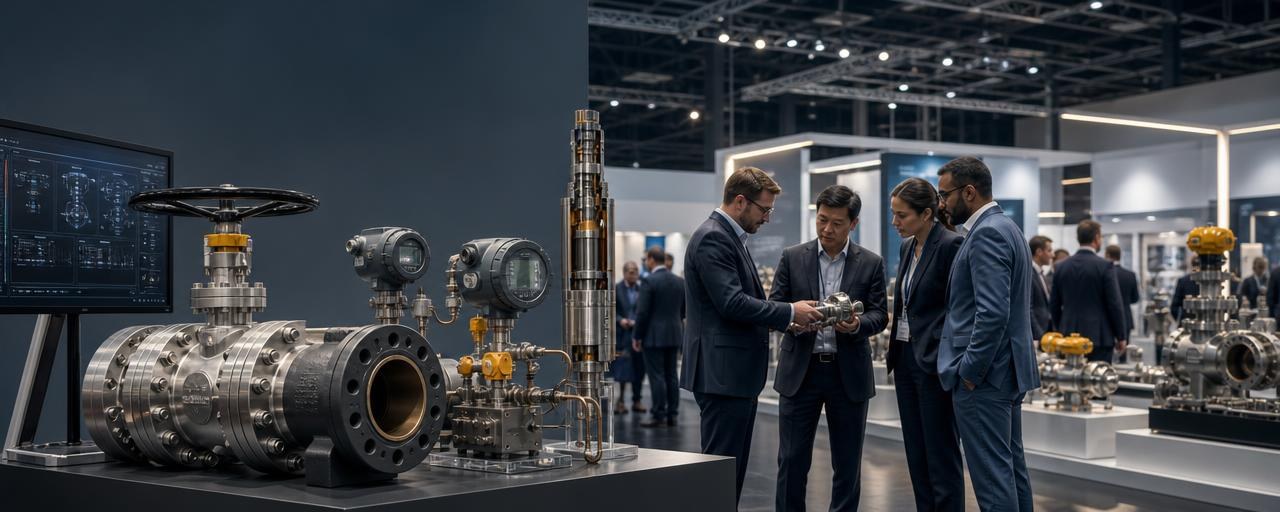
KIOGE is the Kazakhstan International Oil & Gas Exhibition and Conference. Its 31st edition brings together the oil and gas value chain across exploration, drilling, production, oilfield services, pipelines, transportation, processing, refining, petrochemicals, engineering and industrial technology. For operators, project teams, procurement specialists and suppliers, the value is in examining equipment and services side by side, discussing technical fit and following the issues shaping the sector.
KIOGE Astana 2027 at a glance
| Item | Information |
|---|
| Event | KIOGE Astana |
| Official event name | 31st Kazakhstan International Oil & Gas Exhibition and Conference |
| Edition | 31st |
| Type and category | Business event; oil and gas and petrochemicals |
| Dates | 1–3 September 2027 |
| City and country | Astana, Kazakhstan |
| Venue | EXPO International Exhibition Center, 53/1 Mangilik El Avenue |
| Organisers | Iteca and ICA Events |
| Main sectors | Exploration, drilling, production, oilfield services, pipelines, transportation, refining, petrochemicals, engineering, automation and instrumentation |
| Main audiences | Oil and gas operators, procurement and engineering teams, service companies, equipment and technology suppliers, industry specialists |
| Latest published scale | 2026: organiser-reported 6,567 unique visitors and 501 companies; 187 Kazakhstan-based and 314 international exhibitors |
The dates and venue for 2027 are published. The figures above describe the 2026 edition; the current edition’s visitor hours and detailed programme should be confirmed with the organiser as they are released.
Why KIOGE matters to the oil and gas industry
See technologies across the asset lifecycle
KIOGE’s sector list covers the path from geoscience, drilling and well completion to production operations, oilfield services, pipeline systems, refineries, petrochemical and gas plants. This range can help technical teams compare adjacent parts of a project rather than assess a single equipment category in isolation.
Compare suppliers and technical approaches
Equipment manufacturers, service companies and technology providers participate alongside oil companies and industry organisations. Buyers can use that mix to frame questions about specifications, operating conditions, maintenance, integration and service support before shortlisting options.
Connect exhibition discussions with industry issues
The 2026 conference covered upstream technology, export logistics, equipment manufacturing, gas and gas chemicals, digital transformation, investment and energy transition. These were previous-edition topics, not a confirmed programme for 2027.
Recent organiser-reported scale
- 6,567 unique visitors attended KIOGE 2026.
- 501 companies exhibited in 2026: 187 from Kazakhstan and 314 international.
- Representatives from 58 countries were recorded by the organiser.
- The 2026 conference brought together 620 delegates and 88 speakers across 13 business events.
- More than 280 B2B and G2B meetings were reported for the 2026 event.
These are organiser-reported 2026 figures, not guarantees of the scale or outcomes of the 2027 edition. They show the recent breadth of the professional community and international participation.
Exhibition sectors and product groups at KIOGE Astana
Exploration, geosciences and reservoir engineering
- Geoscience and subsurface data services
- Seismic acquisition and interpretation solutions
- Reservoir characterisation and modelling
- Exploration planning and evaluation tools
- Technical consulting for subsurface projects
Drilling and well completion
- Drilling equipment and well-construction systems
- Well-completion tools and components
- Drilling fluids and associated services
- Well-integrity and downhole technologies
- Inspection and technical diagnostics
Production operations and oilfield services
- Production equipment and operating systems
- Artificial-lift and well-intervention solutions
- Field maintenance and asset services
- Integrated oil and gas services
- Production monitoring and operational support
Pipelines, transportation and marine services
- Pipeline construction and components
- Pipeline inspection, maintenance and repair
- Oil and gas transportation systems
- Valves, fittings and flow-control equipment
- Marine equipment and services for energy operations
Refineries, petrochemicals and gas plants
- Refinery and gas-processing equipment
- Petrochemical plant systems and components
- Process equipment and production services
- Instrumentation for process monitoring
- Engineering and plant-facility solutions
Automation, controls and industrial technology
- Automation and process-control equipment
- Valves, controls and instrumentation
- Electronic equipment and industrial services
- Telecommunications and industrial IT
- Digital tools for extraction and operating processes
Engineering, integrity and HSE
- Engineering, facilities and construction services
- Corrosion-protection systems
- Insulation equipment and materials
- Health, safety and environmental solutions
- Non-destructive testing and technical diagnostics
These groups organise the official exhibition categories into practical sourcing areas. They describe the event’s sectors, not a confirmed list of specific exhibitors or products for 2027.
Who should visit KIOGE Astana?
Oil and gas operators and project owners
Useful if your organisation manages exploration, drilling, production, processing or transportation assets and needs to evaluate equipment and service options across several project stages.
- Compare technical approaches for operating assets and planned projects
- Discuss maintenance, reliability and integration requirements with suppliers
- Review developments in upstream systems, pipelines and processing
- Assess how automation, instrumentation and digital tools fit existing operations
Procurement teams and technical buyers
Useful if you source equipment or services for oilfield, pipeline, refinery or gas-plant operations. A structured comparison helps separate products that fit the specification from those that need further technical or commercial review.
- Shortlist manufacturers and service providers by product group
- Compare equipment specifications, operating limits and support requirements
- Ask about spare parts, maintenance, delivery and local service capacity
- Record follow-up requirements for each supplier discussion
Engineering, construction and oilfield-service professionals
Useful if you design, build, maintain or support energy facilities. The event’s categories cover engineering, geosciences, drilling, production operations, pipelines, instrumentation and HSE.
- Review solutions relevant to project design and facility construction
- Identify specialist services for inspection, diagnostics and field work
- Discuss system compatibility and technical interfaces
- Compare integrity, corrosion-control and safety approaches
Equipment manufacturers, technology suppliers and industry organisations
Useful if you want to present products or expertise to an audience that includes oil companies, service firms, technical specialists and procurement stakeholders. The 2026 edition’s international participation offers context, not a promise of a particular buyer or meeting in 2027.
- Explain product capabilities against clearly defined operating needs
- Explore distributor, service and manufacturing relationships
- Meet industry peers and discuss technical or commercial cooperation
- Use conference and exhibition themes to understand issues drawing attention
Relevant roles include procurement and supply-chain managers, drilling and production engineers, project and facility managers, maintenance specialists, geoscientists, HSE professionals, automation and instrumentation engineers, oilfield-service managers, business-development teams and senior company representatives.
Why visit KIOGE Astana?
- Build a focused supplier shortlist. Group exhibitors by the equipment or service your project requires, then compare technical scope and support conditions.
- Evaluate solutions across connected project stages. Look at drilling, production, pipelines and processing together when the interfaces affect project performance.
- Test technical fit. Bring operating conditions, specifications and constraints so discussions can move beyond general product introductions.
- Explore service and maintenance options. Compare the scope of field services, inspection, diagnostics and ongoing operational support.
- Follow technology and policy discussions. Use the published 2027 conference programme when available to select sessions relevant to your work.
- Investigate Kazakhstan market requirements. Treat the exhibition as an opportunity to identify questions about procurement, distribution and local support, then verify current conditions independently.
- Turn conversations into next steps. Record contacts, product details, documentation requested and a clear follow-up action after each meeting.
Why exhibit at KIOGE Astana?
Exhibitors may use KIOGE to present oil and gas equipment, engineering services and technology to professionals from operating companies, service providers, technical organisations and government bodies. The event’s official sector list spans upstream, production, pipelines, processing, instrumentation and industrial services, so exhibitors should define precisely which technical problem their stand addresses.
- Present products and services in the context of the oil and gas asset lifecycle.
- Discuss technical requirements with potential users and industry specialists.
- Explore distributor, service, manufacturing or project relationships.
- Use the event’s conference themes to prepare relevant technical material and questions.
- Review the official exhibitor participation options and organiser coordination process before committing.
Before exhibiting, validate likely customer segments, procurement processes, local servicing needs, import and conformity requirements, payment arrangements and any local-partner expectations. The market indicators below are context for investigation, not evidence of guaranteed demand or event-generated sales.
What makes KIOGE Astana distinctive?
KIOGE combines an oil and gas exhibition with an industry conference and associated professional sessions. Its published sectors bring equipment, engineering, services and technology together, while the 2026 programme connected technical themes such as upstream operations and equipment manufacturing with export logistics, digital transformation, gas processing, investment and energy transition.
In 2026, the organiser reported 501 exhibiting companies and more than 280 B2B and G2B meetings. Those figures describe that edition. The official site presents 2027 as the 31st Kazakhstan International Oil & Gas Exhibition and Conference in Astana; the 2026 edition was held in Almaty. The city and venue therefore differ from the previous edition.
How to prepare before KIOGE Astana
1. Define the project question
Write down the operational or investment decision you need to support: a new well, a production bottleneck, pipeline integrity, plant upgrade, instrumentation replacement or a service requirement. List the conditions that a viable solution must meet.
2. Build a target-company list
Use the organiser’s exhibitor information when the 2027 directory is released. Sort potential exhibitors by category—equipment, services, automation, pipelines, processing or engineering—and separate essential meetings from companies to explore if time allows.
3. Prepare technical questions
- Which operating conditions, pressures, temperatures or fluid characteristics does the solution support?
- What standards, certifications, test records or technical documentation can be supplied?
- How does the equipment integrate with installed systems and control platforms?
- What inspection, maintenance and spare-parts support is available?
- What commissioning, training or field-service capability is provided?
- What are the expected delivery lead times and commercial conditions?
- For digital tools, what data, cybersecurity and system interfaces are required?
- For pipeline products, what inspection, corrosion-control and repair applications are covered?
4. Arrange meetings and travel carefully
Confirm the event’s current visitor registration route, opening hours, venue arrangements and travel requirements with the organiser before departure. For cross-border participation, check entry requirements for your nationality and plan transport and accommodation in advance. ilikevents can assist with visit planning, registration, travel arrangements and business meeting coordination.
5. Prepare a concise company introduction
For supplier discussions, bring a short description of your assets, project stage, technical constraints and decision process. For exhibitors, prepare product specifications, service coverage, references you are authorised to share and a clear explanation of local support options.
How to make the most of the exhibition
Use a simple record for each conversation: Company → Product or service → Technical fit → Evidence requested → Contact → Next action. For example, a pipeline-equipment discussion might record the product type, material and operating range, inspection documentation, repair support and the information needed for engineering review.
Keep comparisons consistent. Ask each supplier about the same core requirements, distinguish a preliminary discussion from a verified technical match and note any assumptions that need checking after the event. The official exhibition programme and floor plan should guide your schedule once the 2027 information is available.
Beyond the KIOGE Astana exhibition floor
The 2026 conference programme included a plenary on Kazakhstan’s role in new energy value chains; sessions on intelligent upstream operations, export logistics, low-carbon development and climate regulation, digital transformation, equipment manufacturing and petrochemicals; and a strategic session on gas and gas chemicals. The organiser reported 620 conference delegates, 88 speakers and 13 business events for that edition. These examples help visitors identify themes to look for, but they do not confirm the 2027 programme.
The 2026 exhibition also hosted more than eight professional sessions, seminars and presentations in its venue. Check the 2027 programme when the organiser publishes it, then prioritise sessions that connect directly to your projects or technical decisions.
KIOGE Astana visitor profile and business opportunities
| Visitor profile | Potential areas of interest |
|---|
| Oil and gas operators | Production systems, drilling, well completion, field services and asset support |
| Procurement and supply-chain teams | Equipment suppliers, technical specifications, delivery and service arrangements |
| Engineering and construction companies | Facilities, pipelines, project engineering, instrumentation and construction services |
| Maintenance and integrity professionals | Inspection, non-destructive testing, corrosion protection, repair and technical diagnostics |
| Refinery, petrochemical and gas-plant teams | Process equipment, automation, controls, instrumentation and plant services |
| Manufacturers and technology providers | Operator needs, local distribution or service discussions, manufacturing and technical cooperation |
| Industry experts and associations | Sector developments, policy discussion, technical exchange and professional relationships |
Use these interests to build a visit plan, not as a guarantee that a particular company or product will be present in 2027.
Practical information for international visitors
| Item | Verified information |
|---|
| City and country | Astana, Kazakhstan |
| Venue | EXPO International Exhibition Center |
| Street address | 53/1, Mangilik El Avenue, Astana, Kazakhstan |
| Event dates | 1–3 September 2027 |
| Visitor hours | The 2027 visitor schedule was not stated on the official pages reviewed; confirm before travelling. |
| Registration | The official event site provides a visitor e-invitation route; confirm the 2027 terms with the organiser. |
International participants should arrange travel, accommodation, transport and entry documents in good time. Requirements depend on nationality and itinerary; confirm them through the relevant official channels. ilikevents can help with travel planning, visa application assistance, airport transfers and local transportation.
One day or several days at KIOGE Astana?
One day
Can suit visitors with a narrow objective and a short list of priority suppliers or sessions. Plan the meetings first and reserve time to compare relevant stands.
Two days
May allow a technical visitor to combine supplier discussions with conference sessions and follow-up conversations, depending on the published programme.
All three days
May be useful for visitors comparing several product groups, attending multiple sessions or holding a broader set of meetings. Use the official 2027 floor plan and programme to set realistic priorities.
After KIOGE Astana: turn notes into decisions
Within a few days, sort contacts into immediate technical follow-up, potential supplier or partner discussions, and broader market intelligence. Send each contact the specifications or project context agreed during the conversation, request missing documentation and record the next decision date.
For equipment evaluation, compare total operating fit as well as purchase terms: compatibility, commissioning, maintenance, spare parts, technical support and delivery. For service or partnership discussions, confirm scope, responsibilities and local capability before moving to a formal proposal. A disciplined follow-up helps separate promising conversations from solutions that meet the actual project need.
KIOGE Astana visitor checklist
Before
- Set a project objective and define the technical questions.
- Check the organiser’s current registration route, 2027 programme, floor plan and opening hours.
- Prioritise target companies and request meetings where appropriate.
- Prepare specifications, project constraints and a concise company introduction.
- Confirm travel, accommodation and entry requirements.
During
- Record product specifications, evidence requested and next steps consistently.
- Compare equivalent solutions against the same operating requirements.
- Attend only the sessions relevant to your decision or market question.
- Keep meeting notes tied to a named contact and follow-up action.
After
- Request promised technical documents and clarify outstanding assumptions.
- Compare supplier proposals and service conditions against project requirements.
- Schedule internal reviews and follow-up discussions.
- Track potential partnerships separately from verified technical or commercial commitments.
Is KIOGE Astana worth visiting?
KIOGE is most relevant to professionals who work across oil and gas exploration, production, field services, transportation, processing, engineering or technology supply. Its broad sector coverage and conference format can support supplier comparisons, technical discussions and industry learning. The value depends on arriving with defined project questions and following up methodically; an unstructured walk through the exhibition is less likely to produce useful decisions.
Plan your KIOGE Astana opportunity
What equipment, service or industry insight do you need to take away from Astana that you cannot obtain through routine supplier searches? Define the answer, then build your meetings and programme around it. Specify. Compare. Discuss. Evaluate. Follow up.
Oil and gas opportunities in Kazakhstan
Market size and demand
Kazakhstan’s oil and gas sector generated KZT 24.1 trillion in gross value added in 2025, equal to 15.1% of national GDP, and recorded 8.9% real growth compared with 2024, according to the Bureau of National Statistics. This is a value-added measure of the sector’s contribution to the economy, not total oil and gas sales or addressable equipment spending.
- Oil and gas sector gross value added: KZT 24.1 trillion in 2025; 15.1% of GDP; +8.9% in real terms year on year.
- Crude-oil production index: 113.5% in 2025 compared with 2024, measuring change in production volume rather than market value.
- Natural-gas extraction index: 115.1% in 2025 compared with 2024, also a production index, not sales or demand.
- Selected subsurface-user imports: QazIndustry reported KZT 170 billion of hydrocarbon subsurface-user goods imports in 2021. The figure is historical and covers a defined operator reporting group, not all current oil-and-gas imports.
Market drivers and commercial opportunities
Official 2025 data show growth in oil and gas value added and in crude-oil and gas production indices. Separately, QazIndustry’s 2021 procurement analysis identified imports of electromechanical tools, electric-motor parts, pipes, instrumentation and control devices among major goods purchased by hydrocarbon subsurface users. These dated indicators suggest areas to investigate, not guaranteed demand.
- Instrumentation and controls: the 2021 report recorded KZT 8 billion in imports of instrumentation and control devices. Suppliers may assess fit for operator and plant requirements; the historical figure does not establish current demand.
- Pipe and pipeline systems: the same analysis reported KZT 7.8 billion in imported pipes of different diameters. Pipeline exhibitors and buyers may investigate specifications, integrity and service needs, while validating current procurement plans.
- Tools and rotating-equipment components: electromechanical tools were reported at KZT 17 billion and electric-motor parts at KZT 8.6 billion in 2021. Equipment suppliers may assess technical fit and local support expectations.
- Oilfield equipment manufacturing: KIOGE’s 2026 conference addressed equipment manufacturing, and its official post-show report noted a memorandum aimed at cooperation on localising oil and gas equipment production. This provides a reason to explore manufacturing or technical partnerships, not evidence that a particular opportunity remains open.
Market-entry considerations
The sources reviewed for this update did not establish current oil-and-gas-specific import, certification or procurement rules. Before pricing or committing to a project, companies should verify applicable conformity requirements, customs treatment, operator qualification processes, local-content expectations and contracting conditions with the relevant authorities and qualified local advisers. QazIndustry also reported that the top three operators accounted for 97% of the 2021 hydrocarbon subsurface-user goods imports in its dataset, an indicator of buyer concentration in that reporting scope rather than the entire market.
What this may mean for exhibitors
Equipment and service suppliers could use KIOGE to identify the operator, engineering or distribution relationships relevant to their product category, then test technical fit and local support requirements. Procurement concentration and the age of the available import breakdown make account selection and current validation especially important.
What this may mean for visitors
Buyers and technical teams may compare instruments, pipe systems, tools, motor components and oilfield services against specific operating needs. Use supplier discussions to clarify documentation, maintenance, compatibility and delivery; confirm the current commercial and regulatory conditions before treating a product as suitable.
Explore Event Opportunities
Explore how KIOGE Astana may fit your sourcing, technology, market-development or exhibiting objectives, and plan the next steps with ilikevents.
Get Expert Assistance from ilikevents to plan your visit or exhibition participation.
See the ilikevents services for this event
For further information, please click
here .